
Sudan Strengthens Ties with Saudi Arabia and Turkey Amid Regional Turmoil
Sudan is actively enhancing its diplomatic relationships with Saudi Arabia and Turkey, underscoring a strategic shift as the region faces growing security challenges. Recent high-level meetings reflect a commitment to solidifying alliances and addressing shared concerns in the Red Sea region.
High-Level Meetings and New Initiatives
On Monday, Sudan’s Foreign Minister Mohieldin Salem engaged in talks with Saudi Foreign Minister Faisal bin Farhan in Riyadh. They co-led discussions that resulted in the formation of a Saudi-Sudanese Coordination Council. This council aims to institutionalize cooperation between the two nations across various sectors. According to the Saudi Press Agency, both parties have committed to enhancing collaboration, indicating a robust partnership is developing.
Simultaneously, senior army commander Yasir Abdelrahman Hassan Elatta visited Ankara, where he met with Turkish Chief of General Staff Selcuk Bayraktaroglu and Defense Minister Yasar Guler. This visit is part of a series of diplomatic interactions between Ankara and Sudan’s military leadership, which include a previous meeting between Salem and Turkish Foreign Minister Hakan Fidan. These escalating interactions suggest a focused effort to build a solid military and diplomatic framework that could benefit both nations.
Military Support Amid Conflict
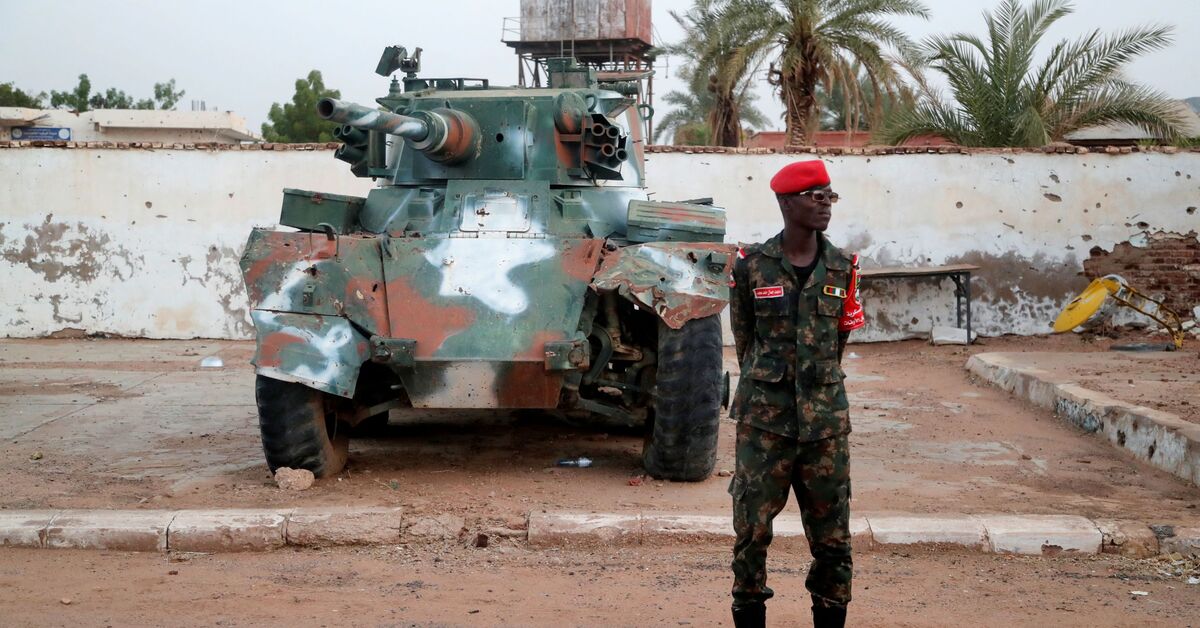
The backdrop of these diplomatic efforts is an ongoing conflict involving the Sudanese Armed Forces (SAF) and the paramilitary Rapid Support Forces (RSF), led by Mohamed Hamdan Dagalo, who is popularly known as Hemedti. Since April 2023, this conflict has exacerbated one of the world’s worst humanitarian crises, drawing international attention. Both Saudi Arabia and Turkey have amplified their support for the SAF and Sudan’s military government, emphasizing their vested interest in stabilizing the region.
Erdogan has publicly voiced his support for Sudan’s leadership, calling Burhan a deserving figure during a recent interview. As Sudan navigates this challenging landscape, external backing from influential countries like Turkey and Saudi Arabia can weigh significantly on its efforts to regain stability.
Security Concerns in the Red Sea
The increased collaboration between Sudan, Saudi Arabia, and Turkey comes at a pivotal moment when threats in the Red Sea are mounting. Reports of renewed attacks by Houthi forces have raised alarms about the safety of shipping routes, which are vital for Saudi energy exports. In response, Riyadh has proposed the establishment of a 14-nation maritime defense coalition, featuring Turkey and Sudan, aimed at protecting the Red Sea corridor and the Bab al-Mandeb Strait.
This coalition highlights the increasing realization that regional security requires collective action. With Sudan’s strategic coastline directly across from Saudi Arabia, its role in maritime security is becoming increasingly crucial for both its allies and itself.
Implications of the Sudanese Alliances
As Sudan fortifies its partnerships with Saudi Arabia and Turkey, the ramifications extend beyond mere diplomatic ties. These alliances are reflective of a more significant effort to unify military strategies and enhance regional security. While both countries align with Sudan’s military leadership, the United Arab Emirates has been accused of supporting the opposing RSF—a scenario that complicates the diplomatic landscape further.
The ongoing alignment of interests in the region suggests that Sudan could play a key role in shaping future security dynamics. Despite existing tensions and challenges, these new partnerships illuminate a pathway toward more robust regional cooperation, potentially stabilizing a volatile area in the months to come.