
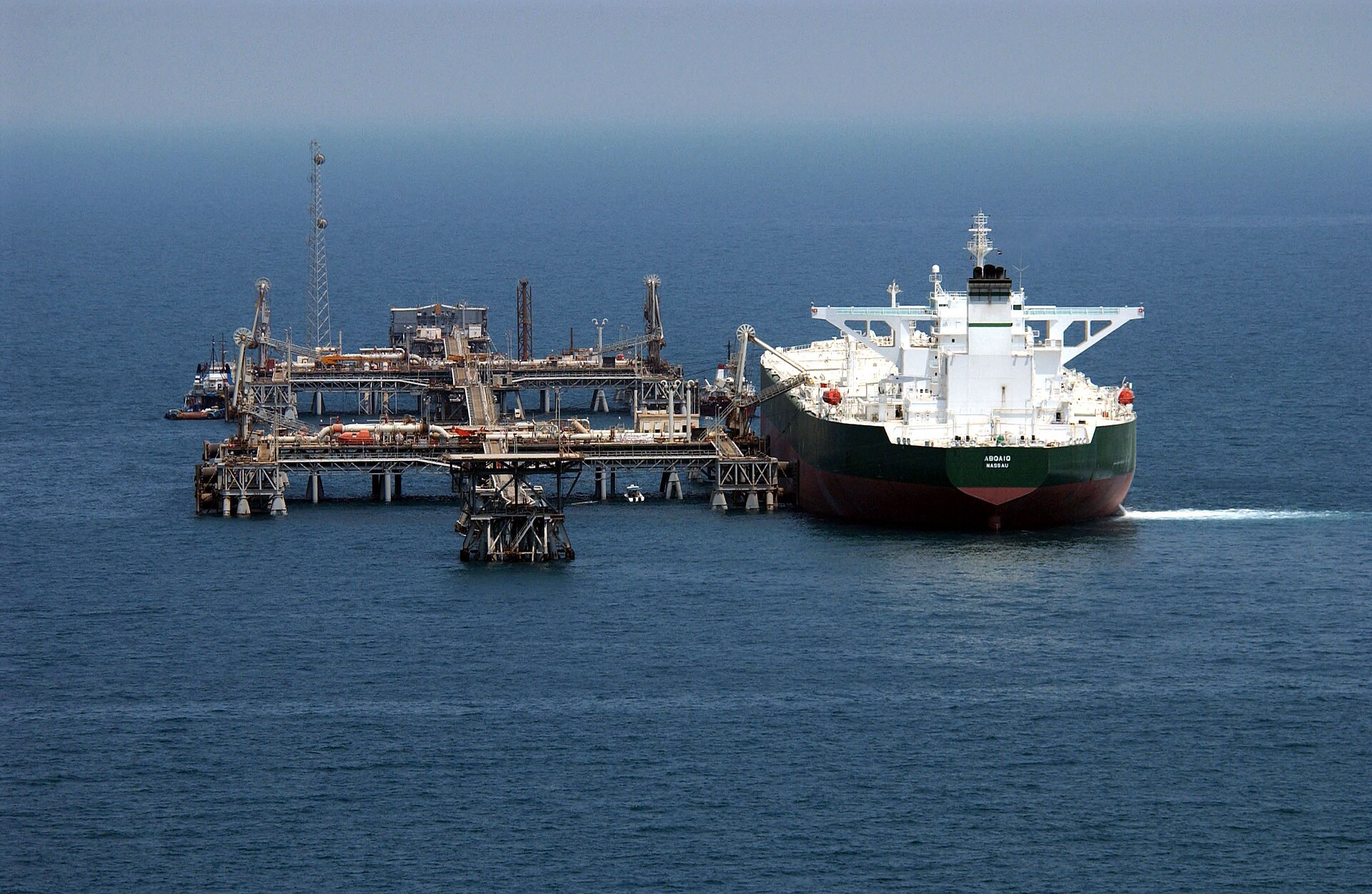
Saudi Arabia’s ongoing conflict and infrastructure damage have significantly impacted its financial outlook, resulting in a projected 2026 budget deficit of SAR 245 billion ($65.3 billion). This figure marks a 48% increase from earlier estimates, primarily driven by a decline in oil exports resulting from military actions and strategic blockades. Despite Brent crude prices hovering above $112 a barrel, the kingdom is unable to capitalize on these rates due to diminished export volumes, leading to a complex fiscal dilemma.
Impact of the Conflict on Oil Exports
The ongoing hostilities have wreaked havoc on Saudi Arabia’s oil export capabilities. Recent assessments indicate that the nation’s production has halved due to strategic maneuvers by Iranian forces and Houthi attacks. The operations in the Strait of Hormuz have seen tanker transits dwindle from an average of 85 per day to just 4, crippling Saudi Arabia’s export potential. This logistical crisis follows a historical precedent from the 1973 oil embargo, where Saudi Arabia leveraged its control over oil distribution to dictate global prices. In contrast, the current situation has flipped the dynamics, with adversarial forces deploying military tactics to disrupt Saudi oil flow, underlining the kingdom’s vulnerabilities.
Oil Revenue vs. Military Spending
The juxtaposition of high oil prices with a plummeting export volume has created an intricate problem for Saudi Arabia’s economy. While the kingdom received around $221 billion from oil doing brisk sales at $112 a barrel, the decreased export volume translates to challenges in sustaining overall revenue. Military expenditures have escalated, with recent reports indicating a 26% rise in defense spending year-on-year. This uptick is compounded by falling oil revenues, making it imperative for the government to reassess its budgetary strategies. The dilemma extends to critical sectors, where the ongoing disruptions have the potential to hinder future investments, and reconstruction expenditures may become necessary to restore damaged infrastructure.
Future of Saudi Arabia’s Vision 2030
Saudi Arabia’s Vision 2030 initiative aimed to diversify its economy and reduce its dependency on oil revenues, but the present conflict complicates this ambition. The Public Investment Fund (PIF), tasked with spearheading non-oil economic growth, now faces constraints due to the war’s financial toll. As the kingdom contemplates budget reallocation, mega-projects like NEOM have already witnessed delays and cutbacks. The lack of stable revenue jeopardizes the PIF’s capacity to fund future developments, placing the entirety of Vision 2030 at risk.
The Outlook Amidst Fiscal Constraints
Experts predict that the budget deficit may continue to escalate unless oil export conditions stabilize soon. Currently, public debt levels have risen, with forecasts suggesting that government liabilities may reach about 41.3% of GDP by the end of 2028. While there is no immediate risk of default, prolonged conflict could exacerbate the fiscal situation. Furthermore, a decrease in oil prices below the fiscal breakeven point may spur further borrowing or necessitate the drawdown of reserves, thereby amplifying concerns around long-term economic viability.
In conclusion, Saudi Arabia finds itself at a crossroads, with a pressing need to navigate both the immediacy of military expenditures and the aim of long-term economic stability. The outcomes of this conflict will likely dictate not only the kingdom’s budgetary health but also the foundation of its ambitious Vision 2030 initiative. As the global community watches, the hope for continuity and recovery remains closely tied to the restoration of stable oil export operations.