
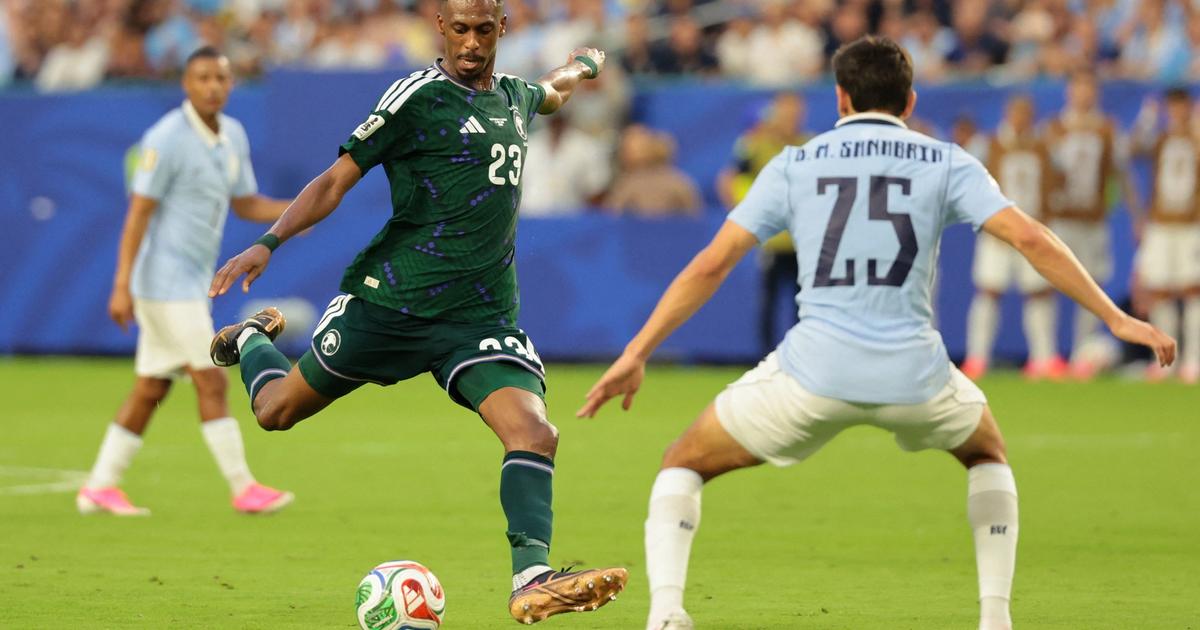
The 2026 World Cup has kicked off with a stunning performance from Mexico’s Julián Quiñones, who scored the first goal just nine minutes into the match at Estadio Azteca. While fans cheered, many were unaware that Quiñones plays club football in Saudi Arabia, where he dominated last season as the league’s top scorer with 33 goals—outpacing even Cristiano Ronaldo. His journey from Colombia to becoming a naturalized Mexican player mirrors Saudi Arabia’s ambitions in football.
Rising Ambitions of Saudi Football
Quiñones’ story is emblematic of the broader narrative that Saudi Arabia is trying to craft for itself on the international stage. As a player not just sponsored but connected to a club backed by Saudi wealth, he represents the ambitions of the nation. He plays for Al-Qadsiah FC, which is owned by Aramco, one of Saudi Arabia’s key enterprises. When Quiñones hit the back of the net, a company synonymous with the kingdom’s ambitions was also prominently involved, as Aramco serves as a FIFA sponsor.
Critics often label Saudi Arabia’s investments in sports as “sportswashing,” aimed at improving its reputation given its controversial human rights record. In a 2023 interview, Crown Prince Mohammed bin Salman dismissed such criticisms, emphasizing the economic goals behind these investments, which he sees as vital for GDP growth. Saudi Arabia is not merely looking to enhance its image; it aims to transform sports into a substantial economic sector capable of generating significant revenue, tourism, and private investment.
Financial Investments and Growth
Saudi Arabia has seen dramatic growth in sports-related revenues. The Public Investment Fund (PIF) committed over $6 billion in sponsorships and partnerships between 2021 and 2023. This included a remarkable $957 million spent on player transfers by Saudi Pro League clubs in the summer of 2023, setting a record for any league outside of Europe. High-profile players like Ronaldo and Benzema have joined the league, displaying its escalating ambition and global appeal.
Currently, the Saudi Pro League boasts an impressive roster of talent, highlighted by 47 players from 18 national teams competing in the 2026 World Cup—more than any league outside of Europe’s top tiers. This growing interest has led to attendance reaching approximately 2.5 million spectators for league games in the 2023-2024 season, signifying its expanding influence.
The Challenge of National Development
Despite its financial success and high-profile signings, Saudi Arabia’s national team still faces challenges. Ranked only 61st in global standings, it remains to be seen how the influx of foreign talent will impact its domestic competitive structure. As the Green Falcons aim to progress beyond the group stage, the gap between the league’s burgeoning commercial profile and the national team’s capabilities is evident. The narrative surrounding imported stars does not necessarily correlate with developing local talent, highlighting a fundamental tension in Saudi Arabia’s sports strategy.
The departure from club ownership by PIF, specifically the 70% sale of Al-Hilal, aims to shift the responsibility of club management to private investors, a move that reflects a longer-term vision. PIF intends to create self-sustaining entities capable of thriving in a competitive market without relying solely on government funding. With the 2034 World Cup on the horizon, this transition is critical for the nation’s sporting aspirations.
In summary, Quiñones’ achievement is not just a personal success but represents the complex narrative of Saudi Arabia’s journey in football. The nation has secured its place in the global football landscape, yet the road to competing at the elite level is long and challenging. The focus must now shift from merely attracting talent to fostering homegrown potential, which will define the future of Saudi football in the years to come.