
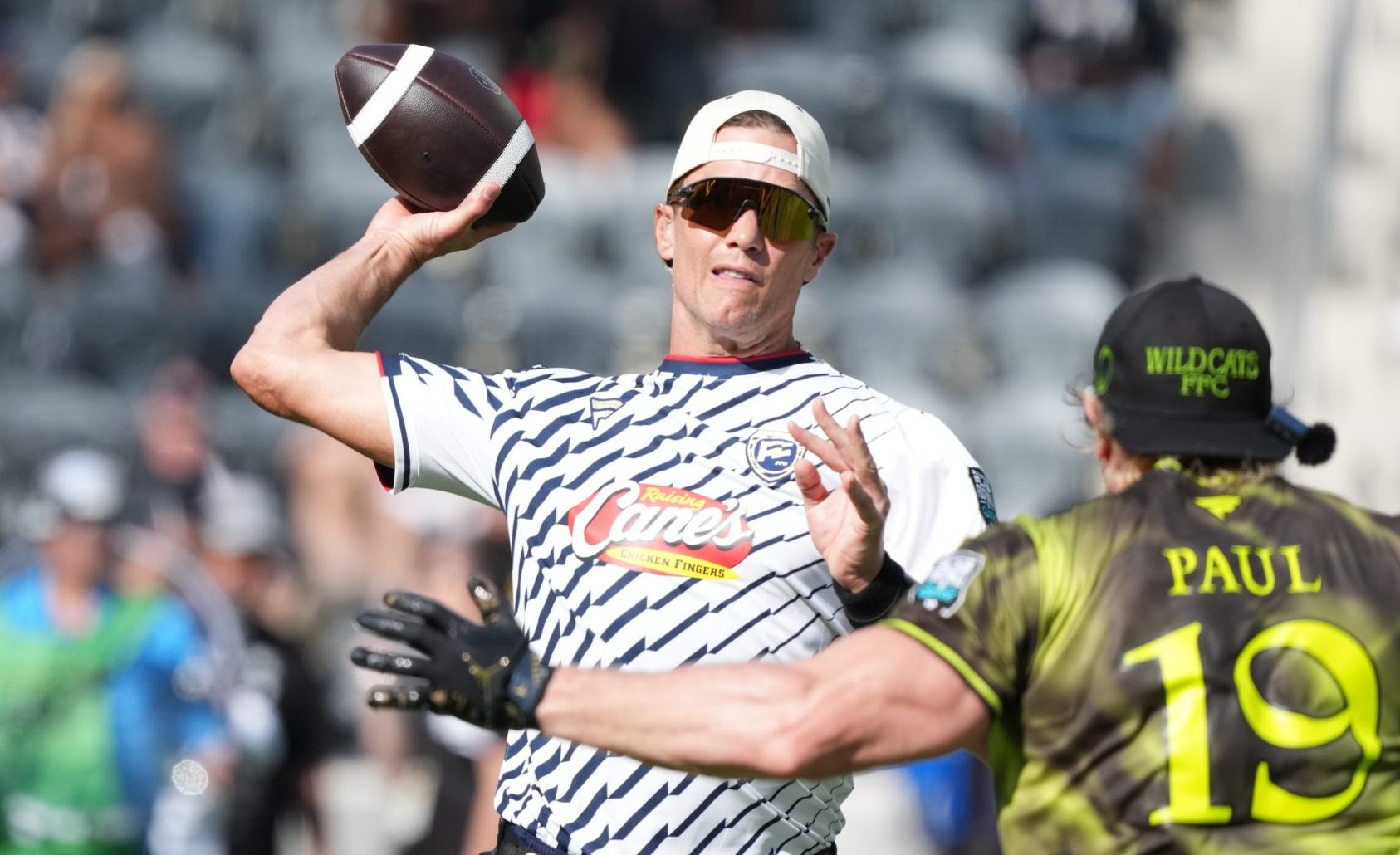
Sela, a prominent entertainment conglomerate based in Saudi Arabia, has initiated legal proceedings against Fanatics Studios in the United Kingdom. The lawsuit centers around a conflict pertaining to a flag football event, which has raised eyebrows in both sporting and business communities. This escalating tension illustrates the increasing merge of sports, entertainment, and legal landscapes, particularly in the Middle East.
The Origin of the Dispute
The crux of the disagreement stems from a scheduled flag football event that Sela planned to host. Allegations suggest that Fanatics Studios, a key player in sports merchandising and event management, may have violated an existing agreement over this event. With the rapid growth of flag football in popularity, particularly among youth and expatriate communities, the stakes are high for both parties involved. Sela aims to consolidate its influence in this evolving market, which aligns with Saudi Arabia’s broader ambitions to foster sports enthusiasm as part of its Vision 2030 initiative.
Legal Implications and Responses
Legal experts have pointed out that this lawsuit could have far-reaching implications for both organizations. For Sela, successfully litigating against Fanatics could bolster its position in the flag football space and validate its business strategy of branching into diverse forms of entertainment. Conversely, Fanatics Studios risks damaging its reputation and operational effectiveness if the lawsuit proves detrimental. Both companies have remained tight-lipped about the specifics of the agreement, heightening speculations among industry insiders and fans alike.
The Bigger Picture: Sports in Saudi Arabia
This legal battle occurs against a backdrop of increasing sports investment in Saudi Arabia. The country has been making headlines for hosting various high-profile sporting events and effectively marketing them to a wider global audience. Sela’s move can be seen as part of its strategic efforts to capture a share of this burgeoning industry. Flag football is especially significant due to its appeal among younger demographics and its inclusion in international sports rosters.
While the courtroom drama unfolds, it provides an intriguing snapshot of how the sports and entertainment sectors are intricately connected in today’s globalized economy. It raises questions about copyright, trademark rights in sports events, and the potential for future agreements or disputes within this rapidly evolving field.
In summary, while legal strategies are essential for Sela as it navigates this lawsuit against Fanatics Studios, the outcome may very well reshape the landscape of flag football in Saudi Arabia and potentially set a precedent for other sports ventures in the region. As both companies gear up for what promises to be an intricate legal battle, all eyes will be on the judiciary to see how it interprets the rights and obligations intrinsic to the sports entertainment sphere.