
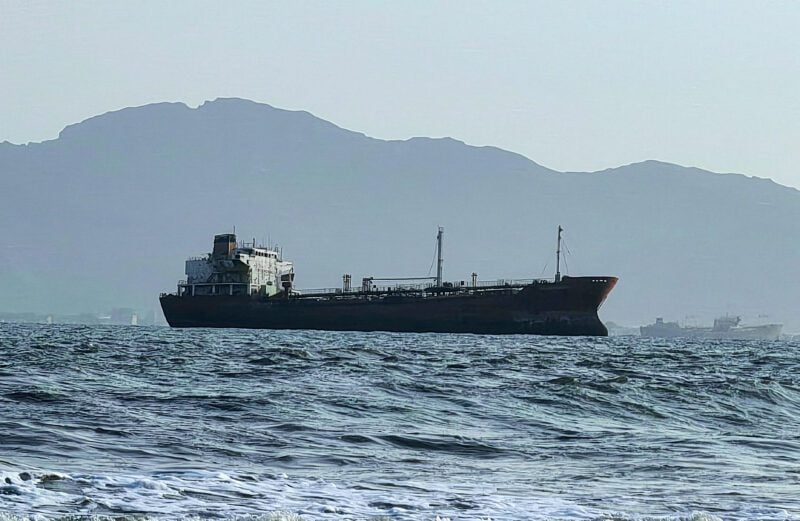
Saudi Arabia’s crude oil exports have experienced a significant decline, reaching their lowest level in nine years. This downturn is attributed to heightened tensions in the Middle East, including armed attacks on tankers. As the situation escalates, the implications for global oil supply and pricing are becoming increasingly pronounced.
Export Figures Reflect Serious Concerns
Recent data from tanker tracking companies, including Bloomberg, Vortexa, and Kpler, indicates that Saudi Arabia exported approximately 3 million barrels of crude oil per day in August. This figure marks a dramatic drop and is the lowest since record-keeping began in early 2017. Industry insiders, including crude traders and individuals knowledgeable about Saudi operations, support these findings. The dipping figures reflect broader concerns about the stability of oil shipments amid ongoing regional conflicts.
Impact of Attacks on Shipping Routes
The security of Saudi oil shipments has been compromised by attacks from Yemen’s Houthi militants, particularly in the Red Sea. This route has been pivotal for the kingdom as it seeks to bypass the congested and contentious Strait of Hormuz. Recently, two tankers, including one operated by Saudi shipping firm Bahri, were struck, resulting in the loss of two crew members. Such incidents have raised apprehensions among Saudi Arabia’s customers, causing some to reconsider their use of Red Sea ports. Consequently, Saudi Arabia is compelled to explore alternative shipping routes around Africa. This detour adds substantial distance and disruption to already strained global supply chains.
Shifts in Export Strategies Amid Conflict
Saudi Arabia quickly adapted its export strategies following the onset of war in February, redirecting shipments to its Red Sea coast after Iran began closing off Hormuz, a crucial passage for the kingdom’s oil exports. This strategic shift played a significant role in curbing an increase in oil prices and alleviating inflation concerns globally. From January to June, exports via the west coast port of Yanbu surged from approximately 770,000 barrels per day to about 4.3 million, but they then declined in subsequent months as the Houthi blockade took hold.
Despite these challenges, there were signs that oil loadings from the Ras Tanura terminal on the Persian Gulf had begun to recover, with several tankers spotted loading. This momentary improvement coincided with increased oil output from Iraq and Kuwait and continued successful oil shipments from the United Arab Emirates through Hormuz.
Ongoing Tensions and Future Implications
Recent military actions in the region have escalated tensions further, with the U.S. targeting Iranian military sites. In response, Iran launched projectiles at other Gulf states housing American bases. These developments have contributed to rising crude oil prices, pushing them above $95 a barrel in London—the highest level since late July. The potential for inflationary pressures and subsequent interest rate hikes is a growing concern for global markets and economies.
As these dynamics unfold, the future of Saudi oil exports remains uncertain. Although the latest monthly figures are provisional and may be subject to revision as new data emerges, they signal a precarious situation for both the kingdom and worldwide oil markets. Saudi Aramco and the country’s energy ministry have refrained from commenting, leaving many to speculate on the long-term impacts of these developments on Saudi Arabia’s oil strategy and global oil supply stability.