
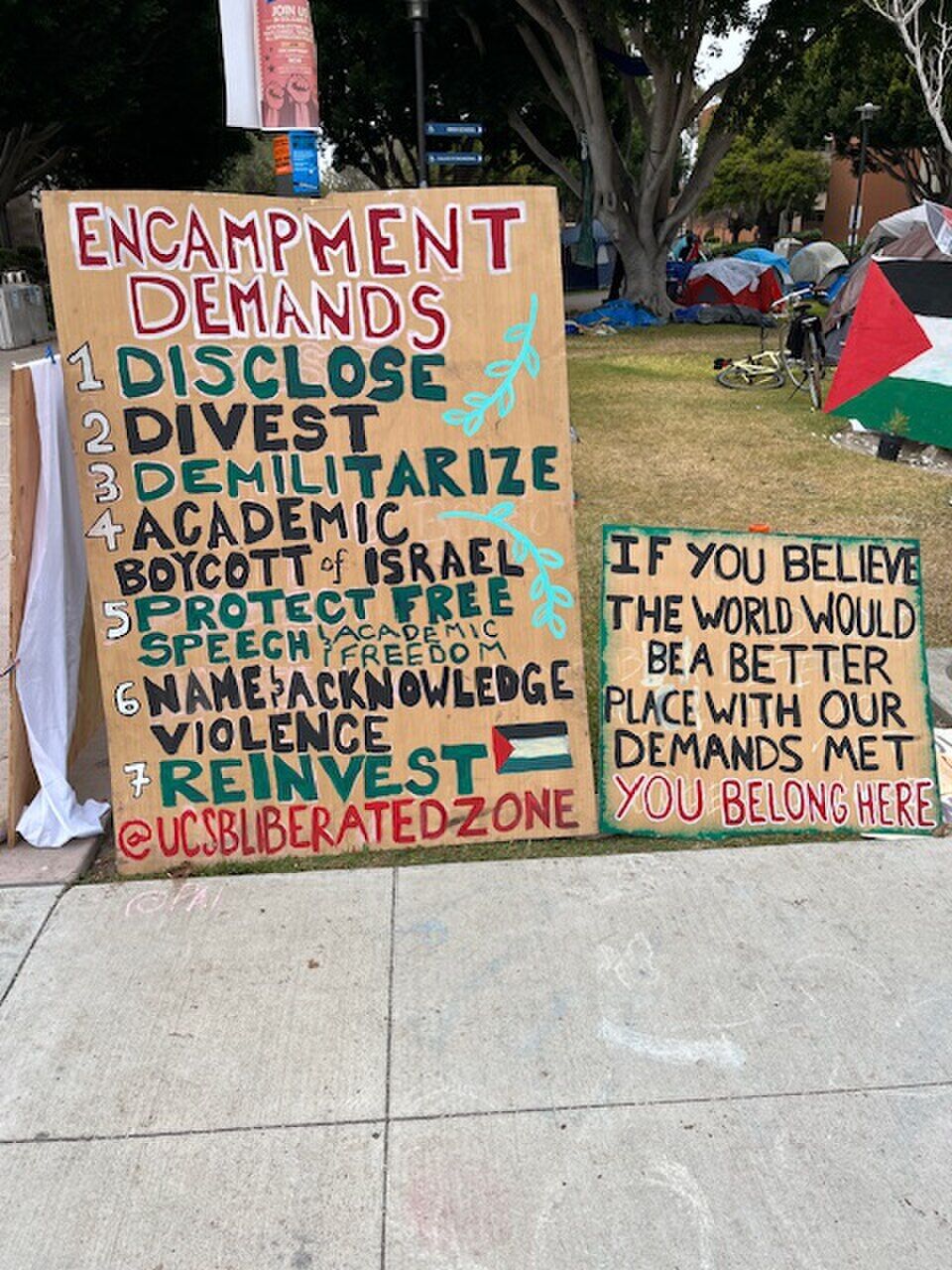
In recent discussions surrounding academia, particularly in the context of U.S. universities, concerns about anti-Israel sentiments within Jewish and Israeli studies programs have emerged. A recent study published by The Olam highlights these issues, suggesting that a significant percentage of faculty in these fields may express anti-Israel views.
Findings from The Olam’s Study
The study conducted by The Olam, overseen by Ronn Torossian, a figure with strong ties to pro-Israel advocacy, indicates troubling statistics. Among 1,014 faculty members involved in Jewish studies, Israel studies, Hebrew studies, and Holocaust studies, approximately 39.5% reportedly exhibited “documented anti-Israel public signals.” Broader reviews of 2,499 faculty records from similar programs revealed an even higher percentage, with 51.9% classified as having anti-Israel sentiments.
The study categorizes anti-Israel public signals as statements or actions that label Israel as an apartheid state, characterize military operations in Gaza as genocide, advocate for the cessation of U.S. aid to Israel, or endorse certain public declarations and organizations. However, not all criticisms are viewed as anti-Israel; positions supporting Palestinian rights while recognizing Israel’s right to exist or endorsing a two-state solution are distinguished as legitimate discourse.
Critiques of Methodology and Intent
Prominent academics have raised concerns regarding the credibility and intentions behind The Olam’s findings. James Loeffler, a historian and Jewish studies program director, suggested that Torossian’s background as a public relations activist might undermine the objectivity of the study. Loeffler emphasized the need for the Jewish community and media to scrutinize the implications of the report, noting that it lacks transparency in its data sources and methodological rigor.
Michael Brenner, who leads Israel studies at American University, shared insights into campus dynamics post-October 7, suggesting that faculty responses varied widely but did not reflect anti-Israel sentiments within his department. He pointed to expressions of solidarity from colleagues and acknowledged the complexities involved in navigating discussions about Israel amid heightened tensions.
The Campus Climate and Jewish Studies Programs
The campus atmosphere regarding Israel has been particularly charged lately, according to Robert Eisen, director of Judaic studies at George Washington University. He noted an increase in student feedback about perceived bias in Middle Eastern studies courses. Eisen’s observation indicates a long-standing concern about academic content in this area, illuminating the ongoing challenges faced by pro-Israel students in educational settings.
Rabbi Bruce Aft from George Mason University highlighted positive developments, noting institutional support for Jewish studies. He pointed out initiatives aimed at expanding Jewish education, reflecting a shift in the university’s approach following community advocacy.
The Need for Balanced Discourse
The current landscape for Jewish and Israel studies faculty is fraught with challenges, as described by Loeffler, who mentions pressures from both ends of the political spectrum. He urged the importance of creating open intellectual environments where students can critically engage with complex issues without succumbing to dogma or hostility. Brenner echoed this sentiment, emphasizing that robust Jewish and Israel studies programs are essential for nurturing informed discourse and resisting misinformation.
In conclusion, as debates on anti-Israel sentiments unfold in academic settings, it remains crucial to foster environments where students can explore these topics thoughtfully. Strengthening Jewish studies not only serves as a vital resource for students but also provides a counterweight to extreme viewpoints that may seek to polarize discussions further. Ultimately, a well-rounded education in these subjects is imperative for understanding the intricate realities surrounding Israel and its history.