
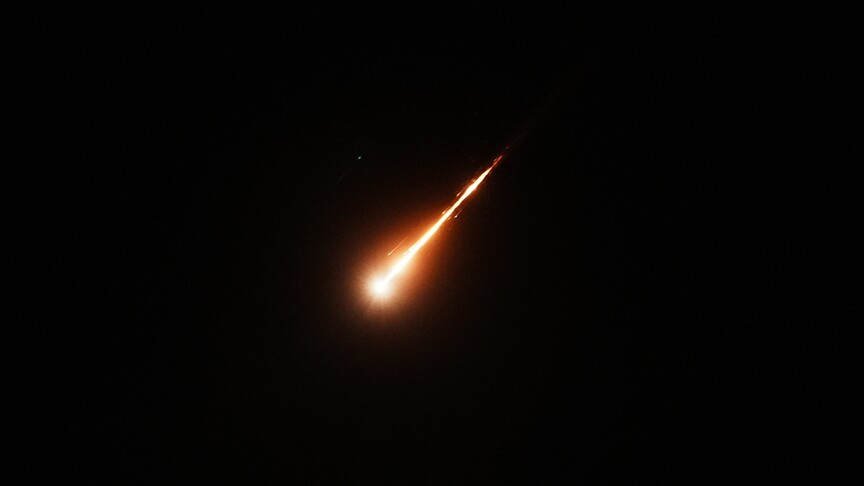
On July 22, 2026, residents of Dammam, a city in eastern Saudi Arabia, experienced a brief activation of early warning sirens due to potential threats from Iranian military actions. This alarming announcement was reported by Al Ekhbariya TV, drawing attention to the ongoing tensions in the region.
Warning Sirens in Dammam
The Saudi Civil Defense agency confirmed that the sirens were activated as a precautionary measure to alert citizens of a potential danger stemming from Iranian attacks. Following this initial warning, Civil Defense later issued a statement declaring that the danger alert in Dammam had been lifted, allowing residents to return to their normal routines. This momentary alarm underscores the heightened state of alertness and concern in the Gulf region amidst escalating hostilities.
Escalating Tensions Between the US and Iran
The recent tensions can be traced back to a series of military actions initiated by the United States over the past week, targeting various locations across Iran. In retaliation, Tehran has launched strikes directed at facilities and bases it claims are utilized by US forces in several neighboring countries. This cycle of violence raises significant concerns regarding the broader implications for regional stability and security, as both nations engage in aggressive posturing that has far-reaching consequences.
Attempts at Peace Amidst Conflict
Despite the burgeoning conflicts, it is worth noting that both the US and Iran entered a framework agreement brokered by Pakistan in June. This agreement aimed to put an end to the hostilities that erupted in February and establish a foundation for enduring peace. However, the recent exchanges of fire demonstrate how fragile such accords can be when both sides remain committed to military solutions over diplomatic resolutions.
The Broader Implications for the Middle East
This cycle of aggression between the US and Iran has broader ramifications not only for the countries directly involved but also for their allies and neighbors. The constant threat of missile strikes raises concerns about civilian safety in countries like Saudi Arabia, which serve as critical allies for the United States in the Middle Eastern landscape. Moving forward, it is crucial for regional players to navigate this complex geopolitical terrain in search of lasting solutions.
In summary, while early warning sirens provided a temporary alert in Dammam, the ongoing military clashes pose a significant challenge to peace efforts in the region. As both the US and Iran persist in their military endeavors, it is increasingly important to prioritize dialogue over violence to avoid further escalation and secure a stable future for the Middle East.