
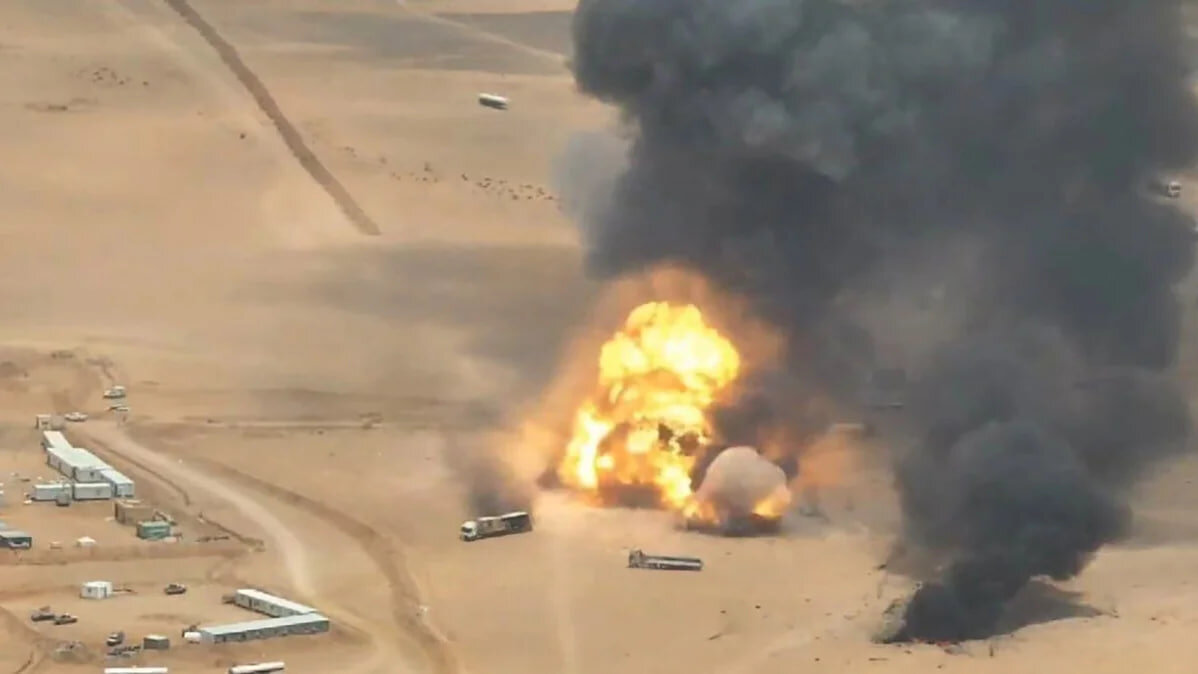
Saudi Arabia’s intricate strategy to manage the Ansarallah movement in Yemen while boosting its domestic economy is facing significant challenges. This situation presents a critical moment for Crown Prince Mohammed bin Salman, as analysts and diplomats point out the ramifications of the ongoing conflict.
Saudi Arabia’s Long-standing Conflict with Ansarallah
Approximately a decade ago, Crown Prince Mohammed bin Salman spearheaded a military intervention aimed at toppling the Ansarallah from power in Yemen. Initially framed as a mission to restore stability, this conflict quickly devolved into a protracted entanglement that drained Saudi resources and led to widespread condemnation, particularly due to the extensive airstrikes that ravaged Yemeni infrastructure. As the years progressed, the kingdom recognized the futility of its military endeavors, retreating into a fragile ceasefire established in 2022.
Rob Geist Pinfold, an expert on international security at King’s College London, articulated the current predicament as a collapse of Saudi Arabia’s containment tactics. Drawing parallels to Israel’s historical approach to Hamas, he noted that Saudi Arabia believed it had effectively curtailed Ansarallah’s capabilities—unfortunately, this assumption has clearly proven to be misleading.
Renewed Conflict and Escalating Violence
The recent escalation in violence began when Saudi Arabia targeted Sanaa airport in July, attempting to bar a plane carrying Ansarallah officials from landing. In retaliation, the Ansarallah instigated a blockade against Saudi shipping and initiated a rapid offensive down the Red Sea coast. This new aggressiveness poses a real challenge for Saudi forces and their Yemeni allies, who find themselves struggling to contain the situation.
Experts point out that this time around, Saudi Arabia has more at stake than in previous conflicts. The Ansarallah, once seen as a less sophisticated adversary, have adapted and improved their tactics significantly. While Saudi Arabia had previously endured missile and drone attacks, the precision and effectiveness of recent strikes mark a troubling shift.
Saudi Military’s Response and Global Perceptions
In just the past week, Ansarallah forces targeted Riyadh’s international airport on three consecutive days, resulting in significant casualties, including at least 13 fatalities and over 300 injuries on October 10 alone. The group’s ability to strike key facilities like the headquarters of state oil giant Aramco has raised serious questions about the effectiveness of Saudi Arabia’s military defenses. Despite being one of the world’s largest purchasers of American weaponry, including advanced air defense systems, Saudi Arabia’s response has been met with skepticism.
Gregory Gause, a renowned expert on Gulf affairs, highlighted the stark reality—that the Houthis now possess enhanced missile and targeting technology, allowing them to hit critical sites within Saudi Arabia at will. This challenging dynamic is causing many to reconsider the kingdom’s military competency, particularly given the substantial military budget that amounts to 6.5 percent of its GDP—one of the highest globally.
A Western defense official in Riyadh revealed that Saudi air defenses were intercepting the majority of incoming missiles and drones, yet the Ansarallah’s improved tactical capabilities have made penetrating these defenses increasingly easier. This shift, characterized by rapid innovation and enhanced intelligence, underscores the evolving nature of the conflict and presents a collection of unsolvable challenges for Saudi Arabia as it attempts to navigate its future amidst ongoing strife.