
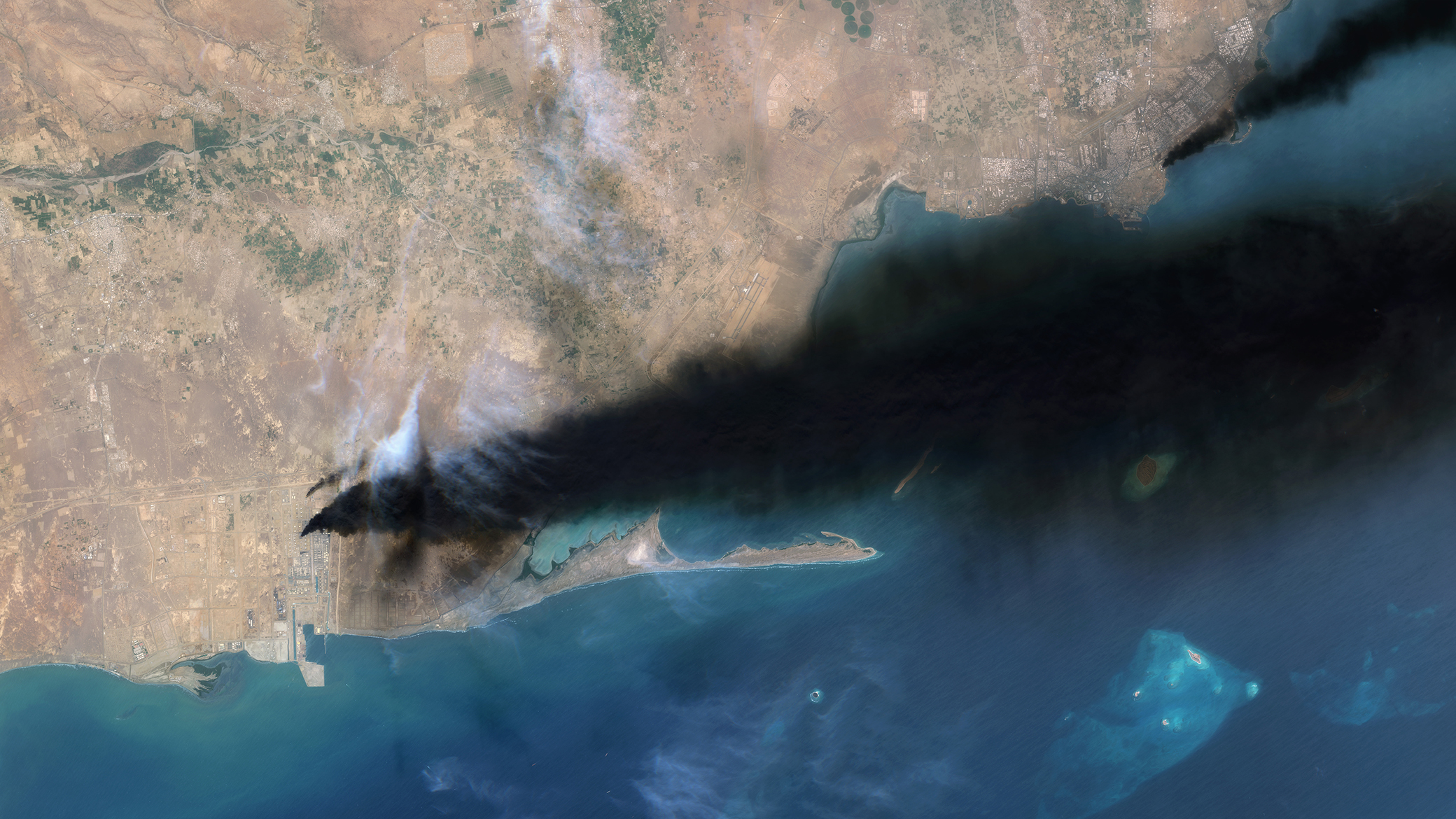
The ongoing conflict in Yemen has intensified significantly, particularly with the involvement of the Houthis, who are often viewed as Iran’s strategic allies. The recent uptick in Houthi attacks in both Yemen and Saudi Arabia highlights a troubling escalation that has led to fatal consequences. With assaults on commercial shipping routes and vital oil infrastructure, the situation demands urgent attention.
Escalation of Attacks by Houthis
Recent reports indicate a concerning pattern of Houthi aggression, marked by targeted assaults on multiple fronts. Notably, an incident in early August resulted in the deaths of six individuals aboard a cargo ship in the Bab al-Mandab Strait, making it one of the deadliest weeks since the Houthis engaged more seriously in the conflict. The Houthis also targeted an oil refinery in Jazan, Saudi Arabia, and attacked a Tanzanian-flagged vessel, underscoring the direct threat they pose to Saudi Arabia’s maritime interests. The Houthis’ strategic shift has not only introduced new elements of risk for the kingdom but has also indicated Iran’s growing influence in the region through its proxy forces.
The Broader Implications of Iranian Involvement
The Houthis’ increased military activities correlate with Iran’s bold approach to the conflict. After sustaining months of attacks from the U.S. and Israel, Iran’s decision to facilitate a direct flight from Tehran to Sanaa has raised alarms. While the trip was officially described as an effort to transport Houthi representatives for a funeral, it is also believed to have carried essential support and personnel from the Islamic Revolutionary Guard Corps (IRGC). This indicates that Iran is not merely an indirect influence but is actively involved in supporting Houthi military capability. The situation escalated further when Saudi Arabia responded to these provocations by striking airport runways in Yemen, resulting in retaliatory measures from the Houthis that escalated the regional conflict.
Saudi Arabia’s Response and Strategic Concerns
Saudi Arabia finds itself in a precarious situation, having long wished to avoid being drawn deeper into the Iran conflict. The kingdom is particularly vulnerable due to its heavy reliance on oil exports, with the stakes high for its economic future. Even before the escalation of hostilities, Saudi Arabia had successfully managed to maintain oil exports through the Red Sea. However, the recent Houthi actions risk undermining this vital income source by limiting maritime navigation. The broader implications for global shipping and energy prices could be severe, potentially disrupting economic stability not only for Saudi Arabia but for other nations reliant on Gulf oil supplies.
The situation is complicated by the lack of confidence in the U.S.’s willingness to offer military support. The Biden administration previously committed to a ceasefire with the Houthis, complicating the kingdom’s potential military responses. This tenuous relationship creates a challenging scenario for Saudi Arabia, as they attempt to navigate their national security while dealing with an increasingly emboldened Houthi force.
Future Uncertainties and Challenges
As Saudi Arabia weighs its options concerning Houthi aggression, the leadership recognizes the urgency of adapting its military strategy without igniting further conflict. Although the kingdom has sought to bolster its alliances—announcing a maritime coalition—there remains uncertainty about the effectiveness of these partnerships. Major questions linger about the capability and willingness of other coalition members to actively respond to Houthi threats.
Ultimately, the path forward for Saudi Arabia may hinge on a delicate balancing act of proactive defense, international diplomacy, and regional collaboration. As they confront the Houthis, the stakes remain high, not just for the kingdom but for the broader geopolitical landscape in the Gulf region. The reluctance to engage in another military campaign is palpable; however, if Houthi provocations continue, Saudi Arabia may feel pressure to reassess its strategic priorities, with potentially far-reaching consequences for all involved.