
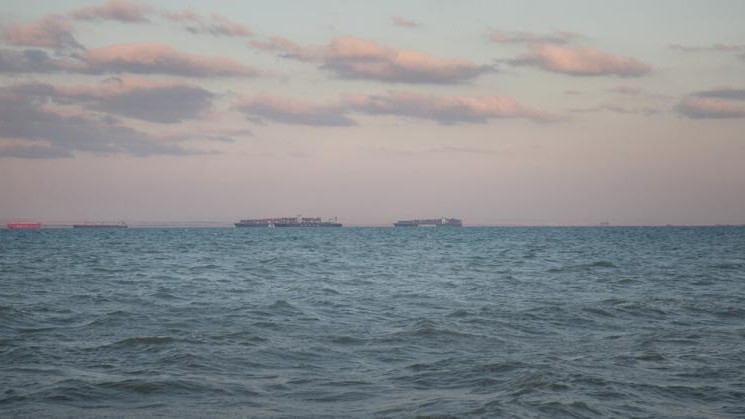
For years, Saudi Arabia’s energy strategy has relied on a straightforward solution to any threats in the Strait of Hormuz. When oil flow through the Persian Gulf was jeopardized, exports could be redirected west via the East-West Pipeline to Yanbu on the Red Sea. This approach has historically strengthened Saudi energy security and alleviated dependence on Hormuz. However, recent challenges in the Red Sea, particularly around Bab El Mandab, have exposed vulnerabilities in this strategy, jeopardizing not just domestic stability but also the global oil markets.
Current Challenges in the Red Sea
The Houthi blockade has made Bab El Mandab largely inaccessible, which poses a significant logistical challenge for Saudi oil exports. Despite the East-West Pipeline’s capacity of around seven million barrels per day, reaching Yanbu does not resolve the issue if vessels cannot exit the Red Sea. With the blockade in place, the Kingdom faces the risk of a considerable disruption to global oil supplies, along with shifts in the balance of global power.
While an alternative route through the Suez Canal exists, it is not a panacea. The Suez Canal’s infrastructure was never intended to replace the direct access provided by Bab El Mandab for millions of barrels of crude oil. Although the canal operates smoothly, increasing traffic through it leads to new bottlenecks, longer transit times, and rising costs for energy markets. This is particularly concerning as crude from Saudi Arabia must navigate extended routes to ultimately reach consumers, complicating logistics further.
The Limitations of Existing Infrastructure
The development of Yanbu as a primary export facility has given Saudi Arabia strategic flexibility, as it minimizes exposure to regional threats. However, should Bab El Mandab close, every shipment from Yanbu must make critical decisions about its route. Exports headed for Europe and the US can navigate through the Suez without major complications. Conversely, shipments to Asia face an arduous journey through the Red Sea followed by a transit through the Suez Canal. The increased transit distance significantly impacts both time and costs, creating a logistical nightmare that dampens efficiency.
Moreover, reliance on Very Large Crude Carriers (VLCCs), which cannot transit the Suez Canal at full capacity, complicates matters further. Although the SUMED pipeline offers a partial solution by allowing VLCCs to offload crude for canal transit, its capacity simply isn’t sufficient to handle the potential surge of redirected Saudi crude if Bab El Mandab is rendered impassable. With a capacity of 2.3 to 2.5 million barrels per day, SUMED cannot accommodate the volume that would need to be offloaded and sent through the canal, turning it from a strategic option into another problem.
Global Implications and Future Considerations
The logistical constraints present an alarming scenario for global oil markets. As the Suez Canal struggles to accommodate increased traffic, both crude and refined petroleum products will experience delays. This inefficiency can crank up global oil prices, squeezing supply and igniting demand for alternatives. Countries like China, India, Japan, and South Korea—who collectively consume the majority of Saudi crude—will find themselves facing an uphill battle of prolonged transit times and spiraling costs. What may seem like a logistical adjustment could lead to significant changes in global energy dynamics.
In conclusion, while the East-West Pipeline is a vital asset for Saudi energy independence, its shortcomings when confronted with geopolitical tensions highlight the need for a more resilient logistical framework. Energy security will increasingly depend on not just production capacity, but also the ability to efficiently transport that energy to market. The impending challenges demand a fresh look at existing strategies and the development of new, resilient routes to secure the flow of oil amid ongoing geopolitical threats.