
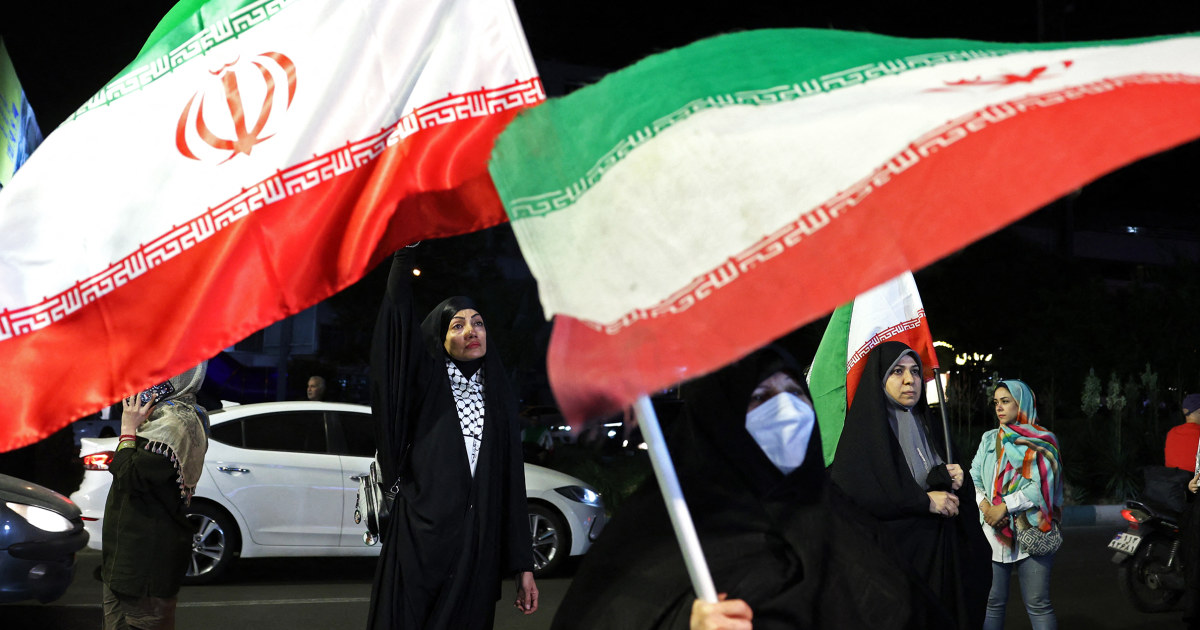
The geopolitical landscape is increasingly tense as Iran faces mounting pressure from the U.S. amid stalled diplomatic efforts. Recent remarks from former President Donald Trump indicate a potential escalation in hostilities, particularly in light of recent drone attacks targeting U.S. allies in the Gulf region.
Trump’s Stern Warning to Iran
On Sunday, Trump took to social media to assert that Iran must act swiftly or face dire consequences. He indicated that if negotiations do not progress, the U.S. may respond more forcefully than before. This rhetoric revived his earlier threats to “annihilate” Iran, adding urgency to an already precarious situation that has developed over nearly three months of conflict involving the U.S. and Israel against Iran.
Negotiations aimed at resolving the crisis—including the contentious issues surrounding Iran’s nuclear program and ensuring safe navigation through the Strait of Hormuz—seem to have stagnated. Iranian Foreign Ministry spokesperson Esmail Baghaei addressed these threats, stating that Tehran is not intimidated and reaffirming that ongoing negotiations remain a priority for the Iranian government. He noted that the Iranian leadership conveyed its apprehensions regarding U.S. proposals to their American counterparts.
Recent Attacks Heighten Tensions
The diplomatic standoff coincides with a troubling surge in military actions. Just days ago, a drone strike in the United Arab Emirates led to a fire at a nuclear power plant, emphasized by officials as an “unprovoked terrorist attack.” In a tactical effort, Saudi Arabia reported intercepting multiple drones originating from Iraq. The U.A.E. declined to name a specific aggressor; however, it has long accused Iran of orchestrating covert attacks during periods of fragile ceasefires.
As both Washington and Tehran seem poised for renewed conflict, concerns about energy security and regional stability deepen. The closure of the Strait of Hormuz, a crucial waterway for global oil supplies, coupled with rising oil prices—over $110 per barrel—raises alarm. Experts warned that dwindling commercial oil inventories could further destabilize global markets.
Iran’s Stance on Diplomacy and Defense
In light of escalating tensions and recent threats, Baghaei emphasized that Iran harbors no ill-intent toward its neighbors, including the U.A.E. He asserted that Tehran is prepared for any adverse actions should Trump proceed with aggressive military strategies. “If they make even the slightest mistake, we know very well how to respond,” he cautioned, underscoring Iran’s commitment to its nuclear rights, which it argues are protected under the Treaty on the Non-Proliferation of Nuclear Weapons.
As both sides grapple with complex issues around nuclear capabilities and military actions, the risk of miscalculation remains high. The international community watches closely, aware that any military escalation could have profound implications not just for the Middle East, but for global stability as well.
In summary, the situation remains fluid as diplomatic channels appear to stagnate amidst rising military actions and heated rhetoric. Both Washington and Tehran must navigate their next steps carefully, or risk the potential for broader conflict that neither side appears prepared to confront fully.