
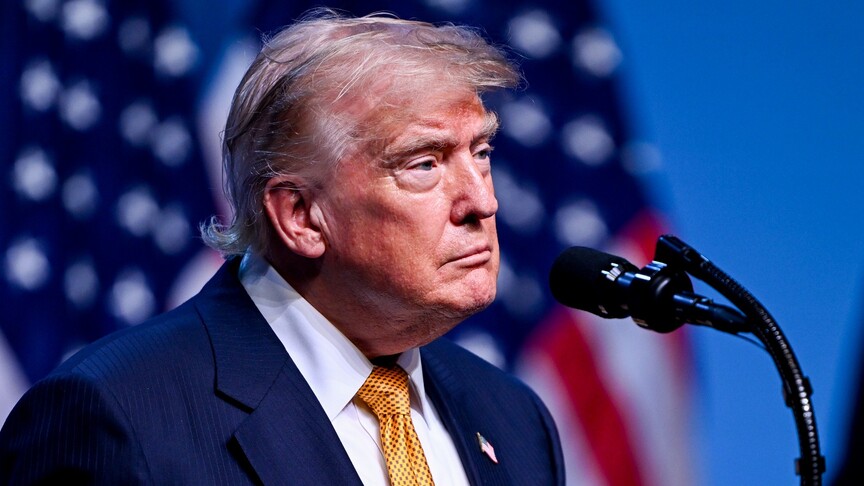
US President Donald Trump has postponed a significant military escalation against Iran, reportedly due to intense diplomatic pressure from key Gulf partners. This decision comes amid rising tensions and ongoing conflict in the region.
Diplomatic Pressure from Gulf Leaders
A crucial phone conversation took place between Trump and Saudi Crown Prince Mohammed bin Salman, who advocated for de-escalation and sought clarification regarding the United States’ strategies. The urgency of this call underscores the Gulf nations’ growing concerns about their security in light of continued Iranian aggressions. The Wall Street Journal has noted that these countries feel frustrated by what they perceive as a lack of coherent US policy, which has resulted in increased retaliatory strikes from Iran affecting their territories.
While Saudi Arabia has been at the forefront of calls for peace talks, reports indicate that the United Arab Emirates (UAE) has been pressing Trump for more decisive military action in recent days. This divergence in strategies among Gulf states highlights the complexity of the region’s geopolitical landscape. On the other hand, Israeli officials seem to agree that Trump favors a diplomatic resolution to avoid the severe repercussions of re-engaging in full-scale regional conflict.
Claims of a Temporary Insight
According to statements made by Trump on his social media platform, Truth Social, he retracted the strike following a plea from Tehran and other Middle Eastern countries, who requested time to negotiate a peace framework. Trump mentioned that discussions had established “perimeters” for a potential agreement aimed at reopening the Strait of Hormuz, a crucial maritime route for global oil shipments. However, skepticism arose when Iranian news outlets reported dissenting views, claiming that Iran denied any such request and rejected the notion of a completed agreement concerning this vital waterway. This indicates a significant gap in narratives regarding the state of diplomacy between the involved nations.
Implications for Regional Stability
The situation poses considerable risks for regional stability, as fluctuating US foreign policy creates uncertainty among allies in the Gulf. With the prospect of an escalating conflict looming, the response strategies of neighboring countries become paramount. The internal disagreements between Saudi Arabia and the UAE on how to handle Iran may further complicate an already fragile alliance.
This moment presents not only an opportunity for dialogue but also a significant test of diplomatic relations. Given the dynamics at play, regional leaders will need to navigate carefully to prevent an escalation of tensions that could lead to wider conflict. Enhanced communication and a shared strategy among Gulf nations may be crucial to achieving lasting peace.
In conclusion, as the situation continues to unfold, the decisions made by Trump and key Gulf leaders will shape the trajectory of US-Iran relations and the overall security landscape in the region for the foreseeable future. The interplay of diplomacy and military posturing remains a tightrope walk as the stakes inevitably rise.