
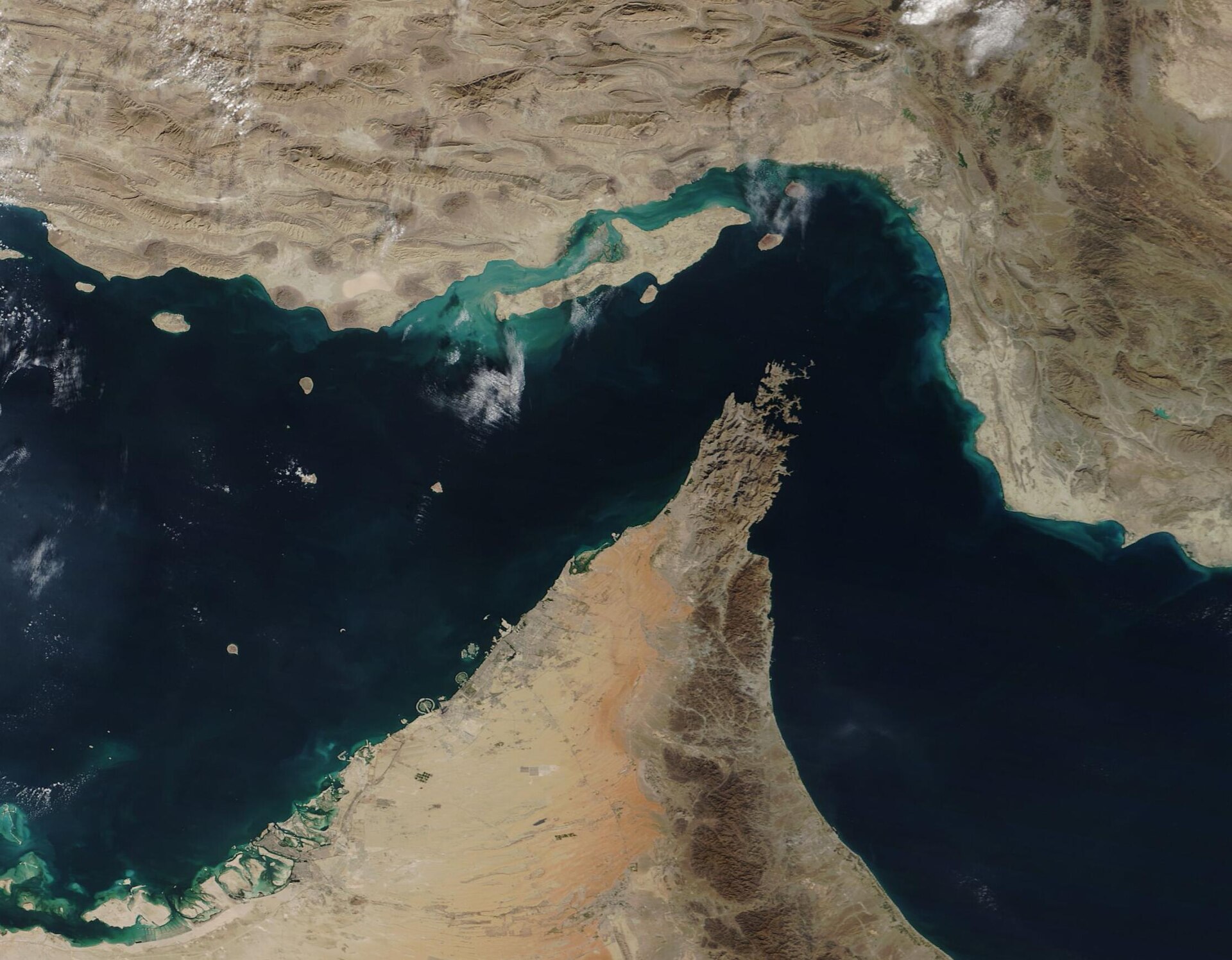
In recent geopolitical developments, tensions surrounding the Strait of Hormuz have escalated, particularly between the United States and Iran. With significant implications for global oil markets and international relations, understanding the motives and responses of key players is essential for grasping the broader context.
Tensions Rise in the Strait of Hormuz
The Strait of Hormuz, a crucial passageway for approximately one-fifth of the world’s oil supply, has become a focal point for conflict. In light of Iran’s strategies and U.S. defense policies, the region has seen increased military activity. Iran proposed a seven-day plan to ease tensions, which was promptly dismissed by former President Trump. This rejection signifies a commitment to maintaining a hardline approach as the U.S. seeks to assert its influence in the area amidst ongoing threats.
The Impact of U.S. Domestic Policy
As the November midterms approach, it appears that U.S. foreign policy may be intertwined with domestic electoral strategies. By refraining from military escalation until after the elections, Trump aims to navigate the political landscape while keeping options open for future action. This tactic could not only influence public opinion but also shape the geopolitical stability of the region. The commitment to resume military operations post-election may reflect a strategic decision, intending to leverage upcoming electoral outcomes to justify potential military interventions.
Saudi Arabia’s Position in the Crisis
For Saudi Arabia, the situation presents a critical challenge. As a key U.S. ally and a significant oil producer, the kingdom finds itself in a precarious position, caught between aggressive Iranian posturing and U.S. military commitments. The confirmation of a crisis timeline further complicates Saudi Arabia’s regional security strategies. The kingdom must navigate its strategic interests carefully, balancing support for U.S. initiatives while managing its own energy security and regional influence.
Broader Implications for Global Oil Markets
The implications of this geopolitical tug-of-war extend beyond the immediate region, reverberating throughout the global oil markets. Fluctuations in tension could lead to instability in oil prices, affecting economies worldwide. Any hint of military conflict in the Strait of Hormuz raises concerns about disrupted oil shipments, which could further heighten market volatility. Investors and policymakers alike are closely watching developments as they prepare for potential shifts in the energy sector.
In conclusion, the current dynamics surrounding the Strait of Hormuz signify a complex interplay of regional politics, strategic alliances, and economic consequences. With U.S. interests seemingly intertwined with electoral considerations and Saudi Arabia’s pivotal role in the region, the next few months may prove critical for both geopolitical stability and global energy markets. As events unfold, stakeholders must remain vigilant and adaptable to navigate this challenging landscape.