
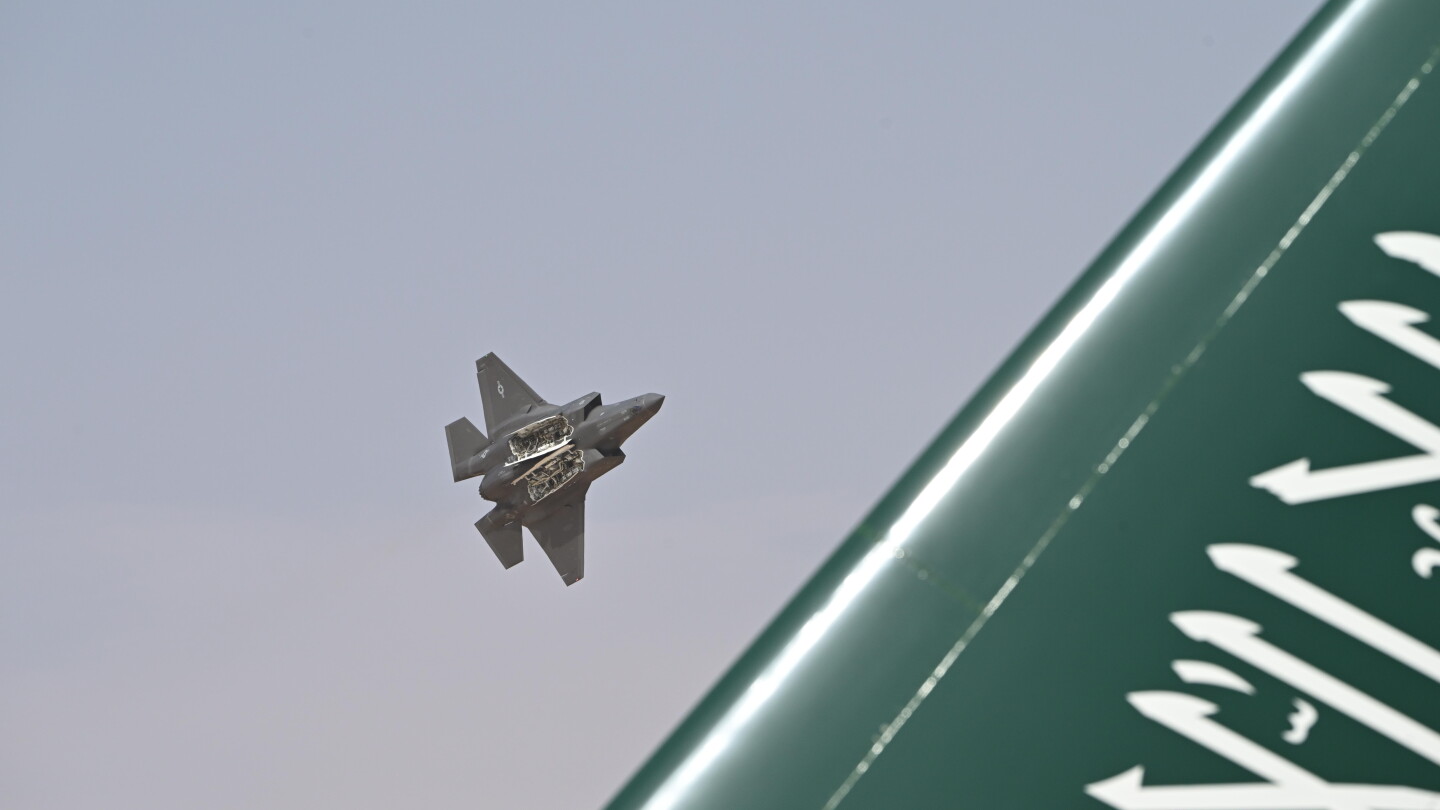
On September 17, 2026, the Biden administration informed Congress of its intention to sell 48 F-35 Joint Strike Fighters to Saudi Arabia, a deal valued at $24 billion. The decision comes at a critical time for the kingdom, which has recently faced escalating threats to its oil exports from drone strikes on the East-West Petroline and the Houthi capture of strategic areas in Yemen. This raises a pertinent question: is this latest arms sale reminiscent of past military transactions, particularly President Reagan’s controversial AWACS sale to Saudi Arabia?
Comparing Military Sales: A Historical Perspective
More than 35 years ago, President Ronald Reagan proposed the sale of five AWACS (Airborne Warning and Control System) planes to Saudi Arabia, amounting to $8 billion. This deal was met with significant scrutiny, particularly concerning Israel’s security and the potential for advanced technology falling into hostile hands, similar to the concerns regarding the F-14 jets sold to Iran before the 1979 Islamic Revolution. Adjusted for inflation, Reagan’s AWACS sale would be roughly equivalent to $30 billion today. The AWACS deal was also intricately linked to fostering Saudi defensive capabilities, eventually enabling U.S. operations during the Gulf War.
Now, as President Biden navigates this new F-35 sale, he must grapple with its implications for U.S.-Israeli relations. The decades-old U.S. commitment to maintaining Israel’s Qualitative Military Edge in the region is at the forefront of congressional concerns. The relationship between Saudi Arabia and countries like China and Turkey complicates this equation, leading to questions about whether Riyadh remains a trustworthy ally. Critics argue that these new jets may not substantially improve Saudi capabilities against the Houthis, who have proven resilient to aerial bombardment over the past 12 years.
The Houthi Challenge and Congressional Concerns
Despite hopes that the F-35 sale could bolster Saudi defense, the reality is that advanced fighter jets alone are unlikely to resolve the ongoing Houthi conflict. The Saudi military’s failure to curtail Houthi forces with their current arsenal raises doubts about how much new technology can truly change the course of this long-standing struggle. Historical precedents suggest that military hardware is only part of a larger strategic equation, and without a well-thought-out plan, recent acquisitions may serve little more than political theater for both Riyadh and Washington.
Congressional responses have highlighted these apprehensions, particularly given the backdrop of Saudi Arabia’s recent foreign policy shifts. The nation’s participation in BRICS and its growing ties with countries like China introduce elements of uncertainty regarding its loyalty to U.S. interests. As such, lawmakers are right to question the motivations driving this latest arms deal. Is it merely a strategic maneuver to reassure allies, or part of a broader, more cohesive strategy to counter Iranian influence in the region?
Weighing Risks and Strategic Outcomes
Critics point out that this F-35 deal may not just be a rushed response to immediate threats. Instead, it can be viewed as a long-term gamble that could profoundly shape U.S.-Saudi relations and regional defense dynamics for years to come. Yet, President Biden must clarify the strategic rationale behind such a significant military transaction. Given the complexities surrounding Saudi Arabia’s international partnerships and their less-than-rosy human rights record, it is essential for the administration to communicate how this deal offers real security benefits.
Ultimately, the fate of the F-35 sale is entangled in ongoing discussions about how to maintain stability in the region. As both the U.S. and Saudi Arabia confront the shifting tides of global power and increasing threats from adversaries, it becomes crucial to dissect whether this arms package will genuinely contribute to a durable security framework or simply serve as a temporary fix within a larger, unresolved crisis. In this context, the F-35 deal raises more questions than answers, highlighting the need for thoughtful consideration of long-term strategic objectives over quick political gains.