
A resolution between the United States and Iran appears increasingly elusive. Since the Memorandum of Understanding (MOU) fell apart last July, the chances of revitalizing it have diminished substantially. While Iran insists on a return to the MOU, the current U.S. administration, under Trump, indicates a hardline stance—asserting that even if Iran were to reopen the Strait of Hormuz, there would be no return to the agreement or lifting of sanctions. Furthermore, the situation is complicated by Israel’s ongoing military actions in Lebanon, which Iran views as a non-negotiable factor in any agreement.
The Standoff Over Nuclear Talks
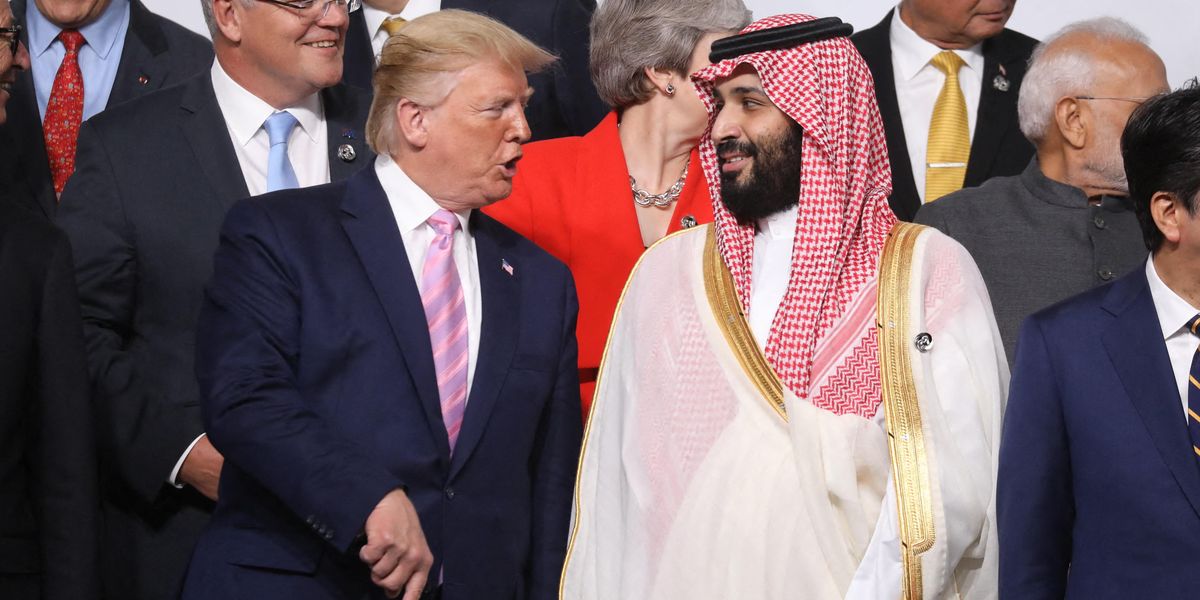
Even if these immediate hurdles were addressed, fundamental differences over nuclear policy persist. Tensions have escalated since Trump’s recent nuclear accord with Saudi Arabia was revealed. According to Kelsey Davenport from the Arms Control Association, the agreement provides Saudi Arabia with access to uranium-enrichment technology that the United States has long restricted from Iran. The U.S. is effectively enabling Riyadh to pursue a nuclear arsenal while adhering to a significantly relaxed inspection framework, contrasting sharply with its stringent demands on Iran.
One critical issue is that Trump’s initiative does not compel Saudi Arabia to comply with the more stringent International Atomic Energy Agency (IAEA) safeguards known as the Additional Protocol. For context, Iran had voluntarily agreed to implement this protocol under Obama’s nuclear deal in 2016. However, after Trump’s withdrawal from that agreement in May 2018, Iran no longer felt bound to it.
A Double Standard in Nuclear Policies
The stark inconsistency in the approach toward Iran and Saudi Arabia is glaring. While Iran’s attempt to develop a uranium-enrichment program up to 20% purity in 2010 raised alarms and was labeled a sign of potential weapons development, Trump’s deal with Saudi Arabia allows the kingdom to pursue similar capabilities with far fewer checks in place. This double standard reinforces the perception that enrichment capabilities are only deemed acceptable when vested in Saudi Arabia, outraging many observers and complicating the diplomatic landscape with Tehran.
This disparity complicates the possibility of Iran accepting the terms previously discussed around the MOU. The foreign minister of Oman, who facilitated earlier negotiations, has indicated that Iran was open to a needs-based enrichment agreement, which would have effectively paused enrichment activities for five to seven years—beyond the timeline of Trump’s presidency. In subsequent talks, Iran suggested it might extend this pause further, yet the recent Saudi agreement complicates this already fragile relationship.
The Uncertain Path Ahead
For any genuine opportunity to revive the MOU, a nuclear agreement must be secured by the conclusion of the MOU’s designated period. The glaring contradictions between U.S. demands placed on Iran and the concessions granted to Saudi Arabia make achieving such a nuclear deal increasingly difficult. Without an agreement, the risk of further conflict escalates significantly.
Trump’s contentious deal with Saudi Arabia may have inadvertently decreased the likelihood of overcoming hostilities with Iran. As negotiations remain precarious, the landscape is fraught with challenges that make a peaceful resolution even more elusive. In summary, the complexities underlying U.S.-Iran relations are not merely political obstacles but deep-seated issues of trust and security that define the region’s future. The implications of the U.S.’s unequal approach to nuclear proliferation could have lasting consequences on peace attempts in the coming years.