
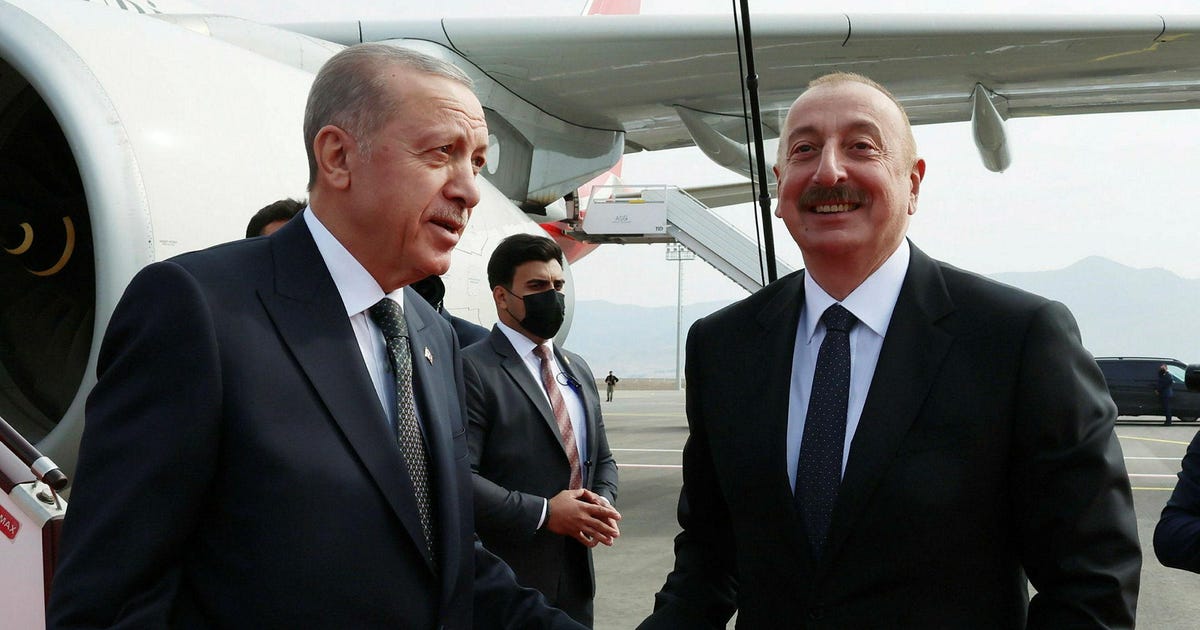
Tensions in the Middle East continue to shape the geopolitical landscape, particularly regarding the relationships between Israel, Turkey, and Syria. Recent statements from senior officials reveal a lack of communication between Israel and Turkey, alongside stalled negotiations with Syria. Understanding these dynamics is essential for grasping the broader implications for regional security and politics.
Israel and Turkey: A Complicated Rivalry
Currently, Israel perceives Turkey as a rival state, leading to an absence of diplomatic dialogue. This sentiment emerges from a history of fluctuating relations, where both countries have oscillated between cooperation and conflict. As Turkey shifts its foreign policy towards alliance-building with various Middle Eastern countries, Israel has found it increasingly challenging to navigate relationships in this complex environment. The lack of communication could exacerbate existing tensions and hinder efforts to establish any cooperative agreements in the future.
Failed Negotiations with Syria
Recent discussions regarding a security agreement between Israel and Syria have also proven unsuccessful. A senior official indicated that the core issue lies in Israel’s refusal to withdraw from the strategically critical buffer zone that separates the two countries. This area has historically been a contentious point, and withdrawals have been tied to broader peace negotiations. The failure to reach a consensus not only complicates the security situation but also leaves both nations entrenched in their respective positions.
The Impact on Regional Stability
Without dialogue and cooperative agreements, the potential for escalated conflicts in the region becomes more pronounced. The interactions—or lack thereof—between these states could influence other neighboring countries, possibly heightening existing tensions in the area. The ongoing military and political strategies employed by Israel may have significant repercussions, not only for its immediate neighbors but also for the broader international community concerned about stability in the Middle East.
Exploring these ongoing dynamics reveals the intricate web of alliances and rivalries that define the region. As global powers watch closely, the potential for shifts in relations can result in widespread consequences. Whether through diplomatic engagement or military actions, the outcomes of these strained relationships will undoubtedly shape the future geopolitical landscape of the Middle East.
Conclusion
In summary, the current state of affairs between Israel, Turkey, and Syria underscores the complexities of Middle Eastern diplomacy. The absence of dialogue not only reflects a troubled history but also sets the stage for future challenges in achieving peace and stability. As the situation evolves, the international community must pay careful attention to the unfolding narratives, understanding that each action taken by these countries can ripple across the region, affecting global security dynamics for years to come.