
In recent events, the geopolitical landscape of the Middle East has seen a series of dramatic developments that could alter regional dynamics significantly. The tensions, particularly involving Iran and its neighbors, have prompted various diplomatic responses, highlighting the complexities of international relations in this oil-rich region.
Iran’s Aggressive Actions in the Gulf
Just last week, Iran escalated hostilities by launching attacks on Bahrain and disrupting maritime activity in the Strait of Hormuz. This strategic waterway serves as a crucial passage for a significant portion of the world’s oil supply, making any threats to its security a concern not just for the Gulf states but also for global economic stability. The Iranian offensive appears to be part of a broader strategy to exert influence over regional security and alliances. Attacks like these can heighten fears among neighboring countries about Iran’s intentions, leading to an unstable situation that jeopardizes peace in the area.
Saudi Arabia’s Diplomatic Endeavors
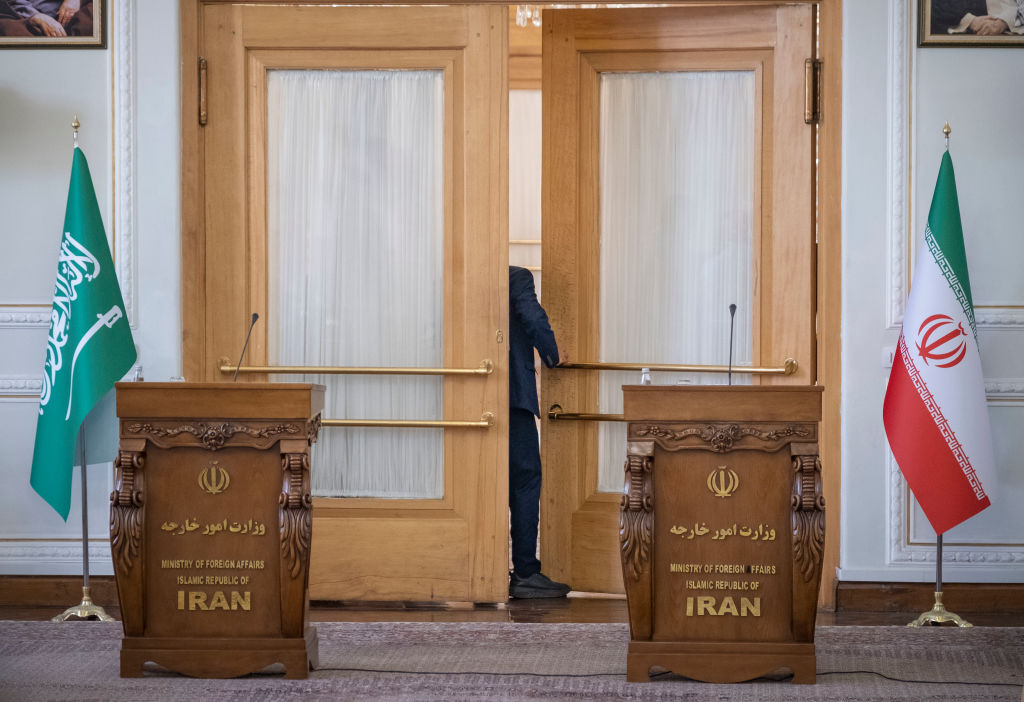
In contrast to Iran’s aggressive posture, Saudi Arabia is seeking to ease tensions through diplomacy. The Kingdom has initiated plans for a reconciliation summit with Tehran, aiming to foster dialogue and reduce hostilities. This effort signifies a shift in the Saudi approach towards Iran, focusing on collaboration rather than confrontation. Officials in Riyadh recognize that achieving stability in the region is crucial for their national interests, particularly as they navigate complex relationships with other Gulf states and global powers.
The Role of International Influences
The backdrop of these events is further complicated by the involvement of international players who have vested interests in the region. The United States, Russia, and various European nations continuously monitor these developments, as they can have far-reaching implications on international oil markets and geopolitical alliances. Changes in Iran’s conduct could prompt a reevaluation of sanctions or military strategies by these global powers, especially if there is a recurring pattern of aggression. This interplay of domestic and international factors highlights the intricate balance that regional nations must maintain amid external influences.
Looking Ahead: The Need for Caution
As the crises unfold, the necessity for caution is paramount. The potential for miscalculation in a highly volatile environment poses significant risks. Both Iran and Saudi Arabia must navigate these developments carefully, as any misstep could lead to escalated conflict. Sustainable peace will require not only dialogue but also a concerted effort from both sides to address underlying grievances and foster trust. The effectiveness of diplomatic outreach in mitigating tensions will be critical to securing a stable future for the region.
The progression of events in the Middle East is a reminder of the interconnected nature of global affairs. As countries like Iran and Saudi Arabia engage in a complex dance of aggression and diplomacy, the outcome will not only shape their futures but will also have lasting effects on global stability and economic conditions. The coming days and months will be critical in determining whether peace can be achieved or if the specter of conflict in the Gulf will continue to loom large.