
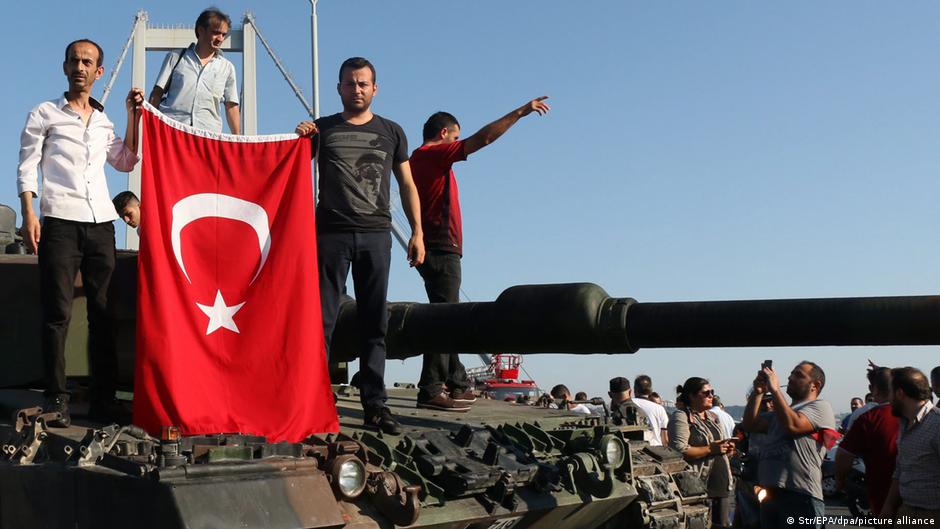
A decade after the unsuccessful coup attempt in Turkey in 2016, the aftermath continues to profoundly influence the nation’s political dynamics. The ripples of that fateful event still shape the conversations around governance, civil rights, and societal change in Turkey today.
Impact of the Coup on Academia
The purges that followed the coup resulted in significant ramifications for various sectors, particularly academia. Many individuals, including sociologist Ulas Bayraktar, found themselves ousted from their educational positions, leading to upheaval in their professional and personal lives. Bayraktar, who lost his university role during this turmoil, had to rebuild his career from scratch. He established a cultural café in Mersin, which served as a refuge for expression and discourse amid an environment increasingly marked by fear and repression.
The Strengthening of Authoritarian Rule
Critics argue that the extensive crackdown on dissent has only fortified President Recep Tayyip Erdogan’s hold on power. The targeting of academics, journalists, and opposition voices has created an atmosphere of intimidation that stifles free speech and critical thought. This consolidation of authority raises concerns regarding the health of Turkey’s democratic processes. As opposition parties and independent voices are silenced, the political landscape tilts further away from pluralism.
Current Climate of Fear and Resistance
Today, Turkey is witnessing ongoing protests and arrests that reflect widespread discontent with the government. Many citizens express their grievances through demonstrations, often met with heavy-handed responses from law enforcement. The growing apprehension over the state of judicial independence further complicates the situation; the erosion of legal protections raises alarms about the rule of law and the rights of individuals. In this climate, the future of democracy and civil liberties remains uncertain and precarious.
Looking Ahead: Challenges for Turkish Society
As Turkey reflects on the impact of the coup and the subsequent systemic changes, the challenge lies in fostering a society that values democratic principles and respect for human rights. The path forward necessitates a dialogue about political freedoms, civic engagement, and accountability. While the scars of the past remain, they also serve as a catalyst for many to advocate for transparent governance and renewed activism, aiming for a future where voices can be heard without fear of reprisal.
Ultimately, the consequences of the 2016 coup attempt continue to resonate, urging Turkey to confront its narrative and envision a more democratic society where diverse opinions can thrive, fostering unity rather than division in a complex cultural and political landscape.