
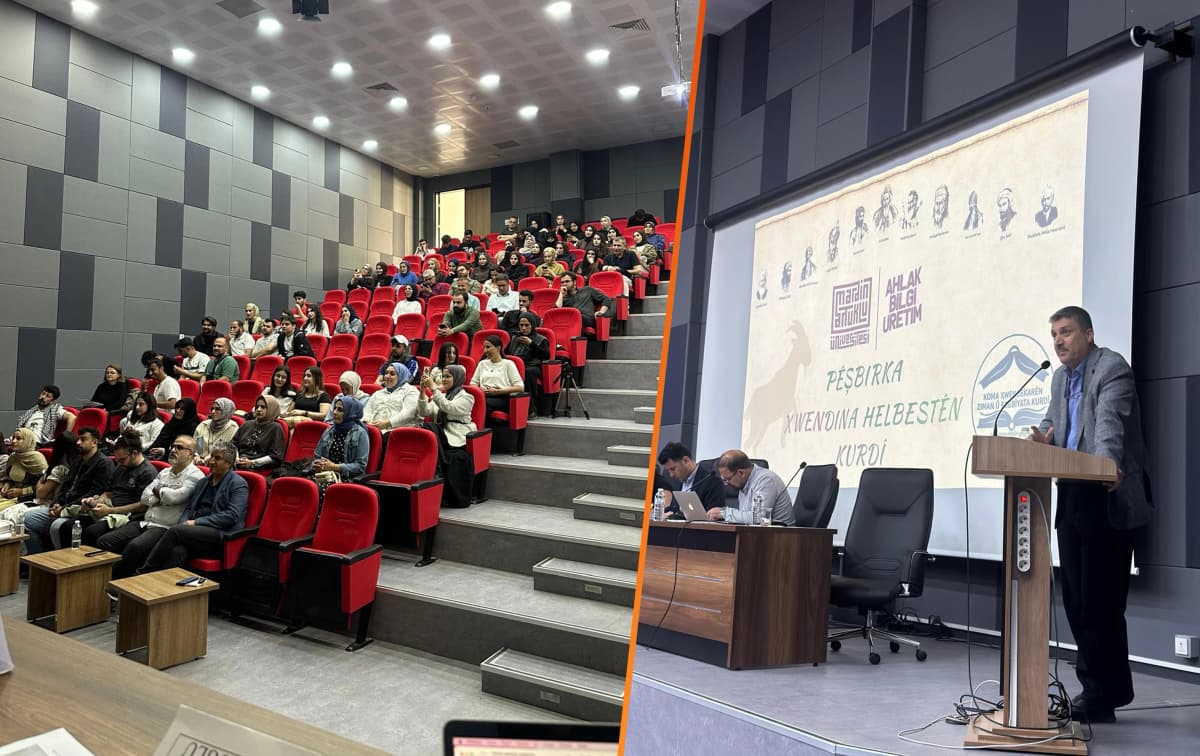
In a significant educational development, approximately 500 students from the Kurdistan Region have enrolled in Kurdish language degree programs at various universities in Turkey for the upcoming academic year. This trend persists even in light of the limited job market for graduates, indicating a strong commitment to education among Kurdish youth.
Kurdish Language Enrollment Trends
Recent statistics reveal that out of the nearly 500 enrollees, 448 students are pursuing bachelor’s, master’s, and doctoral degrees in Kurdish, specifically focusing on the Kurmanji and Zazaki dialects. These enrollments are concentrated across six Turkish universities, with the majority of available places now fully occupied. The data was shared with the media by academic leaders from Kurdish departments in institutions located in Mardin, Diyarbakir (Amed), Mus, Bingol (Cewlig), Tunceli (Dersim), and Van, reflecting a growing interest in Kurdish studies.
This year, the minimum admission scores for these programs have risen, highlighting an increased demand for Kurdish language and literature studies. Faculty members suggest that this surge can be linked to the ongoing peace talks between Ankara and the Kurdistan Workers’ Party (PKK), contributing to a more favorable political climate and a heightened interest in Kurdish heritage.
The Effects of Political Climate on Education
The peace initiative, aimed at creating a “terror-free Turkey,” began gaining traction in late 2024, primarily fueled by a call from Abdullah Ocalan, the imprisoned PKK leader, for the group to disarm. Subsequently, the PKK announced its intention to dissolve, marking a pivotal step toward resolving a conflict that has persisted since 1984 and resulted in significant loss of life. This changing landscape is encouraging families to foster stability through education, as a stable political environment allows them to send their children to university without fear of unrest.
Educators assert that as the situation becomes clearer and calmer, enthusiasm for Kurdish language programs seems to grow. Nevzad Eminoglu, a lecturer at Mus University, noted that the interplay between the political climate and familial desires for stability has led to increased enrollments in Kurdish studies. Families hope for improved job opportunities in the future, spurring interest in these academic paths.
The Historical Context of Kurdish Studies in Turkey
The inception of Kurdish studies within Turkish universities dates back to 2009 with the establishment of the Institute of Living Languages at Mardin Artuklu University. This marked Turkey’s first initiative in higher education to accommodate Kurdish language studies. The following years saw the introduction of similar programs across additional universities, responding to a gradual easing of restrictions around the public use of the Kurdish language.
The introduction of Kurdish as an elective in middle schools in the 2012-2013 academic year was also part of efforts to improve language education. While the formal peace talks in 2013 initially raised hopes, they ultimately faltered two years later, resulting in a resurgence of conflict. Despite these setbacks, emerging opportunities continue to exist for graduates of Kurdish programs, mainly as elective course facilitators in secondary schools.
In conclusion, while the drive for higher education among Kurdish students is commendable, challenges remain evident, particularly concerning employment prospects post-graduation. The Turkish government has earmarked 25,000 teaching positions for 2025, but only a handful are designated for Kurdish-language educators, reflecting the ongoing struggles within the system. Lack of job availability discourages some from continuing their studies after gaining admission, even though interest in Kurdish departments continues to grow amidst evolving political dynamics.