
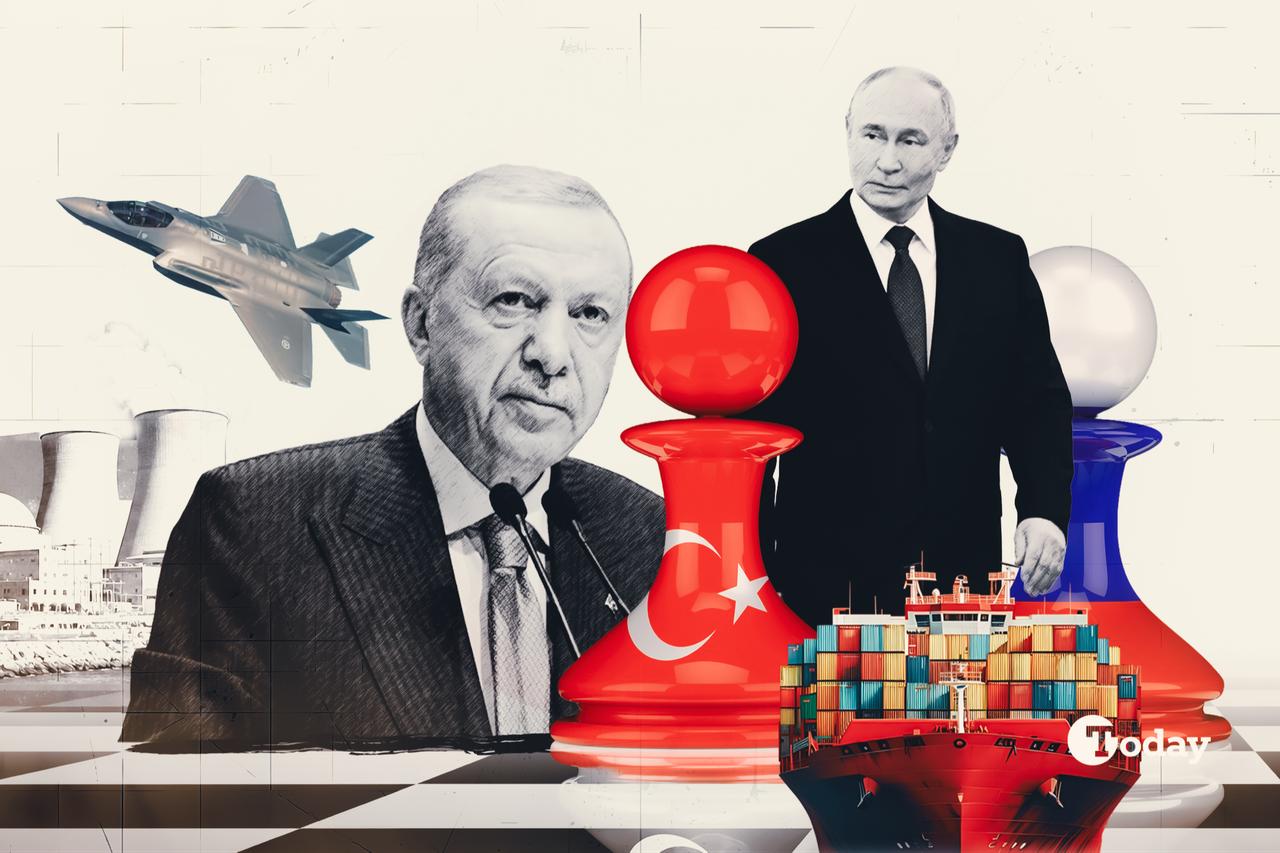
This article delves into the evolving dynamics between Turkey and Russia as seen through recent diplomatic events, particularly the meeting held in Bishkek. As both nations navigate a complex geopolitical landscape, the implications of their relationship resonate on multiple fronts.
Putin’s Diplomatic Standoff with Armenia
In recent discussions, Russian President Vladimir Putin expressed urgency for Armenia to clarify its intentions regarding EU membership. This meeting with Armenian Prime Minister Nikol Pashinyan was marked by tension, wherein Putin conveyed a pressing need for “clarity” in bilateral relations. This indicates Russia’s strategic stance on maintaining control over its neighboring regions while simultaneously navigating its age-old influence over Armenia.
By contrast, Putin’s engagement with Turkish President Recep Tayyip Erdogan revealed a significantly different tone. Their interactions, set against the backdrop of the Shanghai Cooperation Organisation summit on September 1, 2026, encapsulated a diplomatic dance that spoke to shared interests rather than highlighting any underlying tensions. Despite being a NATO member, Turkey’s relationship with Russia remains complicated, especially as Western nations speculate about potential Russian breaches of NATO integrity in the coming years.
Diverse Diplomatic Facades
During the summit, both leaders emphasized economic and tourist partnerships, seemingly downplaying the pressing geopolitical tensions. However, the reality is that bilateral trade is currently stifled by U.S. sanctions, particularly in light of the ongoing war in Ukraine. Turkey’s energy import costs surged significantly due to diminished Russian supplies—a situation exacerbated by its ongoing support for Ukraine.
While Ankara strives to mediate discussions between Russia and Ukraine, Moscow remains resistant. This impasse creates a precarious balance for Turkey, which must navigate ongoing commitments to NATO while seeking cooperation with Russia. The situation in the Black Sea is particularly alarming, as Turkish vessels increasingly find themselves at risk amidst a backdrop of growing military tensions.
The Unspoken Challenges of Energy Dependence
The bilateral relationship faces numerous structural challenges. The unresolved issue surrounding Russia’s S-400 missile systems continues to strain Turkey’s ties with Washington, complicating its defense procurements. Yet amidst these multifaceted challenges, a pivotal development arose during the summit: Erdogan announced potential plans for a second nuclear power plant with Russian assistance.
This announcement is likely to provoke concern in Western capitals, interpreting it as further evidence of Turkey aligning with Russian strategic ambitions. Critics may miss the broader picture: Turkey’s nuclear endeavors are part of a larger strategy focused on technological advancement and energy independence, particularly in light of its growing reliance on artificial intelligence.
Turkey’s energy and digital infrastructures are evolving alongside one another, creating dual capacities crucial for future sustainability. However, it’s uncertain whether this nuclear initiative will be pursued immediately or if Turkey will opt to deepen relations with Russia, which can prove to be a fraught endeavor given the complexities involved.
Future of Turkey-Russia Relations
Both Erdogan and Putin maintain a cordial public relationship, rooted in mutual respect and interdependence. However, significant structural issues loom in their partnership, specifically if political dynamics within Russia remain unchanged. As Turkey continues to assert itself on the world stage, navigating its integration within NATO while forging connections with Russia will be paramount.
The coming weeks and months are crucial for Turkey as it grapples with balancing its geopolitical interests against a backdrop of increasing global volatility. The evolution of their relationship will not only inform the future trajectory of Turkish foreign policy but will also impact regional stability, particularly in light of ongoing tensions in the Middle East and beyond.