
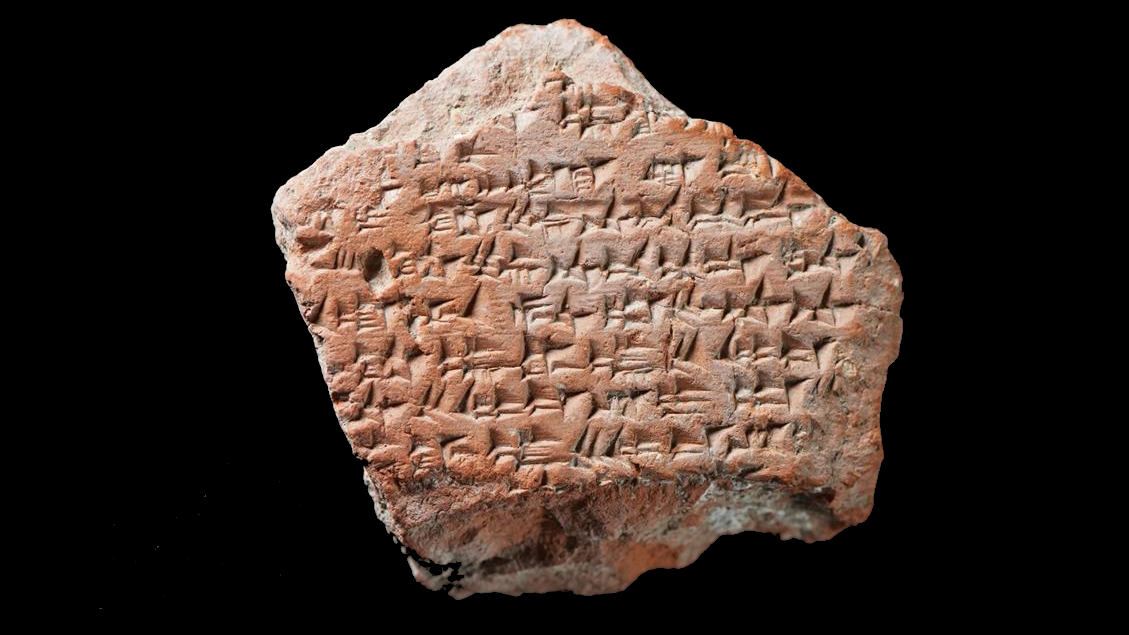
Archaeologists in Turkey have recently unearthed a remarkable 3,400-year-old piece of history: a fragment of the world’s oldest known peace treaty. This find, made public by the Turkish Ministry of Culture and Tourism, contributes significantly to our understanding of ancient diplomacy and conflict resolution.
Understanding the Treaty of Kadesh
The fragment belongs to the Treaty of Kadesh, an agreement believed to have been finalized around 1269 B.C. between Egyptian Pharaoh Ramesses II and Hittite King Hattusili III. Prior parts of this treaty had already been found, but the latest piece was uncovered during ongoing excavations in Hattusha, the ancient capital of the Hittite Empire, located in north-central Turkey. The newly discovered cuneiform tablet includes a section detailing the treatment of refugees, a poignant reminder of the responsibilities tied to human dignity, as stated by Turkey’s Minister of Culture and Tourism, Mehmet Nuri Ersoy.
The Historic Significance of Kadesh
The Treaty of Kadesh is not merely an ancient document; it represents a significant moment of reconciliation following an extended conflict between the ancient Egyptians and the Hittite Empire. The treaty concluded over two centuries of warfare centered on territorial disputes in the eastern Mediterranean. It stands as a remarkable example of early diplomatic efforts, often referred to as the world’s first peace treaty despite not mentioning the earlier Battle of Kadesh directly.
The treaty’s historical importance lies in its dual preservation methods—inscriptions in two locations, including hieroglyphics in Thebes and Akkadian cuneiform at Hattusha. This document emphasizes both the mutual brotherhood between the two leaders and their commitment to peace, proclaiming that Egypt and Hatti would always exist in a state of fraternity.
Provisions and Refugee Treatment
The treaty not only establishes a framework for peace but also outlines stipulations for the treatment of refugees—an aspect that speaks to the humanitarian ethos of the time. It lays down the rules governing refugees from Egypt seeking asylum in Hittite territory and vice versa, underlining the obligation each state has to protect those displaced. Notably, it expressly forbids the punishment of refugees, illustrating a progressive understanding of humane treatment in the ancient world.
The fragment contains evocative language regarding these restrictions, specifying that no inhumane punishments should befall refugees, such as mutilation or destruction of property. Such provisions highlight the treaty’s comprehensive approach to human rights, something for which ancient societies frequently did not account.
Current Relevance and Legacy
Today, the legacy of the Treaty of Kadesh extends beyond archaeology; its principles resonate within modern diplomatic discussions and international law. A copper replica of the treaty is prominently displayed in the United Nations Conference Building, symbolizing enduring values like peace, mutual assistance, and territorial integrity. As the U.N. notes, the pledges in this ancient document align closely with contemporary aspirations for global harmony.
In conclusion, the discovery of this treaty fragment is more than an archaeological milestone; it presents an opportunity to reflect on the long-standing human dedication to diplomacy and peace. As excavations continue at Hattusha, there may yet be more insights waiting to be uncovered, further enriching our understanding of ancient civilizations and their approaches to governance and human rights.