
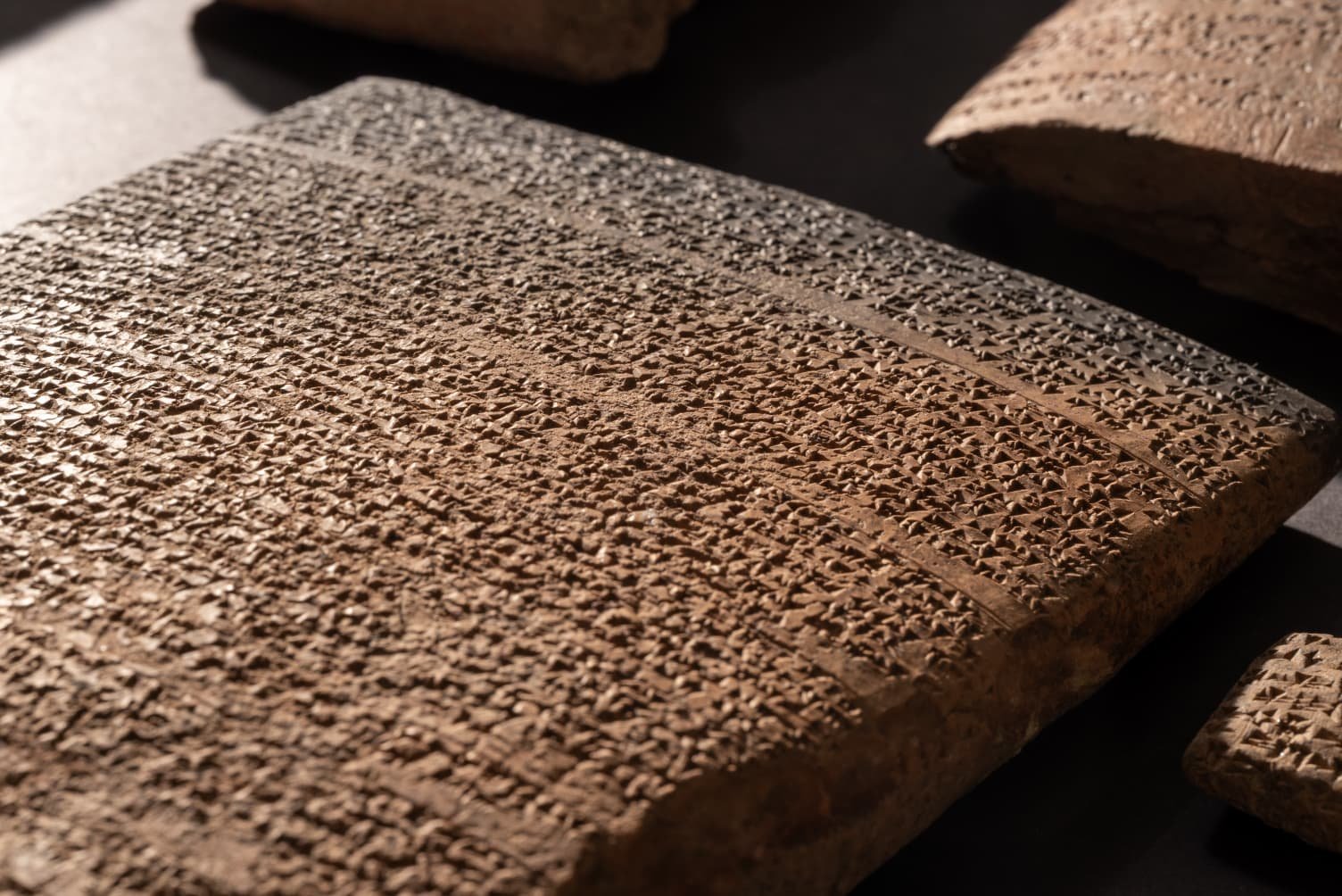
A remarkable archaeological discovery in Türkiye has unveiled a 3,400-year-old royal archive belonging to the Hittite civilization. This find offers an extraordinary glimpse into ancient history, showcasing personal accounts of a deadly epidemic, the untimely death of a young princess, and urgent military communications. This archive serves not only as a historical document but also sheds light on the deeply emotional experiences of a royal family during a time of great distress.
Unearthing the Hittite Archive
The recent excavation at the site known as Samuha has led to a trove of cuneiform tablets that tell compelling stories from the Hittite Empire. These artifacts were uncovered by a team of archaeologists who have dedicated their efforts to exploring the remnants of one of history’s significant civilizations. The tablets contain various topics, including administrative orders, correspondence with vassal states, and hints of cultural practices. These findings elevate our understanding of the socio-political dynamics that shaped the ancient Near East.
Among the most poignant narratives within the archive is that of a devastating epidemic that swept through the region. Letters recount the catastrophic impact of the illness, which not only caused numerous fatalities but also forced royal families to grapple with loss and mortality. This reflects the human side of history, offering a poignant reminder that even powerful dynasties were not immune to the vulnerabilities of life.
The Tragic Fate of a Young Princess
Another significant aspect of the tablets is the mention of an infant princess who tragically succumbed during this period of turmoil. The grief expressed in the letters signifies the profound weight of loss felt by the royal family, capturing an emotional depth that resonates through time. This narrative also underscores the importance of lineage and heirs in Hittite culture, where the survival of royal bloodlines was of paramount concern.
In addition to personal loss, the royal archive contains urgent messages appealing for military support during a time of instability. These communications reveal not only the external threats faced by the Hittites but also their relationships with neighboring states. Such diplomatic correspondence demonstrates the complexity of alliances and rivalries that defined the ancient geopolitical landscape.
Significance of the Discovery
The discovery of this Hittite royal archive significantly enriches our comprehension of ancient civilizations. Cuneiform tablets have always been valuable for historians and archaeologists, but this particular cache provides unique insights into the interplay of personal and political narratives. Analyzing these messages allows scholars to piece together the emotional and procedural context that framed everyday life in the Hittite Empire.
The implications of these findings extend beyond mere knowledge; they offer an opportunity for cultural tourism and education. By sharing these heart-wrenching stories with the public, archaeologists hope to foster a deeper appreciation for the ancient civilizations that shaped our world. As research continues and more artifacts are uncovered, we can look forward to further revelations that may challenge or reaffirm our understanding of human history.
In conclusion, the Hittite royal archive represents a significant breakthrough in archaeology, connecting us with the past in ways that are both profound and deeply human. As scholars sift through the wealth of information contained within these tablets, we are reminded that history is not just a timeline of events, but a tapestry of stories that speak to the resilience and fragility of the human experience.