
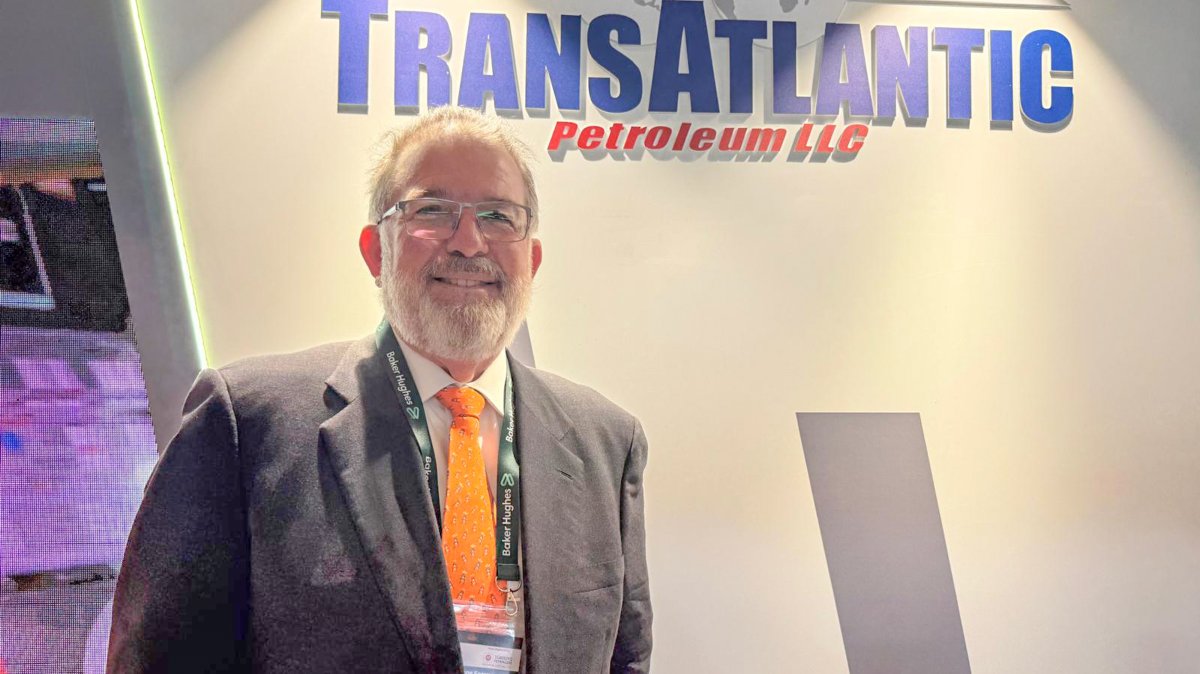
Türkiye’s southeastern Diyarbakır Basin has significant potential for oil and gas production that could substantially impact the country’s energy landscape. According to Malone Mitchell III, the CEO of TransAtlantic Petroleum, this region could yield up to 250,000 barrels of oil per day (bpd), contributing significantly to Türkiye’s energy needs.
Impact on Türkiye’s Oil Consumption
Currently, Türkiye consumes approximately 1 million barrels of oil daily. If predictions hold true, the Diyarbakır Basin’s output could satisfy about one-quarter of the nation’s demand. Additionally, it is estimated that the basin could generate around 25 million cubic meters of natural gas daily, further bolstering Türkiye’s energy supply.
Mitchell stated that while the complete potential of the Diyarbakır Basin is challenging to quantify, it is likely to host more wells than the total number currently operational across Türkiye. He envisions a gradual increase in output, reaching what he considers a “mature running level” over the first five years. This projection suggests a broader trend of unlocking unconventional oil and gas resources within Türkiye, particularly in this basin, which is a focal point for exploration alongside the Thrace Basin in the northwest.
Collaboration and Future Developments
Last year, TransAtlantic Petroleum entered a joint venture with the Turkish Petroleum Corporation (TPAO) and Oklahoma-based Continental Resources to explore unconventional opportunities in the Diyarbakır Basin. Preliminary studies conducted by the Energy and Natural Resources Ministry and Continental Resources indicate that the basin may contain up to 6.1 billion barrels of oil.
Alparslan Bayraktar, the Minister of Energy and Natural Resources, highlighted that the basin spans around 7,000 square kilometers. Plans are underway to drill 24 wells as part of a horizontal drilling initiative over the next three years. Horizontal drilling can optimize oil extraction while reducing the environmental impact, as each rig can potentially produce as much as four to five vertical wells.
As developments unfold, Mitchell forecasts significant activity in the basin within the next five years. “We will probably see 25 rigs drilling in the unconventional,” he remarked, emphasizing the advantages of modern drilling techniques for efficient resource utilization.
Geopolitical Importance and Stability
Mitchell emphasized Türkiye’s strategic location as a vital energy corridor, especially in light of recent geopolitical tensions that have reshaped global energy dynamics. The ongoing conflict in Ukraine and disruptions in other regions have heightened Türkiye’s importance as a stable energy hub.
Drawing from nearly two decades of experience, Mitchell pointed out that Türkiye presents a reliable environment for international investors. He underscored the effectiveness of the country’s legal and regulatory frameworks, making it an appealing destination for energy investments.
This focus on stability positions Türkiye as an attractive center for regional energy operations. While the country may not have the most extensive natural resources, its political stability offers a unique advantage, enabling companies like TransAtlantic Petroleum to expand their influence.
The Joint Venture’s Strategic Focus
While exploring opportunities in other regions, Mitchell stresses that the collaboration with TPAO remains TransAtlantic’s highest priority. This partnership represents a significant global opportunity, compelling the company to streamline its other activities for maximum effectiveness.
“Right now, the joint venture with Turkish Petroleum is probably the top opportunity we have worldwide,” he said, highlighting the potential for further collaboration in the future. Successful outcomes in the Diyarbakır Basin could pave the way for deeper partnerships and innovative projects that could reshape Türkiye’s energy landscape.
The progress in the Diyarbakır Basin is promising. As developments take shape, a new era of energy production may be on the horizon, transforming Türkiye’s role in both regional and global energy markets.