
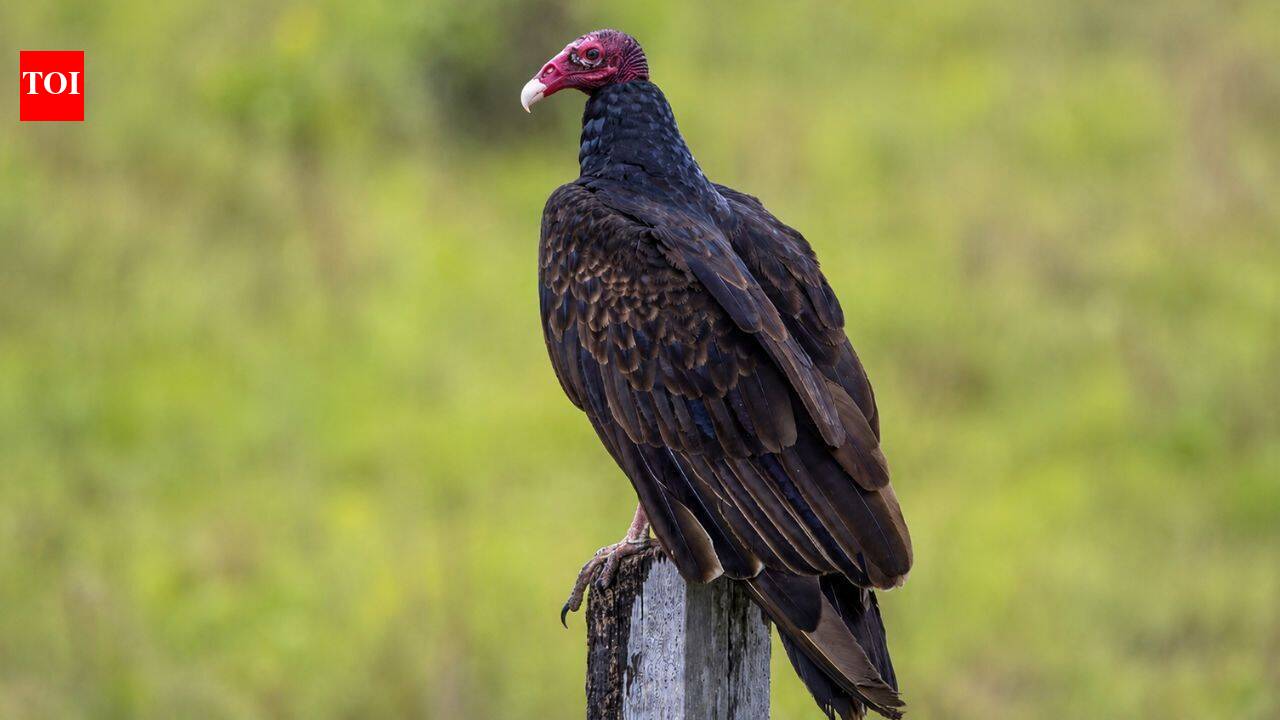
Turkey vultures are remarkable birds that play a vital role in maintaining the balance of nature. While many may overlook their contributions, these scavengers employ several unique survival strategies that help them thrive in their ecosystem. Using adaptations that may seem peculiar at first glance, Turkey vultures effectively clean up their environment while safeguarding their health.
The Remarkable Digestive Power of Turkey Vultures
One of the most notable features of Turkey vultures is their exceptional digestive system, which allows them to consume carrion safely. Decomposing animals are often teeming with harmful pathogens, but the vulture’s highly acidic stomach can neutralize many of these threats. According to the NatureMapping Foundation, Turkey vultures have a keen ability to locate dead animals, a skill that includes detecting scents that other birds may miss. This olfactory advantage enables them to find hidden carrion, ranging from small mammals to large livestock.
Once they’ve acquired their meal, the Turkey vulture’s stomach acid goes to work. The Arizona-Sonora Desert Museum emphasizes that this corrosive environment effectively destroys dangerous bacteria dwelling in the decomposing meat. Thus, while other species might fall ill from such a diet, Turkey vultures remain unscathed. As they consume and dispose of animal remains, they act as “sanitation engineers” in nature, preventing potential health hazards for other wildlife and humans alike.
Defense Mechanisms: Vomiting and More
Turkey vultures also exhibit unconventional defense tactics when threatened. As reported by the NatureMapping Foundation, these birds have been known to regurgitate their latest meal to deter potential predators. This regurgitation can reach distances of up to 10 feet. An interesting aspect of this behavior is that it’s not exclusive to adult vultures; younger ones will also resort to vomiting if they sense danger near their nest.
The purpose of this unpleasant tactic is twofold. Firstly, expelling a meal lightens the bird, making it easier to escape from threats quickly. Secondly, the vomit can act as a repellent, discouraging predators from pursuing them. Turkey vultures tend to avoid confrontation but can defend themselves effectively when necessary, thanks to this unusual strategy.
Temperature Regulation Through Defecation
In addition to their unique feeding and defense strategies, Turkey vultures adopt another peculiar behavior during hot days: defecating on their own legs. NatureMapping Foundation explains that this action helps cool them down. As the moisture evaporates, it carries excess heat away from their bodies, providing essential temperature regulation.
Moreover, the uric acid present in their excrement serves a dual purpose, potentially killing off bacteria and parasites on their legs. What might seem odd to an observer is, in fact, an effective method for both staying cool and maintaining hygiene in an environment filled with decaying matter.
The Role of Turkey Vultures in Ecosystems
Despite their less-than-glamorous reputation compared to soaring eagles or swift hawks, Turkey vultures are indispensable to their ecosystems. They consume what others avoid, making them essential for natural recycling. NatureMapping notes that these birds often gather in large communal roosts, varying from a handful to thousands, reinforcing their social nature.
Furthermore, their “horaltic pose,” where they spread their wings wide, helps dry their feathers and reduce bacterial growth. Although their habits may appear alarming, Turkey vultures are performing a crucial service by breaking down carcasses and eliminating potential disease sources.
In exploring the intriguing life and habits of Turkey vultures, we are reminded of nature’s intricate web of relationships. Through their effective scavenging techniques, these birds play a critical role in keeping ecosystems healthy and balanced.