
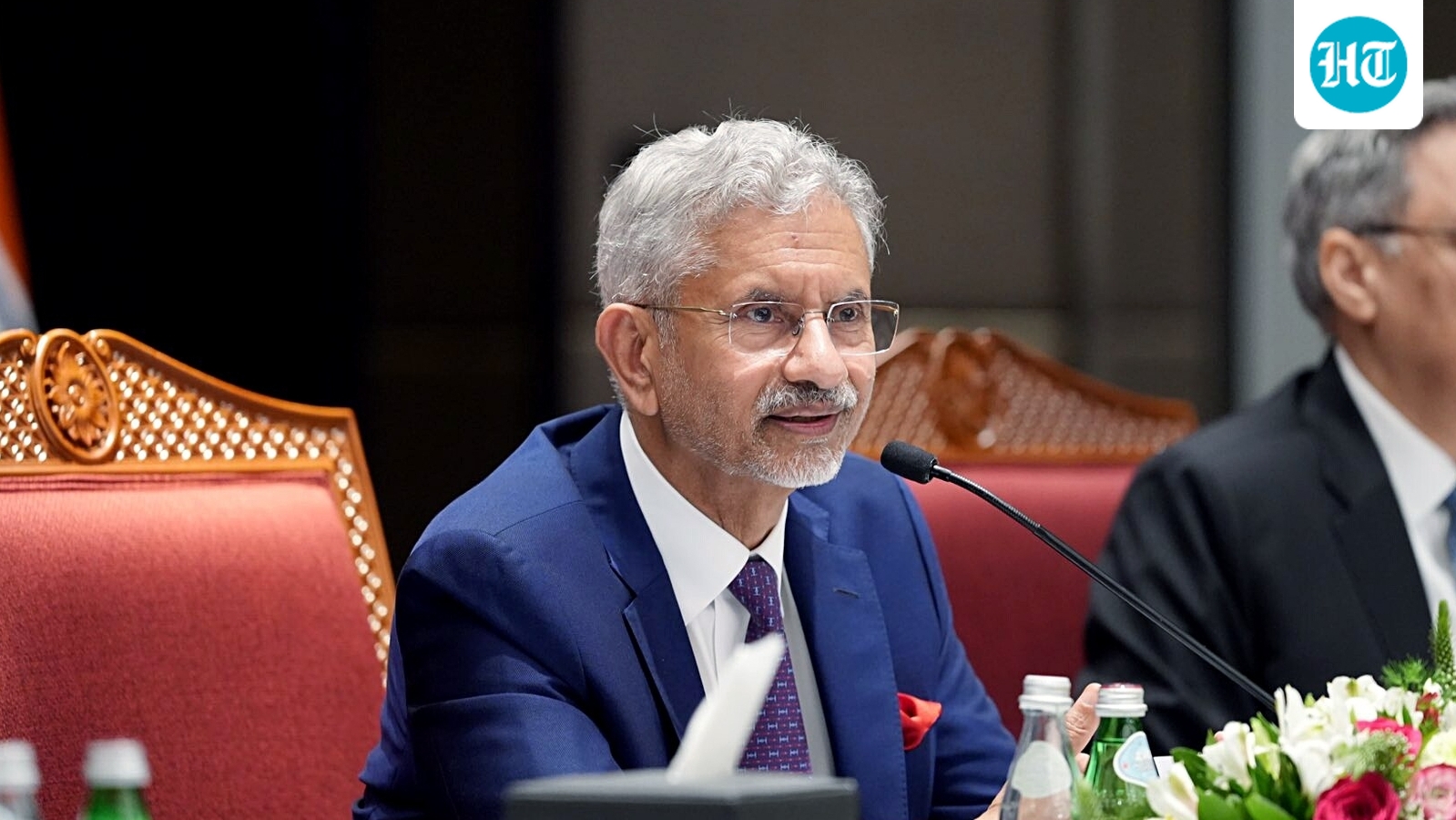
India’s External Affairs Minister, S. Jaishankar, has recently dismissed the significance of the Mecca Joint Defence Agreement signed by Pakistan, Saudi Arabia, and Türkiye. He expressed skepticism about the agreement’s relevance, particularly given the “live military situations” that each of the signatory nations is currently navigating. This analysis indicates India’s broader perspective on defense and security in a rapidly evolving geopolitical landscape.
Evaluating the Mecca Joint Defence Agreement
The Mecca Joint Defence Agreement was formalized on August 7 following discussions among the leaders of the three countries—Pakistan Prime Minister Shehbaz Sharif, Saudi Crown Prince Mohammed bin Salman, and Turkish President Recep Tayyip Erdogan. A joint statement released by the countries emphasized the pact’s foundation on shared strategic interests and long-standing defense collaborations. According to the statement, the agreement aims to enhance collective deterrence against any acts of aggression, suggesting that an armed attack on any one nation would be regarded as an attack on all three.
While Jaishankar acknowledged that India would incorporate this agreement into its security considerations, he questioned its practical impact in the context of ongoing military challenges faced by the involved states. He articulated that developments involving countries that do not harbor friendly relations with India must be factored into the nation’s security calculus, implying that complexities surrounding international relations are paramount for India’s strategic planning.
India’s Position on National Security
The Ministry of External Affairs (MEA) has been closely analyzing the implications of the Mecca Joint Defence Agreement on India’s national security and regional stability. Spokesperson Randhir Jaiswal stated during a media briefing that the assessment is ongoing, particularly within the context of the evolving West Asia conflict. This careful evaluation aims to ensure that India remains prepared to address any potential repercussions that could emerge from the agreement among its neighboring nations.
Jaishankar has also conveyed that all actions taken by adversarial states play a crucial role in shaping India’s strategic decisions. His comments highlight a proactive approach in anticipating threats and challenges posed by nations that may not share India’s interests.
Pakistan’s Role and Use of Terrorism
In discussing regional dynamics, Jaishankar pointed out that Pakistan has a “unique” approach to utilizing terrorism systematically as a method to exert pressure on its neighbors. This assertion underscores the intricacies involved in countering the threats posed by Pakistan, a nation that, according to the minister, employs these tactics with a level of consistency not observed elsewhere in the world.
While responding to inquiries regarding Pakistan’s relationship with the United States, he acknowledged the longstanding ties between the two nations. Yet, he emphasized that the context of these relations has shifted, and now India must focus on strengthening its own strategic partnership with the U.S. as it navigates its security landscape.
Insights on India-China Relations
Jaishankar also addressed the challenges facing India-China relations, highlighting the necessity for both nations to maintain a stable relationship while recognizing that border situations will significantly influence overall diplomatic ties. He noted that China industrialized at a quicker pace, allowing it to capitalize on opportunities that India missed over the past several decades.
Acknowledging the competitive global market, Jaishankar stressed the importance of establishing India’s strengths while engaging with nations, including China. He maintained that despite the complexities in bilateral relationships—especially following the 2020 Galwan Valley incident—India must continue to pursue economic engagement while asserting its position.
In summary, Jaishankar’s remarks reflect India’s calculated response to new geopolitical agreements while reaffirming its strategic commitments in a multidimensional defense landscape. As India navigates its positions on international security, the focus will remain on evaluating threats and enhancing resilience within the region.