
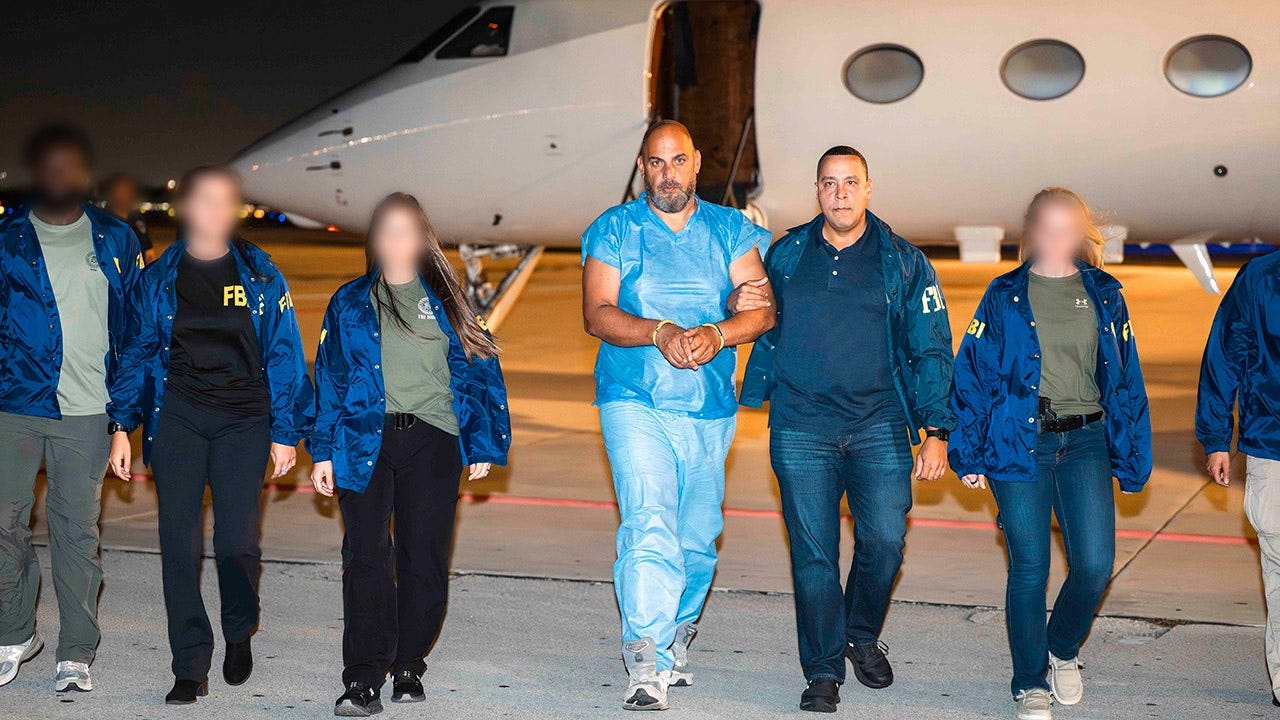
A recent success for U.S. law enforcement came as authorities detained Ibrahim Khaldoon Hilmi, a fugitive linked to one of the most extensive Medicare fraud schemes in American history. Accused of orchestrating a staggering $3.7 billion fraud operation, Hilmi was captured in Turkey after fleeing the U.S. in May 2025. This event underscores ongoing efforts by the FBI and the Department of Justice to bring financial criminals to justice, showcasing their commitment to safeguarding taxpayer funds.
International Pursuit of Fraud Suspects
The apprehension of Hilmi highlights a significant international cooperation between the FBI and Turkish officials. Once Turkish authorities detained him, the FBI’s Critical Incident Response Group swiftly organized his transfer back to the United States. This operation reflects an increasing trend in international law enforcement collaborations aimed at tackling serious financial crimes that transcend borders. Such commitments are crucial in addressing fraud that exploits public resources and undermines trust in government systems.
FBI Director Kash Patel expressed his satisfaction with the operation, labeling it a “major victory” against those accused of defrauding taxpayers. He indicated that Hilmi’s arrest marks a critical step in holding accountable those who engage in large-scale fraud schemes. Patel stated, “Hilmi has been on the run since May 2025 — but we got him.” This sentiment conveys the message that no matter how far criminals try to escape, dedicated law enforcement agencies will pursue justice.
The Fraudulent Scheme and Its Impact
Ibrahim Khaldoon Hilmi is charged with masterminding a fraudulent operation that allegedly defrauded Medicare of an estimated $3.7 billion. Such schemes can have detrimental implications on public health programs, diverting funds meant for legitimate healthcare services to criminals. Authorities are increasingly vigilant in identifying and prosecuting those involved in such schemes, reflecting a broader initiative to protect Medicare and similar taxpayer-funded programs.
Hilmi’s case is not isolated. Just days prior, the FBI successfully brought back Herbert Kimble, another fugitive accused of a $1.2 billion Medicare fraud scheme. Collectively, these cases represent nearly $5 billion in fraudulent activity targeting vital taxpayer-funded healthcare systems. The urgency to address these crimes has amplified as the financial stakes continue to grow, prompting law enforcement agencies to enhance their strategies and collaborations.
Commitment to Justice and Accountability
Patel emphasized that the capture of Hilmi reflects an unwavering resolve within the FBI to ensure accountability among fraud suspects, regardless of their location. The successful cooperation with international partners demonstrates the effectiveness of global law enforcement efforts in combating financial crime. This case serves as a reminder for all potential fraudsters that evasion is futile; the long arm of the law will eventually catch up with them.
The Biden administration has shown a strong commitment to fighting fraud against American taxpayers, marking a significant focus on criminal justice related to financial fraud. With ongoing efforts from various federal agencies, including the Department of Justice and cooperative international law enforcement strategies, the message is clear: fraudulent actors should expect relentless pursuit and substantial consequences for their actions.
In conclusion, the capture of Ibrahim Khaldoon Hilmi not only signifies a significant law enforcement achievement but exemplifies the importance of protecting taxpayer funding from exploitation. The collaborative efforts reinforce a strong stance against healthcare fraud, vowing to pursue justice relentlessly.