
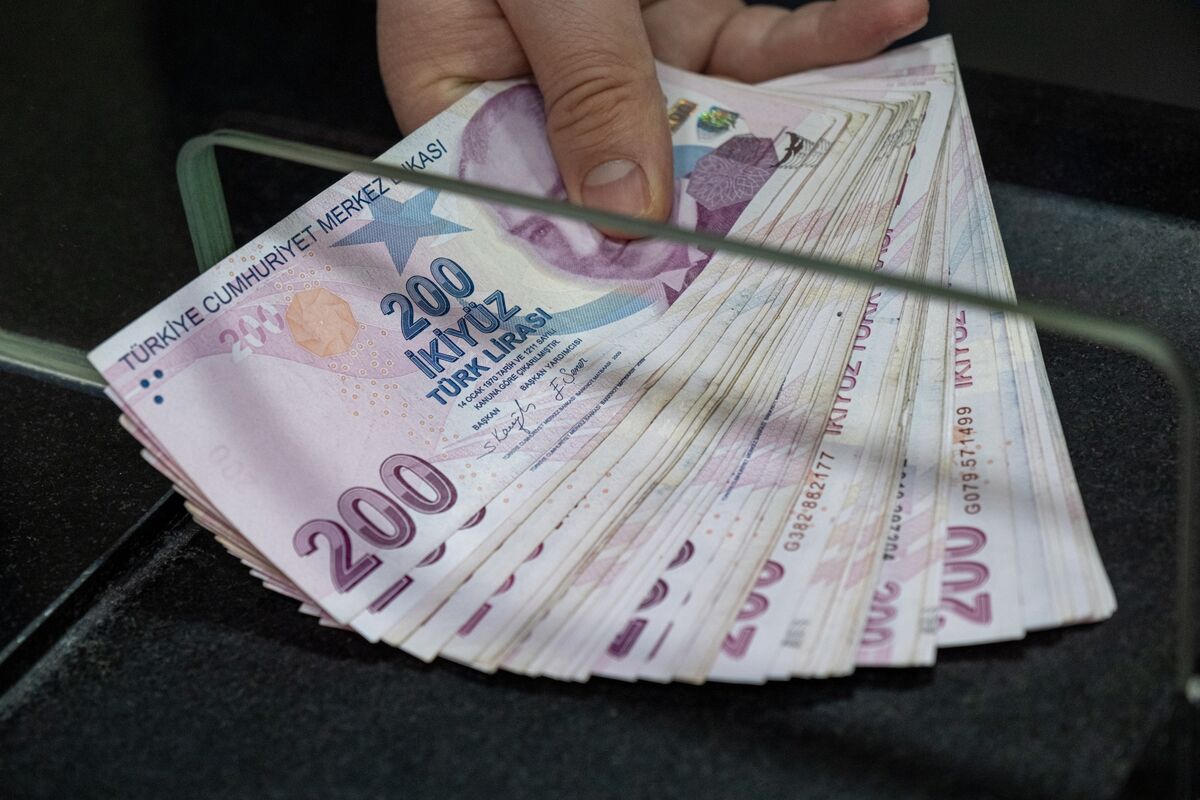
Goldman Sachs economists have forecasted that Turkey will permit a quicker decline in the lira’s value, placing a greater emphasis on stabilizing the country’s external balance as opposed to controlling inflation. This insight sheds light on Turkey’s economic strategy and raises questions about its long-term impacts on the national economy and the global market.
The Economic Context of Turkey’s Lira Depreciation
Turkey has been facing significant economic challenges, including a soaring inflation rate and mounting pressure on its currency. The lira has been under constant threat from both internal and external factors, compelling policymakers to take drastic measures. Allowing the lira to depreciate more rapidly may be seen as a necessary step to enhance Turkey’s external competitiveness. With exports becoming cheaper for global buyers, this strategy could incentivize growth in foreign trade.
However, the decision to rapidly devalue the lira is not without risks. While it may initially bolster exports, a weaker lira can lead to higher import costs, feeding into inflation. The balance between stimulating economic growth and controlling inflation is a tightrope that Turkish policymakers must navigate carefully. Consequently, the focus on stabilizing the external balance may lead to short-term hardships for consumers and businesses that rely on imported goods.
The Potential Benefits of a Weaker Lira
Despite the challenges, a depreciating lira could have several positive effects for Turkey’s economy. For one, it can help improve the country’s trade balance by making exports more attractive on the global stage. As local products become less expensive for foreign markets, Turkey may see an uptick in export volumes. Moreover, foreign investments could increase if investors perceive the depreciated currency as an opportunity to enter the Turkish market at a lower cost.
Investment attraction is vital for Turkey, considering its historical volatility in the financial markets. The government’s strategy of encouraging export growth through a weaker currency could be a calculated move to stabilize the economy in the face of mounting inflation. However, it’s crucial that such policies are implemented in concert with other measures aimed at boosting productivity and overall economic health.
The Risks Associated with Currency Depreciation
On the downside, the implications of a rapid devaluation of the lira include potential economic instability. If not managed properly, the situation may deteriorate, leading to a cycle of inflation that could jeopardize any gains made through increased exports. Confidence in the lira, and by extension, in Turkey’s economy, could also waver, leading to capital flight as investors look for more secure environments for their assets.
Furthermore, the everyday consumer may feel the consequences of a depreciated currency through rising prices for imported goods and services, creating discontent and potentially fueling social unrest. Hence, while a more rapid depreciation of the lira can serve to realign Turkey’s economic position, it presents a series of complex challenges that require astute management.
In summary, as Goldman Sachs predicts a strategic decision by Turkey to accelerate the depreciation of the lira, the focus shifts to the broader implications of this approach for the economy. While the potential benefits in the form of increased exports and foreign investment are noteworthy, the associated risks cannot be overlooked. Moving forward, policymakers will need to strike a careful balance to ensure economic stability while reaping the rewards of a weaker currency.