
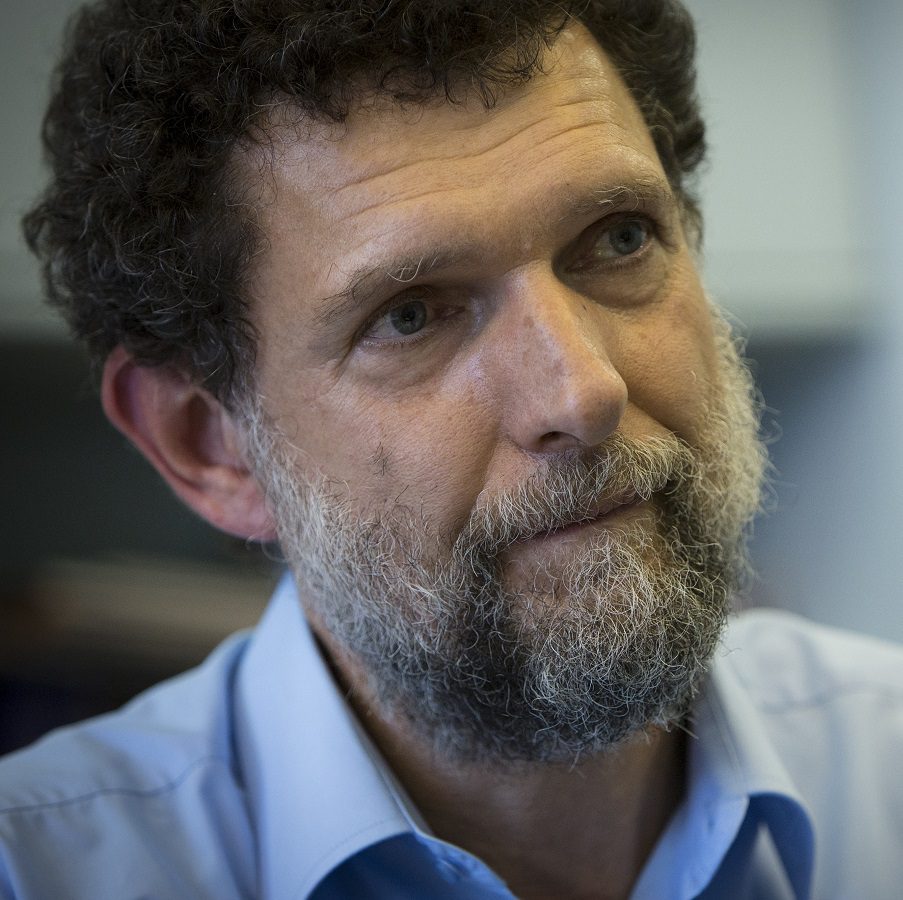
This week, the Grand Chamber of the European Court of Human Rights (ECtHR) issued a significant ruling concerning Turkish human rights advocate Osman Kavala. This decision highlighted the questionable actions of Turkish authorities, determining that Kavala has been unjustly imprisoned for nearly nine years due to a trial based on political motives. The court declared his criminal conviction as invalid and demanded his release; however, given Turkey’s previous disregard for court orders, this outcome remains uncertain.
Consequences of Judicial Manipulation
Kavala’s case underscores the alarming trend of using the judiciary as a tool to suppress dissent. Initially detained in 2017 during the controversial “Gezi Park trial,” he and his co-defendants were acquitted in February 2020. However, the judges involved faced harassment, and Kavala was swiftly confronted with new charges built on the same flimsy evidence. Despite a lack of substantive proof from the prosecution, he was sentenced to life imprisonment in April 2022 after enduring over four years in custody. This scenario illustrates a broader climate of repression targeting dissenters in Turkey, as conveyed by Stefan Simanowitz from Amnesty International, who emphasized the ongoing authoritarian crackdown against political opposition and civil society.
A Widespread Culture of Fear
Others in Turkey are similarly facing unjust legal actions. Prominent figures like Selahattin Demirtaş and Figen Yüksekdağ, both former leaders of the Peoples’ Democratic Party, remain imprisoned despite explicit ECtHR directives for their release. Notably, Taner Kılıç, Amnesty Türkiye’s Honorary Chair, and the “Istanbul 10” human rights defenders were subjected to baseless allegations of terrorism. Although they were eventually acquitted, the lasting impact of their ordeal continues to reverberate throughout Turkish civil society.
The deterioration of human rights in Turkey is not a recent development; it has intensified significantly over the years. The aftermath of the coup attempt a decade ago marked the beginning of this regression, causing critical institutional failure and systematic silencing of dissenting voices. Legislative measures introduced during this state of emergency have strengthened the government’s grip, embedding repressive tactics into standard law while disregarding international human rights obligations.
International Response and Future Implications
In the lead-up to significant events like the NATO summit in July, mass arrests and unlawful detentions continued, revealing the state’s unyielding assault on civil liberties. The violation of rights to peaceful assembly and expression has become routine, with law enforcement employing excessive force against nonviolent protesters.
As we commemorate over ten years since the failed coup and the Gezi Park protests, the stark shift toward authoritarianism in Turkey raises pressing concerns. The ECtHR’s insistence on Kavala’s release serves as a critical litmus test for human rights adherence in the region. The Council of Europe must act decisively to ensure compliance with the court’s ruling; otherwise, the credibility of the European human rights framework stands to be significantly undermined.
In conclusion, the situation in Turkey necessitates concerted efforts from both the government and international stakeholders to reverse the alarming trend of deteriorating civil liberties. The case of Osman Kavala not only encapsulates the struggles faced by human rights defenders in Turkey but also poses a challenge to the European human rights system. As the implications of Turkey’s actions unfold, it is essential for governments and organizations to unite in safeguarding fundamental rights and freedoms.