
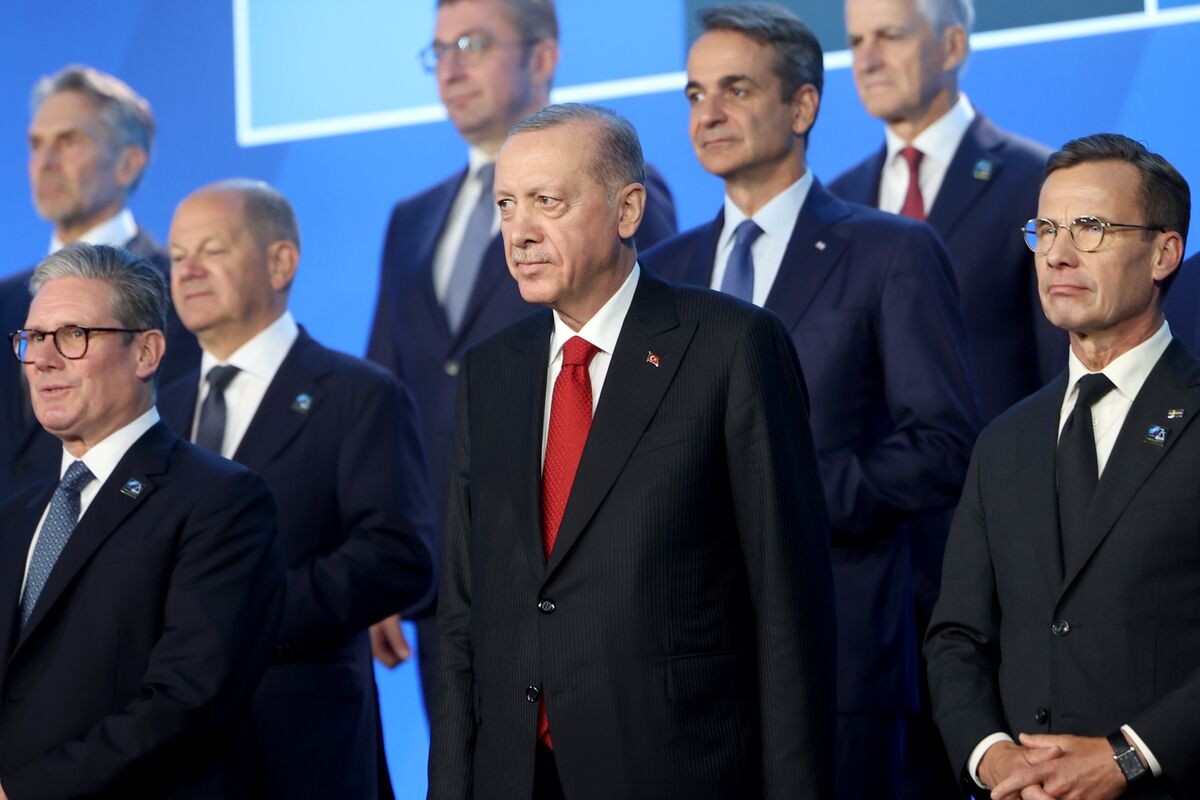
The recent conflicts in Ukraine and Iran have underscored the significant military and diplomatic power held by Western nations. These situations have shed light on the necessity for cohesive international alliances and the strategic importance of maintaining strong defense capabilities.
Strengthening Alliances in Times of Crisis
Recent events have amplified the importance of robust alliances among Western countries. The ongoing war in Ukraine has elicited a response from NATO, illustrating the critical role of collective defense in safeguarding sovereignty and promoting stability. As countries assess their military strategies, it becomes evident that a united front is essential in the face of aggression. This unity not only deters potential adversaries but also reinforces the geopolitical landscape.
Moreover, the situation in Iran has further emphasized the need for a coordinated approach. Diplomatic efforts aimed at curbing Iran’s influence have become paramount. Western allies are strategizing to counteract threats and stabilize the region. Through collaborative diplomacy, nations can project strength and deter any moves that would undermine global security.
The Role of Military Capabilities
Military preparedness is vital in validating diplomatic efforts. The conflicts in Ukraine and Iran have highlighted the investment required in defense infrastructure and readiness. The wars demonstrate that possessing advanced military technology and a trained ready force can serve as both a deterrent and a tool for enforcement in international relations. As a result, Western nations are reevaluating their defense budgets, prioritizing modernizing their forces, and ensuring that they are equipped to respond to both conventional and unconventional threats.
Moreover, military exercises and joint operations among Western allies have become increasingly important. These activities not only enhance interoperability but also serve as practical demonstrations of commitment to mutual defense. The reassurance provided through visible military cooperation helps to bolster strategic alliances, ensuring that potential threats are met with a unified and prepared response.
Diplomatic Efforts and Long-term Strategy
While military might is crucial, diplomatic discussions remain the backbone of international stability. As nations navigate complex relationships, dialogue can pave the way for conflict resolution and understanding. The involvement of Western allies in diplomatic negotiations regarding Ukraine and Iran reflects a commitment to finding peaceful solutions, even amidst escalating tensions.
Additionally, long-term strategies focus on fostering regional partnerships that can sustain influence and promote stability. These partnerships play a significant role in building trust and cooperation. Investing time and resources in diplomatic relations can provide the groundwork necessary for more robust responses to future conflicts, ensuring that Western allies remain resilient.
The unfolding situations in Ukraine and Iran serve as a catalyst for reflection and action among Western nations. As they confront these challenges, the focus on military readiness and diplomatic unity will be instrumental in shaping a secure world order. By enhancing their collaborations and investing in both defense and diplomacy, Western allies reaffirm their position as pivotal players in global affairs.