
Human Rights Watch (HRW) has urged the U.S. Congress to block a controversial arms transfer of cluster munitions from Türkiye to Ukraine, highlighting significant humanitarian concerns. The proposed transfer reflects a complex intersection of military needs and safety risks, especially for civilians affected by ongoing conflicts.
Concerns Over Cluster Munitions
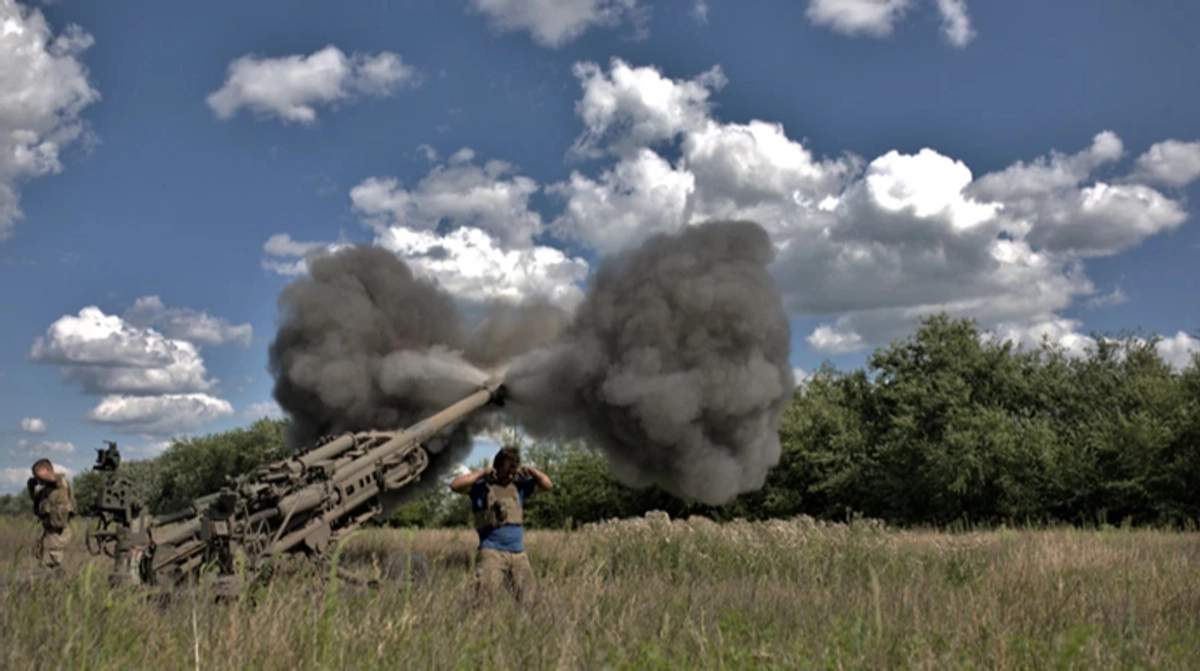
On August 11, 2026, HRW formally requested that Congress intervene against the transfer of outdated cluster munitions from Türkiye’s extensive stockpiles to Ukraine. This transfer is reported to include numerous components such as 12 M270 launchers, 70 M39 ATACMS ballistic missiles, and over 47,000 artillery shells containing millions of submunitions. HRW notes that many of these munitions have been in storage for over three decades, raising concerns about their reliability. Some of these submunitions may not function correctly, potentially posing long-term dangers to civilian populations after active hostilities have ceased.
HRW’s deputy Washington director, Nicole Widdersheim, emphasized the grave risk of introducing unreliable weaponry into a conflict zone. She stated, “Dumping obsolete cluster munitions into a conflict creates a humanitarian liability for civilians that is tragically foreseeable.” This statement succinctly captures the organization’s stance on the indiscriminate nature of cluster munitions, which can scatter explosives over wide areas, increasing the risk of civilian casualties not only during their deployment but also indefinitely afterwards.
The U.S. State Department’s Position
In response, the U.S. State Department has expressed its support for the transfer, arguing that Ukraine’s need for additional firepower is crucial in its resistance against Russian aggression. According to an official letter to Congress dated August 6, the Department emphasized that Ukraine seeks to acquire these systems to enhance its offensive and defensive capabilities. Notably, the U.S. government has a history of legal restrictions on the export of cluster munitions, dating back to 2009. However, it has authorized transfers on multiple occasions during 2023 and 2024.
The U.S. administration argues that permitting the transfer helps Türkiye relieve itself of older munitions and aligns with its own modernization efforts. However, this rationale has not mitigated the concerns expressed by HRW and other advocacy groups, which continue to stress the potential for civilian harm.
The Broader Context
The use and transfer of cluster munitions are further complicated by international conventions and treaties. The Convention on Cluster Munitions effectively bans the use, production, transfer, and stockpiling of these weapons. However, notable countries like Ukraine, Russia, and the U.S. have not ratified the treaty, complicating the ethical landscape for military exchanges involving these types of munitions.
In past military aid packages, including an $800 million assistance plan announced in July 2023, the U.S. included cluster munitions for the first time. This decision has faced backlash domestically and from international humanitarian organizations, primarily due to the perceived high risk these weapons pose to civilian life. President Biden himself described the choice to transfer cluster munitions as challenging but necessary, citing a critical shortage of artillery shells.
This situation exemplifies the ongoing debates around military aid, civilian safety, and the ethical implications of using outdated munitions in contemporary warfare. As the situation develops, there remains significant scrutiny and advocacy aimed at ensuring that humanitarian concerns are weighed against military necessities. The tension between urgency in military support and the need for ethical responsibility will continue to dominate discussions in Congress and among international observers.