
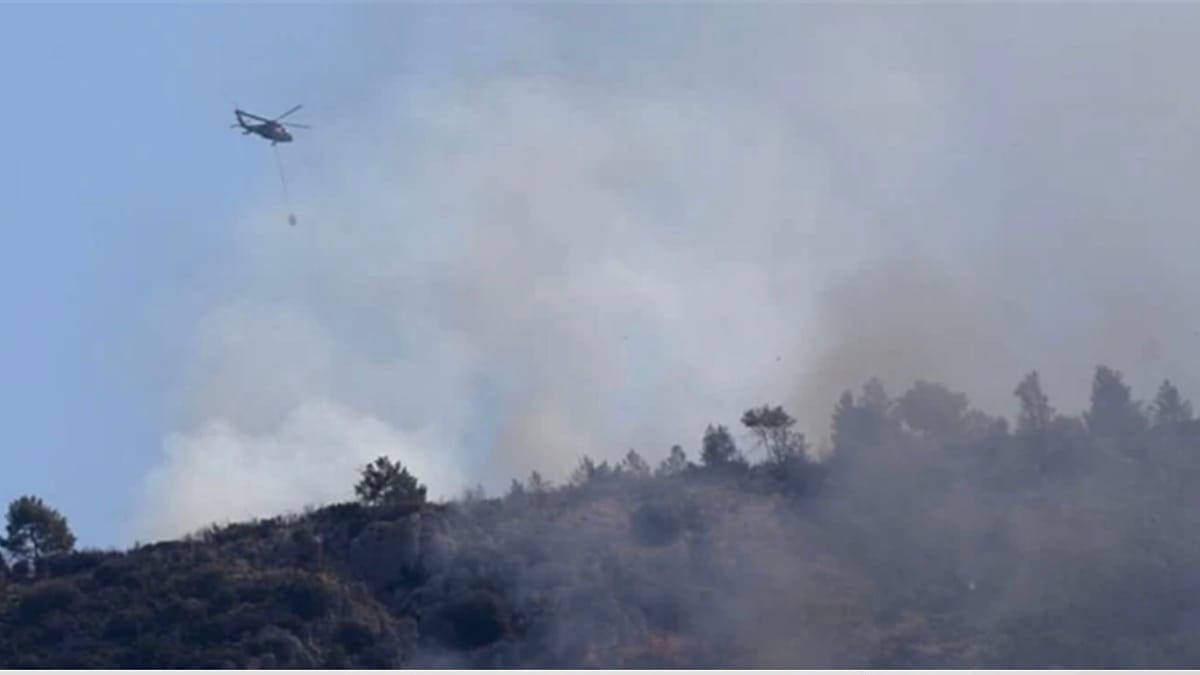
As wildfires continue to wreak havoc across Turkey, the situation has become increasingly dire in regions such as Antalya and Muğla. The combination of extreme heat and dry conditions has led to rampant fires, resulting in evacuations and road closures. The following sections delve into the causes of these wildfires, their impact on local communities, and the response from authorities.
The Causes of Wildfires in Turkey
Wildfires in Turkey have intensified due to a confluence of climatic factors. Prolonged periods of extreme heat, paired with insufficient rainfall, have created the perfect environment for fires to ignite and spread rapidly. In addition to natural causes, human factors also play a significant role. This includes discarded cigarettes, uncontrolled campfires, and deliberate arson. As temperatures soar, the risk escalates, prompting urgent calls for preventative measures.
Evacuations and Safety Measures
In response to the escalating situation, authorities have implemented evacuations in affected areas, particularly in the districts of Kaş and parts of Muğla. Residents and tourists alike have been urged to remain vigilant and follow official guidance. Emergency services are actively working to ensure the safety of individuals, establishing temporary shelters for those displaced by the fires. Local government and fire departments are coordinating their efforts to combat the spreading flames, deploying both ground and aerial resources.
Impact on Local Communities
The repercussions of these wildfires extend far beyond physical destruction. Local communities face emotional and financial strain as homes and livelihoods are threatened. Agriculture, a cornerstone of Turkey’s economy, suffers significantly; crops are destroyed, and farms are left in ruins. Additionally, the tourism industry, vital for many residents in Antalya and Muğla, is adversely impacted. Smoke and burning landscapes deter visitors, creating a ripple effect on local businesses dependent on tourism revenue.
Authorities’ Response and Future Preparedness
In light of the current crisis, Turkish authorities are ramping up their firefighting efforts while working to establish longer-term strategies to prevent such disasters in the future. This includes improved monitoring of fire-prone areas and the establishment of better land management practices to mitigate the risk. Furthermore, education campaigns that inform the public about fire safety and prevention are being intensified. By promoting awareness and fostering community involvement, officials hope to reduce the incidence of wildfires in the years ahead.
In summary, Turkey’s ongoing wildfires serve as a stark reminder of the vulnerabilities brought by climate change and human activity. Immediate actions are being taken to address the crisis, but it also raises questions about longer-term solutions. As the nation continues to grapple with these environmental challenges, collaboration and awareness will be key to ensuring the safety of communities and the preservation of natural landscapes.