
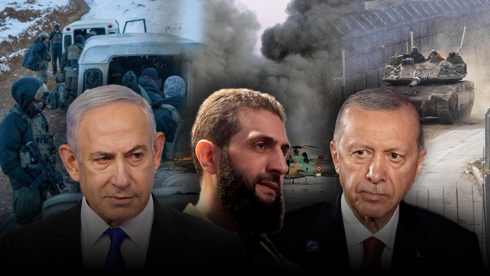
The dynamics between NATO, Israel, and Turkey have surfaced more prominently with rising tensions in Syria. The notion of a NATO versus Israel scenario raises alarm, yet the reality is far more nuanced. While a direct Israeli military action against Turkish territory could activate NATO’s Article 5 for collective defense, a confrontational engagement between Israeli and Turkish forces in Syria presents a far more complex situation.
The Growing Tensions in Syria
The situation escalated when Israel targeted the Abu al-Duhur air base in northwestern Syria after a Turkish delegation’s visit. This strike was framed as a preventive measure against a possible Turkish military build-up in the area, resulting in Turkey’s condemnation and the Syrian government’s denial of any plans for a permanent Turkish base. As Israel and Turkey vie for influence in Syria, the potential for conflict sharply increases.
NATO’s Collective Defense and Geographical Nuances
Article 5 of NATO’s treaty articulates that an armed attack on one member is deemed an attack on them all. Turkey, since joining the alliance in 1952, enjoys that protection; however, the geographical stipulations outlined in Article 6 complicate matters. This article specifies that Turkey’s protection extends to its territory and allied resources in specified zones, including the Mediterranean. Consequently, Turkish military engagements in Syria may not easily fall under NATO’s collective defense guarantee since Syria is outside NATO’s jurisdiction.
An Israeli strike leading to Turkish casualties could ignite a severe diplomatic crisis without being regarded as an attack on Turkey itself. In this context, naval or aerial confrontations would present a more transparent scenario for invoking Article 5, as NATO explicitly addresses military assets in the Mediterranean. An attack on a Turkish warship or aircraft would bolster Ankara’s case for seeking collective defense, but it does not guarantee immediate military action against Israel.
The Role of the United States
Even if Article 5 is triggered, NATO’s response would not automatically equate to warfare against Israel. Each member country retains the right to determine its course of action. Therefore, NATO might choose non-combat assistance—such as intelligence sharing or logistical support—rather than engaging militarily against Israel. Furthermore, U.S. involvement is a critical factor, as both Turkey and Israel maintain significant ties with Washington. President Trump has actively fostered relationships with both nations, complicating any potential response to a confrontation.
Washington’s influence may prevent a U.S.-backed military response against Israel, favoring instead an approach that emphasizes de-escalation and support for Turkey. The failure to swiftly navigate the tumultuous dynamics could lead to an unintended escalation. A limited conflict could ignite a series of retaliatory actions, bringing the potential for broader regional instability.
The Potential for Unintended Escalation
The crux of the matter resides not in an automatic NATO response following an initial confrontation but in the risk of escalation that diminishes diplomatic relief. Israeli strikes could lead to Turkish retaliation, which may provoke additional Israeli military action, spiraling into a situation that brings NATO’s commitment to defend Turkey into stark relief. If attacks cross over into Turkish territory, then NATO members must seriously consider their obligations under the treaty.
Thus, the initial localized conflict would evolve into a broader geopolitical issue beyond a mere Israeli-Turkish skirmish. Awareness of these complexities is essential for policymakers, as any miscalculation could unravel the delicate balance maintained by NATO, with wide-ranging consequences for regional and global security.