
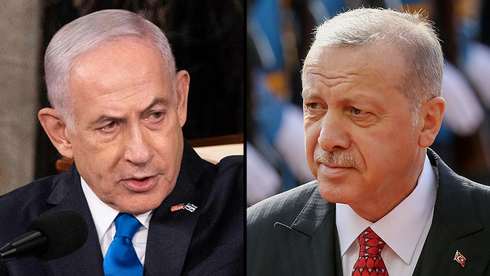
On Sunday, the Israeli government took a significant step by unanimously endorsing Foreign Minister Gideon Sa’ar’s initiative to formally acknowledge the Armenian genocide. This landmark decision is anticipated to further complicate Israel’s already delicate relationships with Turkey and Azerbaijan.
Significance of the Resolution
During the Cabinet meeting, Sa’ar emphasized the moral imperative of the recognition, stating, “It is never too late to do the right thing.” The resolution asserts that Israel, based on its ethical and historical responsibilities, acknowledges the atrocities committed against the Armenian people during the demise of the Ottoman Empire. It additionally calls for a rejection of any denial or minimization of these historical truths.
Historical Context and Previous Hesitations
Israel had previously sidestepped formal acknowledgment of the Armenian genocide, primarily due to concerns about its diplomatic relations with Turkey and Azerbaijan. Turkey has consistently denied the genocide designation, and Azerbaijan—Israel’s strategic ally, particularly given its proximity to Iran and significant military cooperation with Israel—has also opposed such recognition.
The resolution elaborates on the genocide, indicating that it began in April 1915 when Armenian intellectuals and leaders in Constantinople were arrested, deported, and killed. Ottoman authorities subsequently initiated a systematic campaign against the Armenian population, leading to forced labor among men and death marches for women, children, and the elderly towards the Syrian desert.
The Human Cost and Cultural Impact
According to the resolution, approximately 1.5 million Armenians perished during this tragic period, representing the obliteration of a rich cultural and historical heritage in Anatolia. The consequences of these events have echoed through history, creating lasting impacts that extend far beyond the immediate loss of life.
The document further highlights that the Armenian genocide continues to face an organized campaign of denial, particularly from Turkey, despite the availability of comprehensive historical evidence. Notably, the proposal mentions that 32 countries have acknowledged the genocide, reflecting a growing international consensus.
In conclusion, Israel’s recognition of the Armenian genocide marks a pivotal moment in acknowledging historical injustices. While it may strain relations with key allies, the move illustrates a commitment to confronting the past and standing firm on moral grounds.