
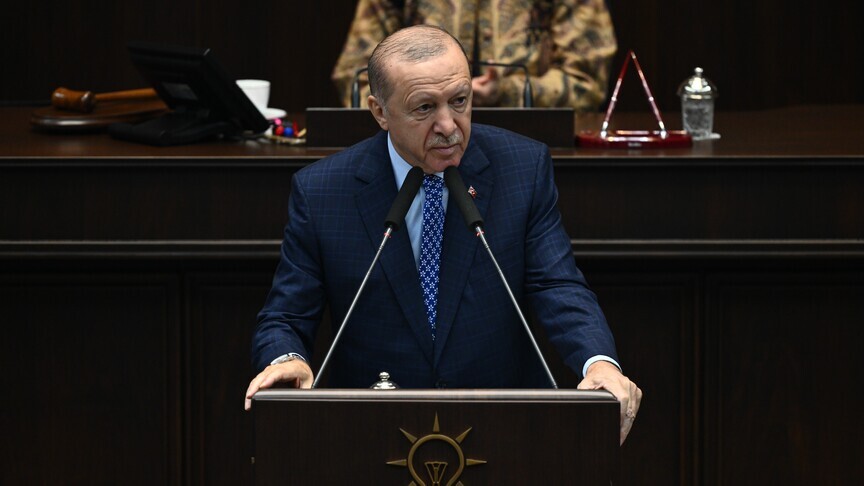
Turkish President Recep Tayyip Erdogan recently announced the approval of a significant maritime jurisdiction agreement between Türkiye and Libya, an event he deemed highly encouraging for both nations. This development comes on the heels of the Libyan House of Representatives’ unanimous decision to endorse the existing memorandum of understanding. This agreement is pivotal in defining the maritime boundaries between Türkiye and Libya, enhancing political and economic cooperation in the Mediterranean region.
Libya’s House of Representatives Approves Maritime Agreement
In a resounding show of support, Libya’s House of Representatives ratified the Memorandum of Understanding concerning the Delimitation of Maritime Jurisdiction Areas, initially signed in 2019. Erdogan expressed his satisfaction at the outcomes during a gathering of his Justice and Development Party (AK Party) in Ankara, stating, “The Libyan House of Representatives unanimously approved the agreement, which I hope will prove beneficial.” This statement underscores the importance of collaboration between Türkiye and Libya as they work to bolster their maritime claims and enhance regional stability.
In addition to approving the maritime deal, the Libyan parliament rescinded a prior 2020 resolution that had blocked the ratification of agreements with Türkiye. This shift in stance indicates a newly established commitment to strengthening ties with Türkiye and highlights a sense of unity within the Libyan political framework.
Historical Context of the Maritime Agreement
The maritime jurisdiction agreement originated from a memorandum signed in November 2019, aimed at defining territorial boundaries in the Mediterranean Sea. The significance of this agreement has been amplified by ongoing geopolitical shifts in the region. As countries vie for influence and resources, the clarity provided by this memorandum serves not only to protect national interests but also to facilitate collaborative efforts in managing shared maritime resources. This newly minted cooperation could pave the way for future partnerships and economic ventures between the two nations.
President Erdogan’s endorsement of the agreement reflects a broader strategy of enhancing bilateral relations in various sectors. His recent statements regarding defense collaboration with Saudi Arabia and Pakistan illustrate Türkiye’s commitment to strengthening its alliances. Erdogan confirmed that a joint defense accord with these nations has been submitted for ratification by the Turkish parliament, marking a significant step towards increased military cooperation in the region.
Implications for Regional Diplomacy
The approval of this maritime jurisdiction deal, alongside enhanced defense collaboration, comes at a critical juncture for Türkiye and Libya. As both nations navigate complex regional dynamics, their partnership could significantly influence maritime security and economic development in the Mediterranean. By firmly establishing maritime boundaries, Türkiye and Libya are mitigating potential conflicts over resource allocation and paving the way for sustainable development within their maritime zones.
Furthermore, Erdogan’s remarks regarding a potential visit to Damascus signal an openness to engage with other regional players, which may serve to strengthen Türkiye’s diplomatic outreach. His assurance that a visit will be made indicates a continuing effort to foster dialogue in a region marked by longstanding tensions.
In summary, the ratification of the maritime agreement between Türkiye and Libya signifies a pivotal moment in regional cooperation, with the promise of greater stability and collaboration in the Mediterranean. As Turkey takes proactive steps in both maritime and defense relations, it remains poised to navigate the complexities of regional politics, potentially setting a precedent for future agreements between nations sharing maritime interests.