
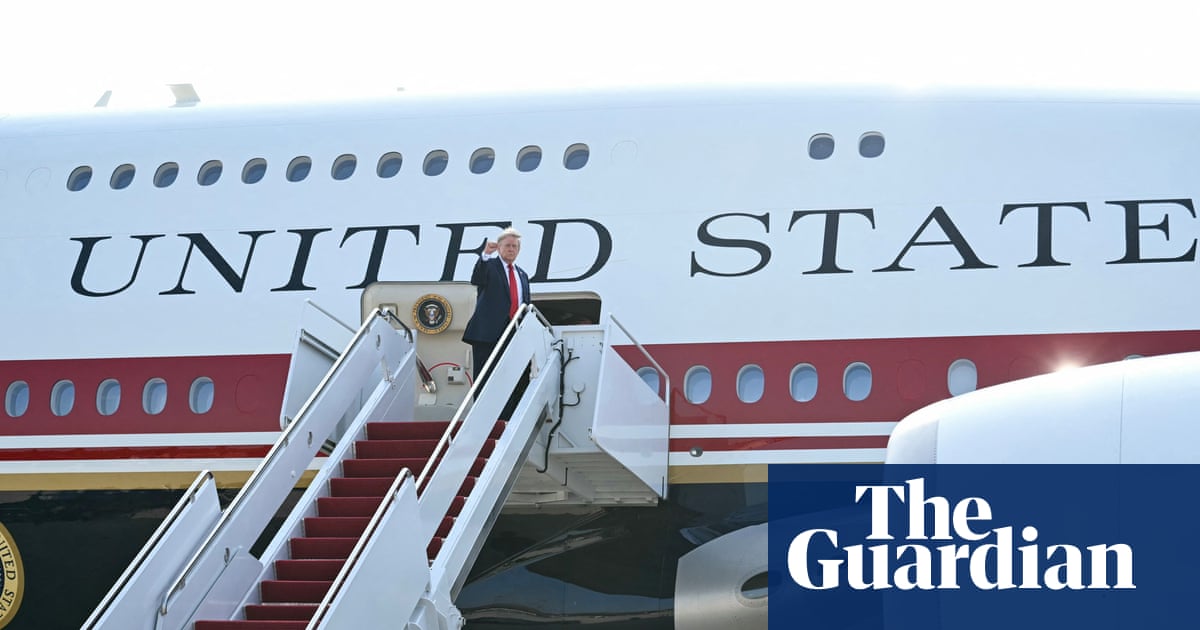
In recent developments, former President Donald Trump made a significant aircraft switch during his departure from Turkey, prompted by credible threats linked to Iranian proxy forces. This change in flight plans underscores ongoing concerns regarding security, particularly around the newly donated Boeing 747-8.
Threat Assessment and Aircraft Change
Reports indicate that the threat emerged while Trump was participating in a NATO summit in Ankara. He had originally traveled aboard the newly acquired aircraft, a donation from Qatar, which Trump noted lacked the advanced defensive systems found in the older Air Force One. Upon receiving intelligence assessments about a potential risk to his safety, U.S. officials quickly advised a change of aircraft. Consequently, Trump opted to utilize the older Air Force One for his return journey.
The urgency of the transition highlights the complex security landscape that surrounds high-profile leaders. While officials did not specifically identify the new 747-8 as a target, the intelligence clearly outlined that the danger was directed towards Trump and whichever aircraft he was on. This proactive response by the Secret Service illustrates the measures taken to protect the former president amidst regional tensions.
Concerns Surrounding the New Aircraft
The recent switch raises questions about the security readiness of the Qatari-gifted Boeing 747-8. The revelations come on the heels of previous inquiries into the aircraft’s safety features, as Trump had pushed for it to be operational swiftly. Understanding why the administration felt the need to revert to a more established aircraft offers insights into the potential vulnerabilities associated with the new model.
Moreover, Trump’s administration has previously sought information from the media regarding security assessments of the new aircraft, though those efforts have since been paused. The specifics of these security risks remain largely undisclosed, creating an atmosphere of ambiguity surrounding the safety measures in place for the former president.
Ongoing Tensions with Iran
Trump’s concerns regarding threats from Iran are part of a broader narrative of escalating tensions in the region. He has previously stated that he maintains “standing orders” for military action should Iran ever carry out an assassination against him. His remarks indicate that such threats are not taken lightly, and they contribute to a tense geopolitical climate that influences decision-making even during travels abroad.
In light of these developments, Trump also hinted at potential escalations in military actions against Iran. Following a recent breakdown of a ceasefire, he expressed intentions to deliver “major military punishment” to Tehran and its affiliates. While he left open the possibility for diplomatic engagement, he emphasized readiness for a swift military response if necessary.
In conclusion, Trump’s aircraft change in Turkey amidst credible threats epitomizes the intricate balance between diplomacy and security. As geopolitical tensions evolve, understanding the delicate dynamics at play will be critical in assessing future interactions with Iran and implications for U.S. foreign policy.