
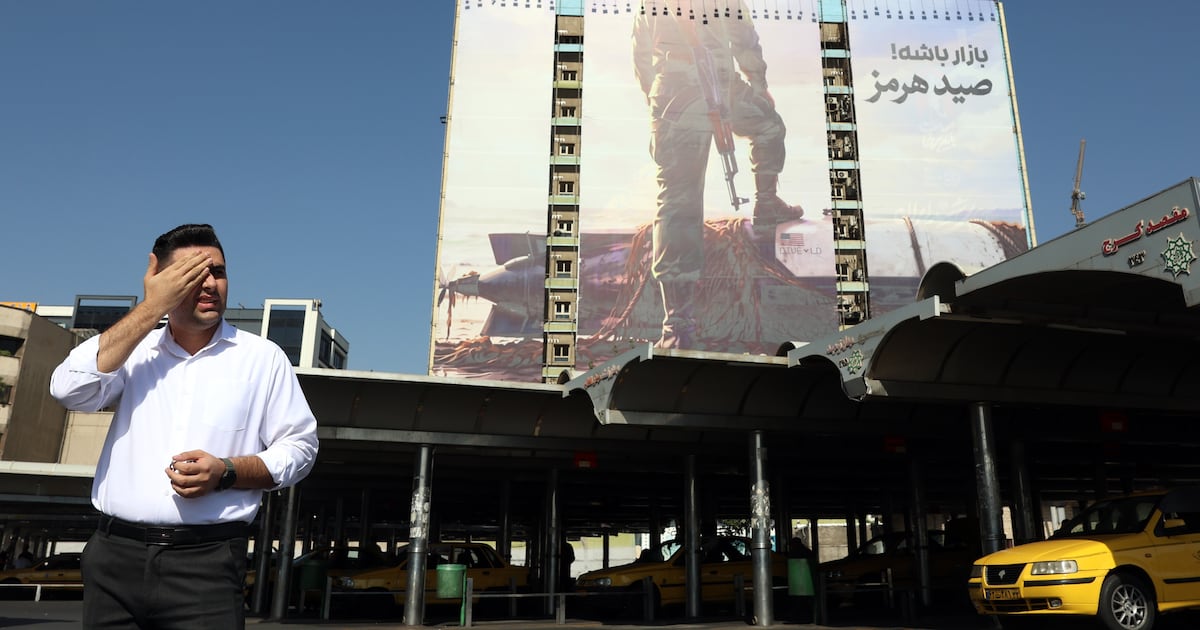
Amid a shifting geopolitical landscape, the influx of Iranian travelers into Istanbul is becoming an increasingly visible occurrence. As recent U.S. sanctions disrupt air travel between Iran and Turkey, many passengers are compelled to undertake arduous journeys by road rather than by air, marking a significant change in travel dynamics between these two neighboring countries.
The Impact of U.S. Sanctions on Travel Dynamics
In response to renewed U.S. sanctions targeting Iran’s aviation sector, major Iranian airlines like Mahan Air have suspended flights to Turkey. This disruption, part of a broader initiative known as Operation Economic Outcast, has led to a substantial increase in the number of Iranian travelers opting for bus services. The two countries enjoy a rich cultural and economic relationship, yet the recent sanctions have forced many to confront long travel days. “We decided to take the bus instead,” explained a Tehran native waiting alongside her husband at a coach station in Istanbul. Their journey to take the IELTS exam, an internationally recognized English proficiency test, required a three-day trip due to the cancellation of flights back home.
The surge in land travel underscores the broader economic strain affecting ordinary Iranians. With access to essential goods increasingly compromised by sanctions, many are feeling the pinch. “The economy is terrible,” expressed the woman’s husband, reflecting the widespread sentiment among travelers. The rising costs of bus tickets, attributable to heightened demand and increased fuel prices, further exacerbate their challenges.
Economic Isolation and Its Consequences
The ramifications of these sanctions extend beyond individual travelers. Many Iranians now find themselves increasingly isolated, losing access to international routes and services. One resident of Tehran lamented, “Iran has become totally isolated,” highlighting the obstacles in traveling for both work and leisure. With the cost of bus tickets rising almost 33% recently, affordability becomes a pressing concern for families already dealing with a dismal economic landscape.
Moreover, the once-thriving tourism sector in Turkey is witnessing a decline in Iranian visitors, who have traditionally frequented Istanbul for shopping and leisure. The worsening economic crisis in Iran, coupled with the sanctions, could further alienate ordinary citizens from cultural and commercial experiences. “We are seeing fewer Iranians coming to Turkey,” noted Arqavan, a local ticket seller, adding that the increased travel costs stem not only from high demand but also from soaring petrol prices.
Banking Restrictions and Economic Repercussions
The sanctions have led to significant restrictions on financial transactions, impacting many Iranian businesses operating abroad. Recently, Turkey’s banking authorities revoked licenses for Iranian banks, including Bank Mellat, due to their ties with Iran’s military and nuclear entities. While Turkey has not publicly attributed these actions to U.S. pressures, the connection is evident. This tightening of financial resources can complicate the livelihoods of many Iranians seeking to maintain trade relations with Turkey.
Furthermore, U.S. attempts to cut off Iran’s financial networks have had consequences that resonate beyond mere economic figures. Experts suggest that such actions are about creating internal dissent against the Iranian government, indirectly affecting the everyday lives of countless citizens. As sanctions continue to tighten, the ramifications will likely augment tensions within Iran and challenge the country’s capacity for socio-economic stability.
Ultimately, the interplay of sanctions, travel disruptions, and economic strain paints a complex picture for Iranian travelers in Turkey. As both nations grapple with these new realities, ordinary citizens are bearing the brunt of geopolitical maneuvering, navigating a landscape fraught with challenges yet managing to adapt through resilience and a determined spirit.