
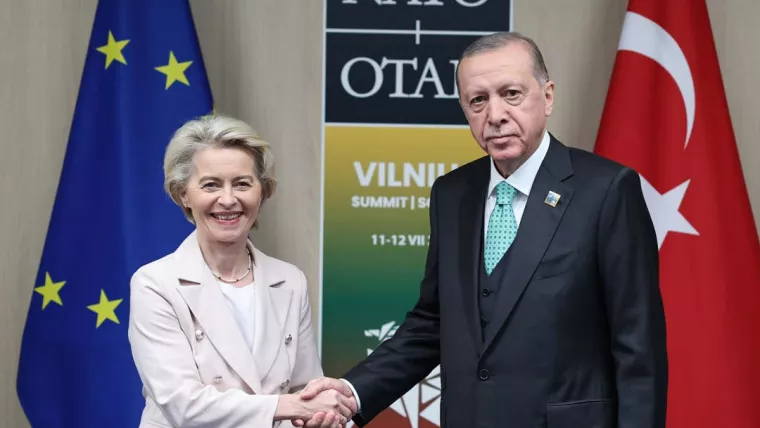
As the global landscape shifts away from the post-World War II order, a sense of urgency is growing among officials in Ankara and various European capitals. The necessity for collaboration on security issues has never been more pressing, as failure to act collectively could lead to significant threats. Despite differing views on security challenges, there are viable pathways for cooperation.
Reassessing Security Dynamics
The changing geopolitical environment calls for a reevaluation of security dynamics in Europe and surrounding regions. Nations not only face traditional military threats but also hybrid challenges, such as disinformation campaigns and cyber warfare. These modern threats require a refreshed understanding of security that transcends national boundaries. Leaders must prioritize adaptability and resilience in their security frameworks to effectively counteract these evolving risks.
Bridging Divergent Threat Perceptions
While Turkey and European states may perceive threats differently, common ground exists. Turkey, for example, emphasizes the risk posed by militant groups, while many European nations are increasingly focused on the challenges of climate change and migration. Recognizing these divergent viewpoints opens avenues for dialogue. Collaborative forums can facilitate discussions that lead to a mutual understanding of threats and enhance cooperative efforts aimed at improving security for all.
Building Pragmatic Alliances
Pragmatism should guide the formation of alliances in this transformed security landscape. By setting aside historical grievances, European countries and Turkey can engage in strategic partnerships that focus on shared objectives. Joint military exercises, intelligence sharing, and coordinated responses to crises create a robust foundation for collaboration. Such alliances can bolster not only national security but also regional stability.
The Role of International Institutions
International institutions play an essential role in fostering cooperation among nations. Bodies such as NATO and the European Union can facilitate dialogue and coordination, enabling member states to address common security challenges effectively. By participating in these organizations, Turkey can strengthen its ties with European countries and contribute to collective security measures. Efforts within these institutions must prioritize inclusivity and ensure that all voices are heard, leading to more sustainable solutions.
In conclusion, as the post-WWII international order wanes, the need for robust security collaboration among Turkey and European nations becomes increasingly clear. While differing security perceptions exist, embracing pragmatism and utilizing international platforms can pave the way for effective partnerships. By coming together, nations can better navigate the complexities of the modern threat landscape, securing a safer future for all involved. Collaboration is not just an option but a necessity for survival in a rapidly changing world.