
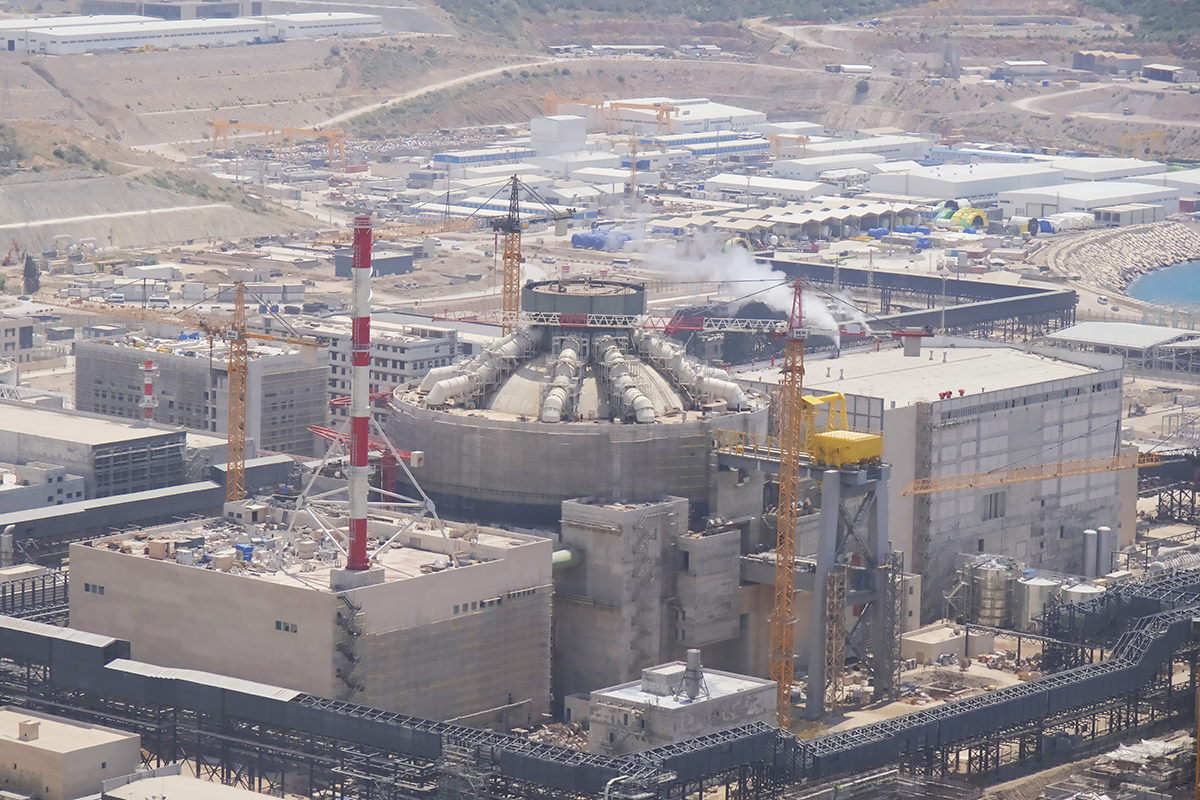
In light of recent geopolitical tensions, Turkey is re-evaluating its stance on nuclear weapons. The shifting dynamics stemming from the Iran conflict, combined with emerging threats from various regional powers, have led Ankara to contemplate the possibility of developing its own nuclear capabilities. This change in perspective highlights critical implications for both Turkey and international security.
The Context of Turkey’s Nuclear Aspirations
Turkey’s interest in nuclear weapons comes amid fears that Iran may achieve nuclear capability, alongside growing Israeli assertiveness and uncertainties regarding U.S. security commitments. The potential for a nuclear-armed Iran, coupled with Saudi Arabia’s pursuit of greater nuclear independence, is motivating Turkey to consider a nuclear option as a way to bolster its security. Although Turkey is currently at least a decade away from independently creating a nuclear bomb due to the lack of uranium enrichment and spent-fuel reprocessing capabilities, there is a concern that it may seek to achieve nuclear-threshold status. This would entail developing the expertise and infrastructure necessary to quickly produce a weapon if needed.
Implications for U.S. Foreign Policy
This evolving nuclear discourse poses significant challenges for U.S. foreign policy. It suggests that Turkey’s leadership is moving away from the longstanding view that the acquisition of nuclear weapons is not an option. Prominent figures like President Erdoğan and Foreign Minister Hakan Fidan have increasingly questioned Turkey’s exclusion from nuclear capabilities. For the United States, this indicates that it must act quickly to guide Turkey back toward non-proliferation avenues. While Washington retains some influence over Ankara, the opportunity to steer Turkey’s nuclear ambitions in a safer direction may diminish if the nation’s civilian nuclear program expands in response to regional tensions.
Regional Security Concerns
As Turkey grapples with internal and external pressures to pursue nuclear options, it is essential to recognize that a decision to go nuclear could have a ripple effect throughout the region. With nations like Saudi Arabia also exploring nuclear options amid Iran’s uncertain trajectory, multiple states moving toward nuclear-threshold status may escalate proliferation pressures. Such scenarios could provoke preemptive military actions, further complicating the security landscape and undermining global non-proliferation efforts.
Policy Recommendations for the U.S.
To mitigate the risks associated with Turkey’s nuclear ambitions, the U.S. should consider several strategic actions:
- Reassurance with Clear Red Lines: Strengthening NATO’s extended deterrence while making it clear that developing weapons-related enrichment capabilities will have serious implications for defense cooperation.
- Addressing NATO Integration: Facilitating Turkey’s reintegration into NATO’s nuclear sharing framework could help reduce its desire to pursue independent nuclear capabilities, especially if past disagreements can be resolved.
- Shaping Future Reactor Technologies: The U.S. and allied nations should be proactive in providing reactor technology to Turkey. However, sensitive technology transfers need to be conditioned on maintaining strict safeguards to prevent any potential for weapons development.
- Coordination with Supplier Nations: Close collaboration with countries supplying nuclear technology, particularly regarding Canada’s CANDU reactors, will be essential to ensure that Turkish desires for autonomy do not lead to illicit nuclear capabilities.
- Strengthening Safeguards: Continuing to ensure that Turkey adheres to its International Atomic Energy Agency (IAEA) commitments while exploring multilateral arrangements for fuel-cycle management can help maintain international oversight and prevent proliferation risks.
Addressing these policy considerations will require strategic foresight and collaboration among allies to ensure that Turkey remains committed to non-proliferation while navigating the evolving security landscape in the region.