
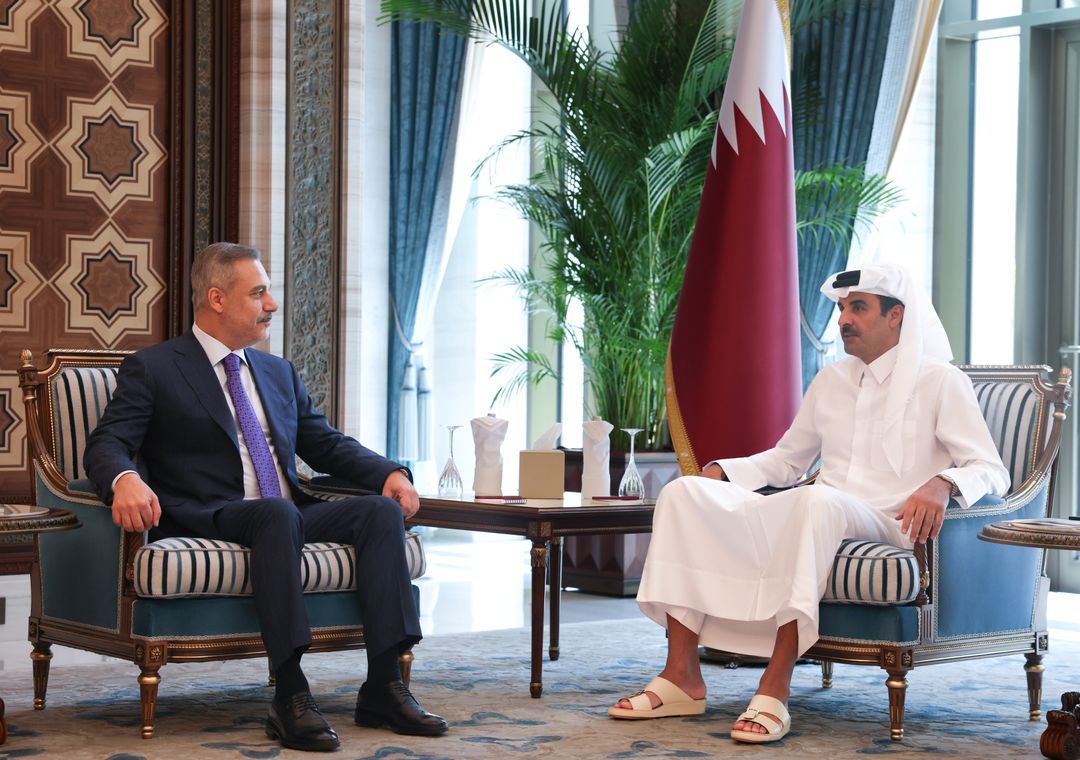
Qatar’s security and stability are not only vital for the nation itself but also for Türkiye and the broader region. This commitment underscores the collaborative efforts between Türkiye and Gulf states, along with other Islamic nations, in tackling shared challenges.
Deep Historical Connections
Türkiye and Qatar share profound historical ties and a robust strategic partnership. This relationship was established during the leadership of former Qatari Emir Sheikh Hamad bin Khalifa Al Thani, who recently passed away. In expressing condolences to the Qatari people, Foreign Minister Hakan Fidan recognized Sheikh Hamad as a visionary leader. His contributions extended beyond Qatar, positively impacting the Islamic world and the international community at large. The legacies established during his leadership continue to benefit regional stability and foster cooperation.
Strengthening Regional Cooperation
Fidan highlighted the constructive role played by the current Emir, Sheikh Tamim bin Hamad Al Thani. Under his leadership, Türkiye and Qatar have bolstered their cooperation to address regional challenges effectively. Examples of this partnership can be seen in various contexts, including Lebanon, Afghanistan, and Palestine. Notably, their joint initiatives in these areas are being recognized as models for diplomatic and cooperative engagement across the region.
The emphasis on constructive collaboration is essential for regional success. Fidan noted that Qatar is actively pursuing efforts aimed at enhancing cooperation rather than competition, showcasing a commitment to fostering peace and stability. This vision aligns with the goals shared by other Gulf nations like Saudi Arabia, the UAE, Kuwait, and Oman, all of which have been making strides in development and public services.
A Vision for Progress
The advancements seen in these Gulf countries are a testament to their efforts in establishing strong governance and developing world-class cities. These nations have made significant progress due to their focus on development, and they are increasingly viewed as influential players in regional and global politics. The collective growth led by these states provides an example of what can be achieved through strategic partnerships and mutual cooperation.
Fidan’s comments highlight a significant turning point in how countries can work together to tackle pressing issues. The ongoing partnerships between Türkiye and Qatar showcase a dedication to creating a secure future for their citizens. By emphasizing cooperation, both countries aim to address critical issues such as economic development, security, and humanitarian challenges throughout the region.
In conclusion, the relationship between Türkiye and Qatar is more than a diplomatic alliance; it serves as a framework for addressing broader regional challenges and fostering cooperation among nations in the Islamic world. As both nations continue to work together on significant issues, their partnership could serve as a catalyst for positive change and stability across the region.