
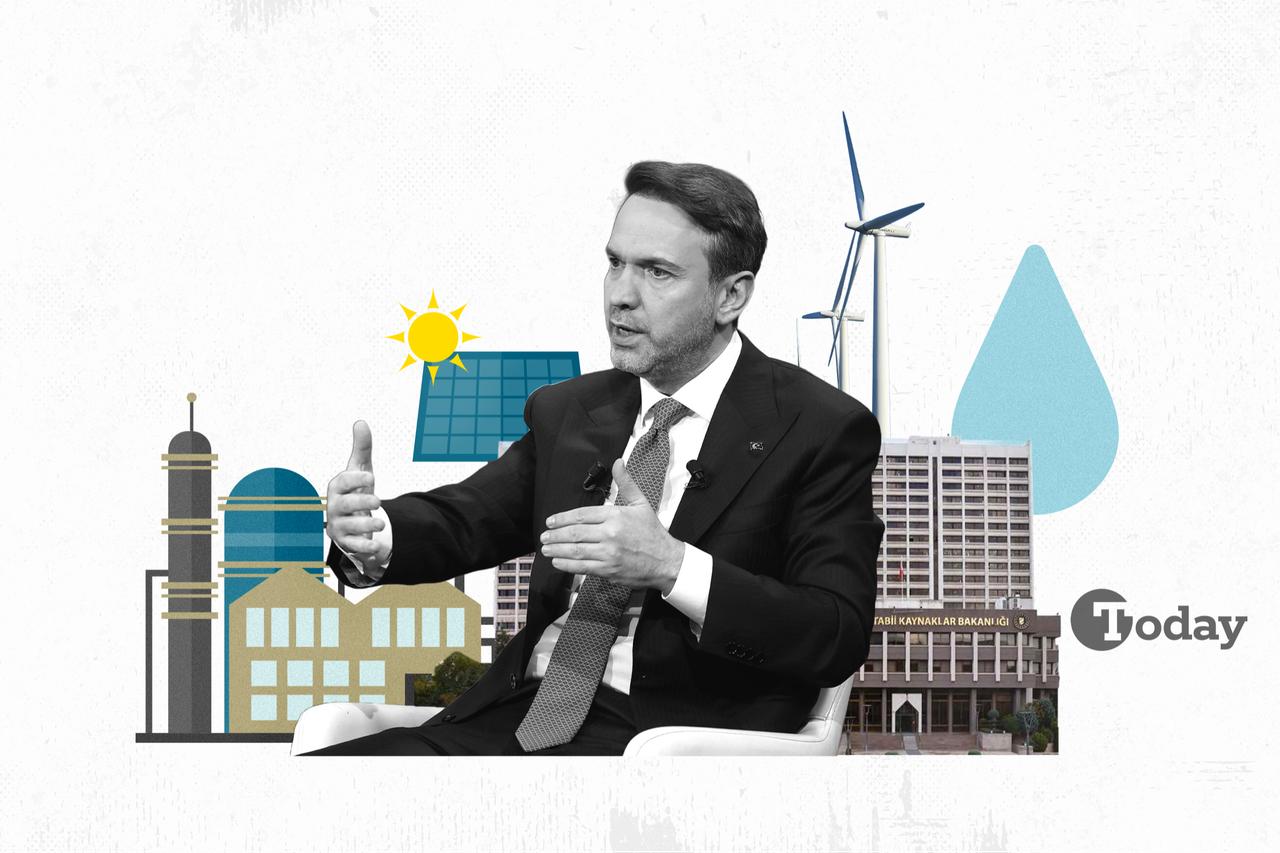
Turkey has confirmed it has not received a proposal from the United States to halt Iranian natural gas imports, as stated by Energy and Natural Resources Minister Alparslan Bayraktar. Speaking during the launch of the International Energy Agency’s “Turkey Energy Policy Review” report in Istanbul, Bayraktar emphasized that Turkey is monitoring its gas relations with Iran but did not provide further details. As winter approaches, he reassured that the country’s natural gas storage facilities are filled, indicating no anticipated supply disruptions.
Expiration of the 25-Year Gas Agreement with Iran
Turkey’s longstanding gas agreement with Iran, which spanned 25 years, officially expired on July 29. The deal, established in 1996, facilitated the annual supply of 10 billion cubic meters of natural gas from Iran to Turkey. The pipeline, constructed under this agreement, measures approximately 1,491 kilometers and runs through various Turkish provinces to Ankara, with additional branches to Konya and Seydisehir.
During the initial half of this year, Turkey imported around 4.5 billion cubic meters of gas from Iran, representing nearly 14.8% of its total gas imports. Minister Bayraktar previously acknowledged that negotiations regarding a potential extension of the agreement could occur. However, as of now, there have been no ongoing discussions or clear communications from either party regarding its future.
U.S. Pressure and Turkey’s Stance on Iranian Gas
The expiration of Turkey’s gas agreement with Iran coincides with increased U.S. pressure aimed at isolating Iran economically. Treasury Secretary Scott Bessent recently launched “Operation Economic Outcast,” an initiative designed to disrupt Iran’s economic connections, particularly targeting sectors such as digital assets and aviation. Bessent has urged governments and financial entities to sever ties with Iran, with warnings of potential U.S. sanctions for non-compliance.
Despite the intensifying pressure from Washington, Turkey has consistently continued its gas imports from Iran since the original agreement. Even in the face of U.S. sanctions, both past and present, American authorities have not explicitly targeted Turkey’s gas trade, showcasing Turkey’s strategic position in maintaining its energy partnerships.
Future Prospects with Qatari Gas
Looking ahead, Turkey is planning to enhance its natural gas infrastructure, which includes increasing its gasification capacities and expanding its pipeline network. Minister Bayraktar mentioned that Turkey can support the extension of existing pipelines to Basra, Iraq, thus facilitating the transport of oil from the Gulf Cooperation Council countries to global markets, creating an alternative energy route.
Additionally, Turkey is exploring options to transport Qatari gas through its territory, providing another potential energy supply route to Europe. These developments come amid growing concerns over energy transport security in light of geopolitical tensions in the region, particularly around the Strait of Hormuz, a vital pathway for global oil and LNG supplies.
In summary, Turkey’s energy strategy remains focused on bolstering its natural gas framework while navigating complex international dynamics. As the country looks to diversify its energy sources and routes, its long-standing relationship with Iran continues to play a critical role in its gas supply landscape.