
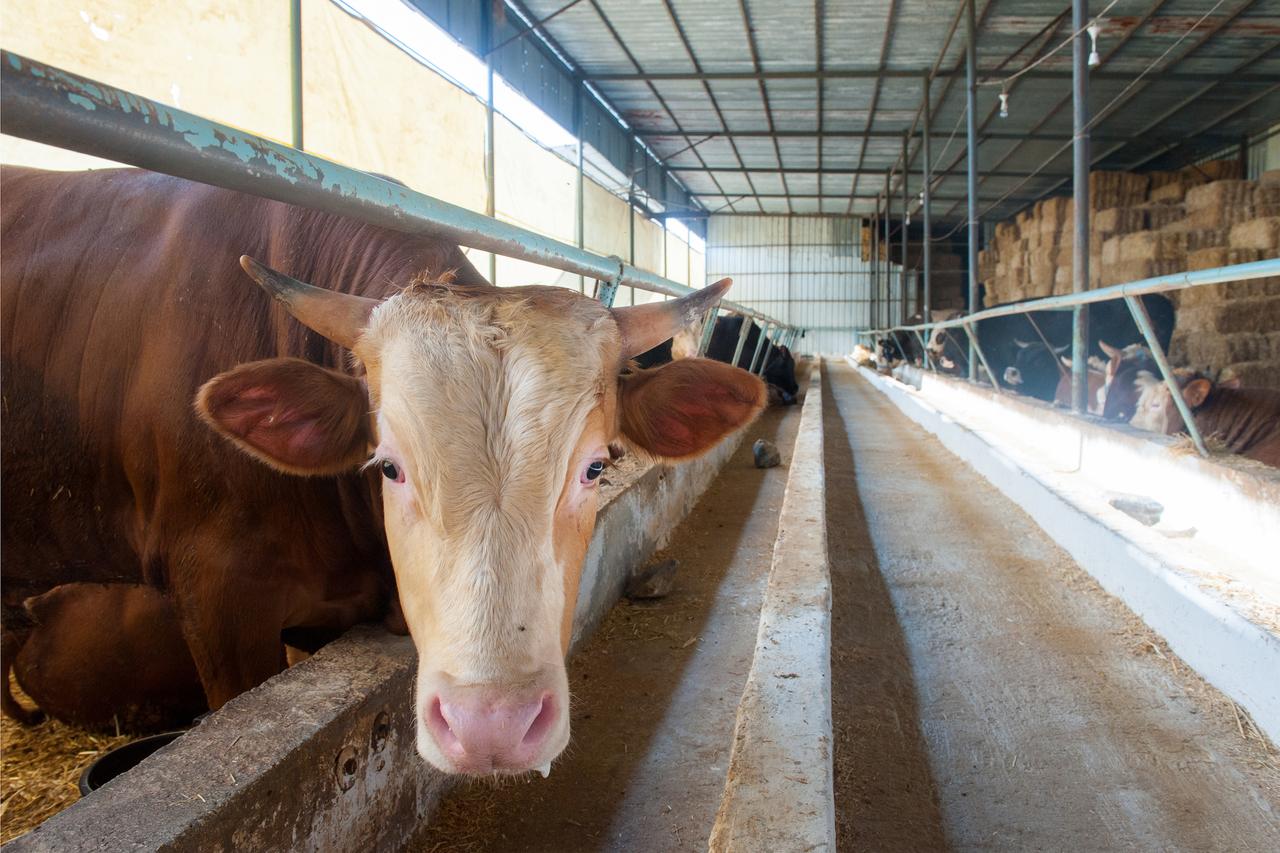
Türkiye has announced a significant reduction in its cattle import quota for the year 2027. The new limit of 480,000 head reflects a drop from 500,000 head in 2026 as the country’s livestock numbers have started to increase steadily. This decision underscores Türkiye’s commitment to enhancing domestic livestock production while carefully managing supply within its local market.
The Growth of Türkiye’s Cattle Population
The cattle inventory in Türkiye has experienced notable growth, rising from 16.6 million in 2023 to approximately 17 million in 2024 and further increasing to about 17.7 million in 2025. By mid-2026, this number reached an estimated 17.8 million, as reported by the Turkish Statistical Institute. This growth represents an impressive hike of 7.4% since 2023, amounting to over 1.2 million additional head. Concurrently, the issuance of import permits for feeder cattle has decreased significantly from 600,000 in 2024 to 520,000 in 2025 and 500,000 in 2026.
As of 2024, the management of cattle imports has transitioned to the Meat and Milk Board (ESK). That year witnessed the entry of 479,803 cattle into Türkiye, which dropped to 428,569 in 2025. By mid-September 2026, the number reached approximately 252,024, with expectations that the total could rise to around 350,000 by the conclusion of the year.
New Import Strategies for Cattle
For 2027, Turkey’s authorities have set the cattle import quota at 480,000 head specifically for feeder male cattle. This figure excludes public institutions and organizations, aiming to optimize the allocation of resources. Of this total, 380,000 head will be designated for farms that can accommodate a minimum of 200 head, while the remaining 100,000 will be reserved for smaller-scale operations.
This revised allocation model aims to favor smaller producers and businesses that are engaged in sustainable livestock practices. By directing imported cattle towards active farming operations, the government hopes to stimulate local production. In line with this, there is also a focused effort to bolster the domestic breeding herd by increasing support for rural producers and boosting the supply of pregnant beef-breed heifers.
Rising Demand for Breeding Stock
The demand for pregnant beef-breed heifers is witnessing a surge, with the availability rising from around 50,000 last year to an impressive 130,000 head by September 2026. This number is projected to climb to nearly 200,000 by the end of the year, signaling a robust growth trajectory for the sector. Such trends indicate a shift in agricultural practices aimed at reinforcing local production capabilities and reducing reliance on imported livestock.
As Türkiye embarks on this strategic plan to foster domestic livestock production, it is also working towards the long-term goal of phasing out livestock imports entirely by 2028. This initiative is not only aimed at improving self-sufficiency but also at enhancing the sustainability and profitability of the farming industry across the nation. With careful management and investment into local farming infrastructure, Türkiye is poised for a transformative expansion in its livestock sector.