
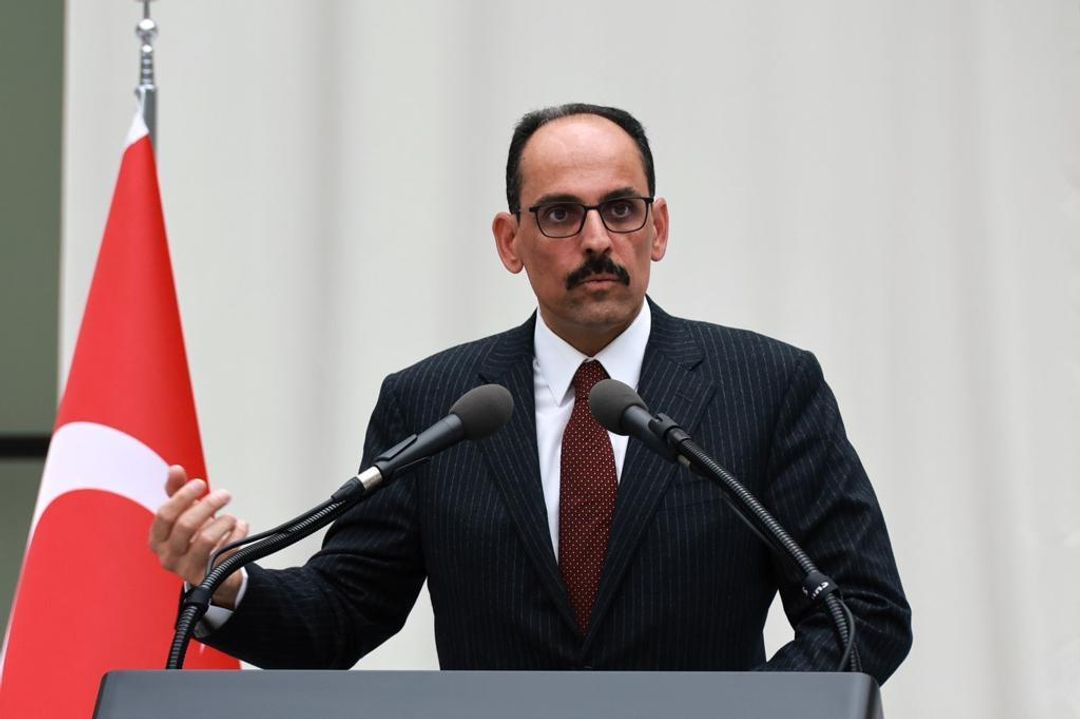
In a significant diplomatic meeting, Ibrahim Kalin, the head of Türkiye’s National Intelligence Organization (MIT), engaged with Themistoklis Demiris, the leader of Greece’s National Intelligence Service (EYP), in Athens last week. This encounter highlights the growing importance of cooperation between the two nations amidst various regional challenges.
Bilateral Relations at the Forefront
The discussions between Kalin and Demiris revolved around the need for enhanced bilateral relations, particularly concerning issues in the Aegean and Western Mediterranean regions. Both parties evaluated potential strategies to mitigate existing challenges, as highlighted by reports from TRT Haber. The emphasis on strengthening ties signals a commitment to collaboration that could foster stability in a region often affected by geopolitical tensions.
Key Areas of Cooperation
The meetings addressed various critical areas, including NATO security and intelligence collaboration, underlining the importance of working together on shared concerns. Efforts to combat terrorism, organized crime, irregular migration, and human trafficking were also focal points of the discussions. As both countries navigate the complexities of regional security, effective communication and cooperation become essential in addressing these pressing issues.
Regional Developments and Global Events
During this important dialogue, Kalin and Demiris also explored broader regional dynamics. They discussed the U.S. involvement in Iran, the evolving situation in Syria, and the political landscape in Libya. Notably, they also considered the ongoing conflict in Gaza and the implications of Israeli policies in the West Bank, along with military actions against Syria and Lebanon. These complex international issues further underline the intertwined nature of regional and global security.
Through collaboration and open lines of communication, Türkiye and Greece are taking significant steps to improve their bilateral relations. The meeting between Kalin and Demiris marks a pivotal moment in addressing regional vulnerabilities and setting the stage for future cooperation across various security dimensions. Such diplomatic engagements are crucial, especially in a world where geopolitical stability is increasingly uncertain.
The ongoing dialogue between these two nations could pave the way for more robust partnerships, essential for fostering peace and security in the region. As both countries confront shared challenges, their efforts to work together may not only enhance their bilateral relations but also contribute positively to regional stability.