
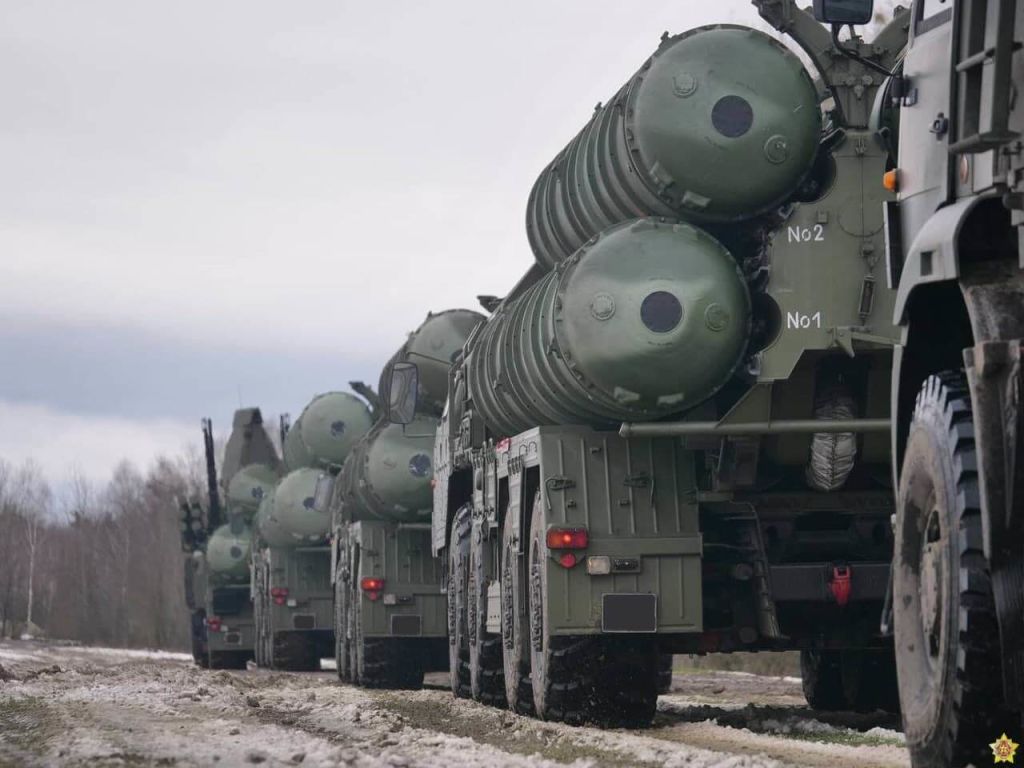
Qatar, the United Arab Emirates (UAE), and Saudi Arabia play vital roles in hosting American military infrastructure and utilizing advanced weaponry from the United States. This collaboration underscores significant geopolitical dynamics in the Middle East, affecting both regional security and international relations.
Strategic Military Partnerships
The military cooperation between the United States and its Gulf partners is not merely transactional; it reflects long-standing strategic alliances. Each nation provides critical access and support for US military operations in a region fraught with instability. Qatar, for instance, is home to Al Udeid Air Base, one of the largest American military installations in the Middle East, acting as a central hub for air operations.
The UAE also hosts various US military bases, contributing to a multi-layered defense strategy in the region. This partnership enhances the operational capabilities of both the US and its allies. A notable aspect of this collaboration is the extensive use of American weapon systems by these Gulf nations, which provides them with advanced military capabilities while ensuring interoperability with US forces.
The Role of Technology in Military Operations
The integration of advanced technology is a cornerstone of the military relationship between the US and its Gulf partners. Modern weapon systems, such as fighter jets and missile defense systems, are vital in maintaining regional stability and deterring aggression. The detailed training and shared intelligence between US forces and their Gulf counterparts ensure that these technological assets are utilized effectively.
Moreover, the joint military exercises conducted between these nations enhance readiness and foster deeper operational cohesion. By leveraging high-tech military resources, the Gulf states bolster their national defense while also supporting broader US strategic objectives in the region, including counterterrorism and maritime security.
Geopolitical Implications
The existence of US military bases in the Gulf States carries significant geopolitical implications, impacting not only local politics but also global power balances. These bases serve as deterrents to adversaries, enhancing security for both American and regional interests. Furthermore, they offer the US strategic positioning against other emerging powers in the region.
However, this intricate alliance is not without challenges. Issues such as human rights concerns and regional conflicts can strain relations between the US and its Gulf partners. The balancing act of maintaining strong military ties while addressing these complexities requires nuanced diplomacy and forward-thinking strategies.
Future of US-Gulf Cooperation
Looking ahead, the future of US military cooperation with Qatar, the UAE, and Saudi Arabia will likely evolve in response to shifting geopolitical landscapes. As regional threats and security concerns transform, so too will the nature of these partnerships. The focus may shift towards developing a more comprehensive defense framework that addresses not just traditional military threats but also emerging challenges such as cyber warfare.
In conclusion, the military relationship between the United States and its Gulf allies is multifaceted and deeply rooted in shared interests. The collaborative efforts to host military bases and integrate advanced weaponry remain a critical aspect of national security in the Middle East. Understanding these dynamics is essential for grasping the complexities of the region’s geopolitical landscape.