
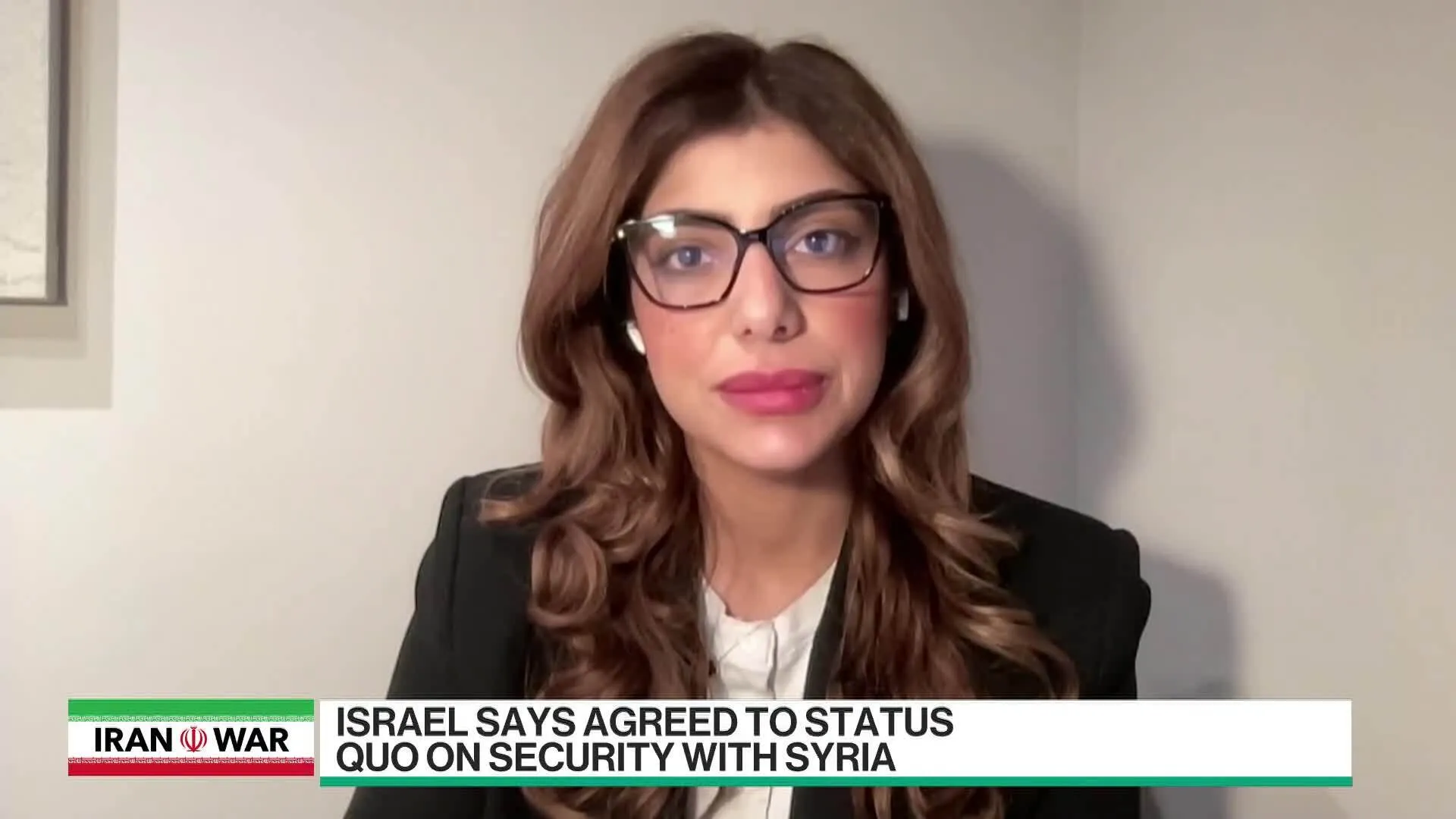
Tensions between Turkey and Israel have intensified following Israel’s recent airstrikes on a decommissioned airbase in northern Syria. This escalation comes shortly after a Turkish delegation visited the region, raising concerns about the implications for both nations and the broader geopolitical landscape. Understanding the motivations behind these actions is essential for grasping their potential impact on regional stability.
The Background of Turkey-Israel Relations
Historically, Turkey and Israel have experienced fluctuating relations, ranging from strategic partnerships to deep-seated animosities. Several geopolitical factors have fueled tensions, including Turkey’s support for the Palestinian cause and Israel’s military operations in areas Turkey considers within its sphere of influence. The recent airstrikes have rekindled these longstanding issues, prompting discussions on both sides regarding national security and foreign policy strategies.
The airstrikes targeted a site once used for military purposes and were interpreted by many as a statement of Israel’s capacity and willingness to engage militarily in the region. For Turkey, this action is not simply a military engagement; it represents a broader assault on its regional ambitions and influence. As a nation with vested interests in northern Syria and a history of supporting various factions, Turkey perceives Israel’s military operations as a direct challenge to its authority.
Implications for Regional Stability
The increasing hostilities could have broader implications for regional stability. Analysts like Dania Arayssi, who serves as the Program Head and Senior Analyst at the New Lines Institute and teaches at Georgetown University, argue that these conflicts are not isolated incidents but rather part of a larger pattern of military and diplomatic confrontations among regional powers. The backdrop of the Syrian civil war complicates this further, as various external players have their stakes in the ongoing conflict.
Israel’s airstrikes may encourage other nations to reassess their strategies towards Syria and their alliances within the region. With Turkey’s strategic position as a NATO member and a key player in Middle Eastern affairs, its response to Israeli actions will be closely watched. The prospect of a military escalation would not only affect Turkey and Israel but could also involve other regional actors, intensifying already fraught relations.
The Role of International Diplomacy
As tensions rise, the role of international diplomacy becomes crucial. Mediators from around the world, including Western and regional powers, must navigate this complex landscape to prevent further escalations. Diplomatic engagement is essential, as it can provide channels for dialogue and negotiation, facilitating a more peaceful resolution of disputes. Both nations must consider the long-term consequences of their actions, which could impact not just bilateral relations but also the broader geopolitical framework in the Middle East.
Experts argue for the necessity of renewed diplomatic efforts to address the situation. Past agreements have often faltered under pressure, but the evolving dynamics necessitate finding common ground to avoid further military confrontation. As regional players recalibrate their strategies amid rising hostilities, the relevance of dialogue in today’s geopolitical climate cannot be overstated.
In summary, the relationship between Turkey and Israel is at a critical juncture, influenced by recent military actions and longstanding geopolitical tensions. With implications for both bilateral relations and regional stability, the need for effective diplomacy is more pressing than ever. As the situation develops, the international community must remain vigilant and proactive in promoting dialogue, aiming to prevent the escalation of conflict in an already volatile region.