
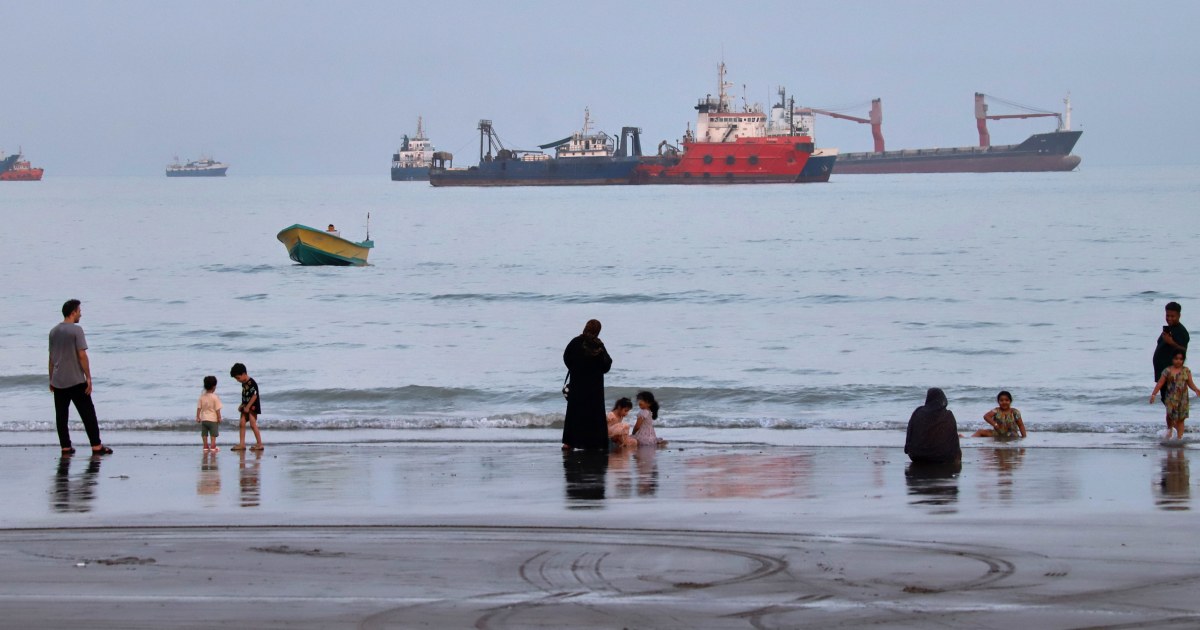
The Middle Eastern landscape is shifting dramatically as tensions rise between the United Arab Emirates (UAE) and Iran. The UAE recently announced a complete suspension of trade with Iran amidst renewed hostilities. This move could substantially exacerbate Iran’s already precarious situation as it grapples with severe U.S. sanctions and international isolation.
The UAE’s Bold Trade Suspension
On Wednesday, the UAE formally ceased all trade with Iran, prompted by missile attacks directed toward its territory. This unprecedented action illustrates the escalating military conflict, culminating in an environment of heightened instability in the region. Following a recent barrage of ballistic missiles aimed at the UAE, warnings echoed throughout the nation, marking the first time in weeks that citizens were told to seek shelter. What was once a thriving trade relationship between the two countries has all but evaporated as earlier hostilities have resurfaced, prompting the UAE’s decisive action.
Despite initial upticks in trade following slight easing of tensions, significant economic exchange has largely ceased. According to reports from the Iranian state media, the UAE had previously served as a vital trading partner, particularly as a re-export hub for Iranian goods, helping soften the blows of international sanctions. Mohammad Farzanegan, a professor at Germany’s University of Marburg, emphasized this dependency, stating that Iran’s reliance on the UAE transcends simple trade; it crucially provides access to third-party goods that Iran’s economy desperately needs.
Missile Attacks and Diplomatic Fallout
In light of the missile attack, the Emirati Foreign Ministry issued a statement confirming the suspension of trade and financial dealings “until further notice.” The UAE’s military assessments indicate that the missiles were likely aimed at maritime activities in the region, although the precise targets remain unclear. Iran’s foreign ministry has flatly denied these allegations, further complicating the fraught diplomatic atmosphere.
The issue of maritime security has been a sticking point, with Iran frequently accused of targeting ships traversing the strategically critical Strait of Hormuz. This waterway is vital for global oil trade, and Iran’s actions to control access have intensified throughout the ongoing conflict. As a result, supply lines have been disrupted, and oil prices have experienced fluctuations, impacting economies around the globe.
The Broader Economic Implications for Iran
The cessation of trade will likely amplify existing pressures on the Iranian economy, which was already struggling prior to the outbreak of violence. The UAE represented a significant share of Iran’s trade, accounting for over 30% of its imports, translating to approximately $21 billion. This trade relationship was mutually beneficial; Iran exported nearly $7 billion worth of goods to the UAE in a pre-war context.
However, this strategic embargo comes with risks for the UAE itself. Farzanegan points out that as a relatively small nation, the UAE’s economy is deeply tied to regional stability. Any substantial conflict with Iran could engulf the UAE in unintended repercussions, causing damage to its vital tourism, business, and financial sectors.
As the U.S. gears up to institute new economic sanctions on Iran, these developments are poised to escalate further. Treasury Secretary Scott Bessent has hinted that these measures will augment existing economic isolation and apply pressure specifically on Iran’s ports. Such strategies follow an aggressive bombing campaign targeting both military and civil infrastructure, exacerbating an already dire economic scenario for Iran, with the International Monetary Fund forecasting steep inflation and a significant contraction in GDP.
In conclusion, the suspension of trade by the UAE marks a pivotal moment in the ongoing conflict with Iran, throwing fuel on an already volatile fire. As the geopolitical landscape evolves, both nations may find themselves grappling with the multifaceted repercussions of their choices in the months to come.