
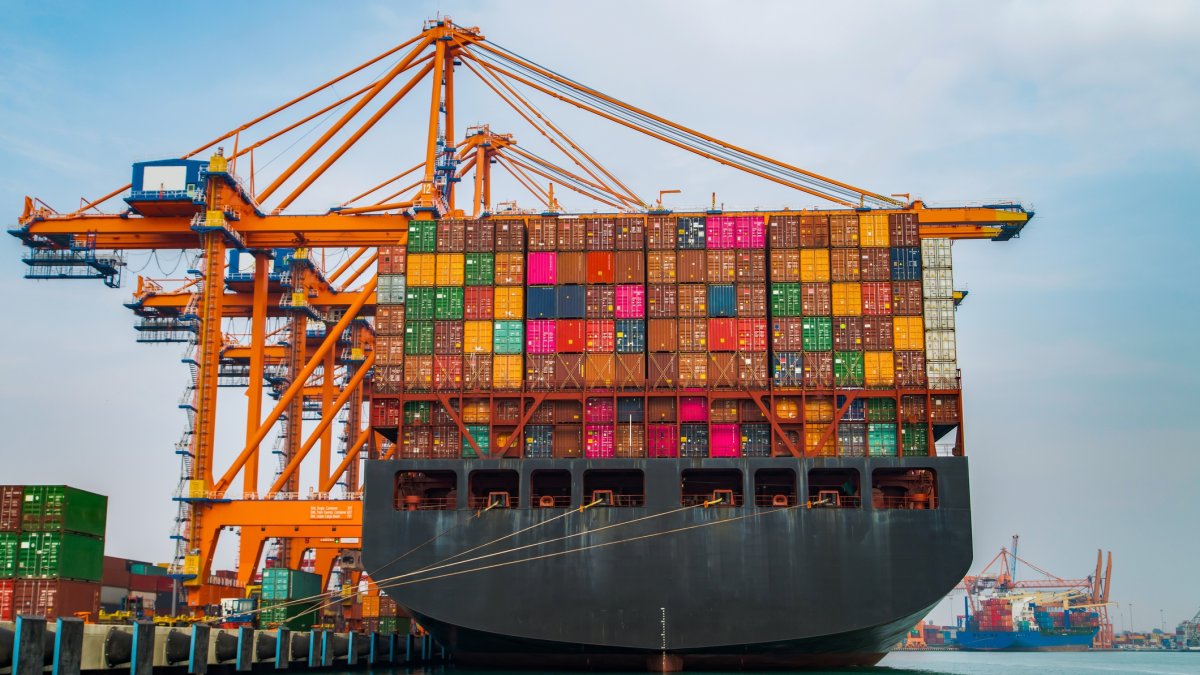
In recent dialogues between Turkish and Chinese officials, one issue consistently emerges: the trade imbalance. For Turkish authorities, this disparity is viewed as a significant hurdle that could hinder the long-term viability of economic collaboration. This imbalance is not merely an issue of preference; it represents complex structural, commercial, and access-related factors affecting both countries. However, it’s crucial not to dismiss this concern as a minor issue or limit it to the Turkish consumer’s preference for Chinese products.
### Understanding the Scale of the Imbalance
Ankara’s anxiety over the trade imbalance is justified by the numbers. In 2025, Turkey imported approximately $49.6 billion worth of goods from China while exporting only around $3.3 billion, resulting in a staggering deficit of nearly $46.3 billion. This figure constitutes about 50% of Turkey’s overall merchandise trade deficit. Although this bilateral trade of $53 billion is less than 1% of China’s total foreign trade, it holds more significance for the Turkish economy. While a perfectly balanced trade relationship may not be necessary, the troubling import-to-export ratio of roughly 15 to 1 raises critical questions about Turkey’s industrial capabilities and dependence on foreign financing.
### The Competitive Landscape
To appreciate the situation fully, one must consider China’s competitive advantage as the largest manufacturing center worldwide. Its scale, advanced supply chains, and cost efficiencies present substantial competition for Turkish manufacturers. Many imports from China include machinery, parts, and intermediate goods essential for Turkish industries. Implementing abrupt trade restrictions could lead to higher production costs, destabilize inflation rates, and adversely affect Turkish exporters. Moreover, an overreliance on imports within key sectors poses risks to local production, supply-chain durability, and industrial growth. The experiences of the United States and the European Union show that imposing tariffs alone won’t resolve underlying structural issues.
Successful trade relationships are influenced by more than just price and quality. Factors like industrial policies, government financing, subsidies, technical standards, and market-access regulations also play pivotal roles. In this context, Turkey’s aim should be to minimize excessive dependency while retaining the benefits of competitive imports.
### A Path Toward Balanced Trade
One approach to rectify this imbalance is by increasing Turkey’s exports to China. As of 2025, China continues to be a significant import market, purchasing approximately $2.58 trillion in goods. Initiatives from China, such as the International Import Expo, demonstrate a commitment to boosting imports. Turkey should focus on developing products tailored for the Chinese market, enhancing brand recognition, meeting necessary standards, and establishing effective distribution channels. Currently, Turkish exports are concentrated in a limited range of products, including minerals, stones, chemicals, and select machinery.
Still, access to the Chinese market isn’t simply about supply capacity. Engaging with China often involves navigating lengthy risk assessments, product-specific requirements, and registration processes. In its 2024 trade policy review, the World Trade Organization (WTO) highlighted concerns regarding China’s regulatory practices and transparency—issues that Turkey and China must collaboratively address.
### Investing in Future Collaboration
Another avenue for improvement is through services, particularly tourism. Turkey aims to welcome 1 million Chinese tourists, a goal that could be met through more direct flights, coordinated promotional activities, and simplified payment methods. While tourism alone can’t offset the trade deficit, it generates valuable service exports and nurtures bilateral relations.
The most transformative option may be encouraging productive Chinese investments in Turkey. Manufacturing projects in sectors like electric vehicles, renewable energy, and high-tech industries could not only boost Turkey’s industrial capacity but also provide Chinese companies with a strategic foothold near European and Middle Eastern markets.
#### Conclusion: Building a Sustainable Partnership
As both nations mark the 55th anniversary of their diplomatic ties in 2026, this moment offers an opportunity to forge a more balanced economic partnership. A shared roadmap for economic collaboration and accountability can guide this relationship into the future. While Turkey must enhance its economic stability and boost its capacity for higher-value exports, China should facilitate access for Turkish goods and promote long-term manufacturing investments. A mutually beneficial relationship hinges on transparency, trust, and a commitment to addressing not just the trade imbalance but the underlying challenges that impact both Turkey and China.