
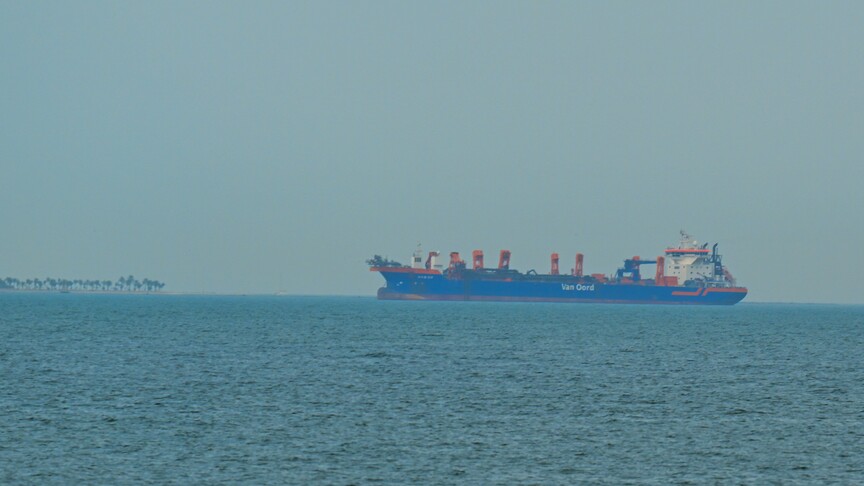
On August 8, 2026, the Abu Dhabi National Oil Company (ADNOC) reported that one of its vessels was struck by a missile in the Strait of Hormuz. This high-stakes incident underscores the ongoing tension in a region that plays a critical role in global energy supplies.
Details of the Incident
According to the official news agency of the United Arab Emirates (WAM), the missile strike occurred during the early hours of Saturday. Fortunately, ADNOC confirmed that there were no injuries as a result of the attack, and the situation was swiftly controlled by the company’s response teams. This incident adds to an already complex geopolitical atmosphere in the Strait of Hormuz, a vital corridor for oil transportation.
Response and Recovery Efforts
Following the missile strike, reports emerged from Iran’s semi-official Fars News Agency, suggesting that a vessel, presumed to be an oil tanker, had caught fire in the southern corridor of the strait. Satellite monitoring indicated that an oil-spill response and firefighting vessel, identified as ADNOC AR01, was promptly dispatched to the location. The presence of this firefighting vessel highlights the urgency and seriousness with which ADNOC treats such incidents, ensuring not only the safety of its assets but also the environmental protection of this crucial waterway.
Geopolitical Implications
The Strait of Hormuz is a significant passageway through which nearly a fifth of the world’s oil supply is transported. Given this context, any attack on maritime vessels can have broader implications, escalating tensions between regional powers and impacting global oil prices. The missile strike on ADNOC’s vessel raises concerns about maritime security and the necessity for enhanced protective measures in this strategic region.
Conclusion
The missile strike on an ADNOC vessel serves as a stark reminder of the vulnerabilities faced by oil companies operating in high-risk areas. While the immediate situation has been addressed without injury or further calamity, the incident reflects the precarious nature of global energy transportation. Stakeholders in the oil industry must remain vigilant and proactive in their efforts to ensure the security of operational environments, given the unpredictable nature of geopolitical tensions in the region. The ongoing developments warrant close monitoring, as they may influence energy markets and international relations in the months to come.