
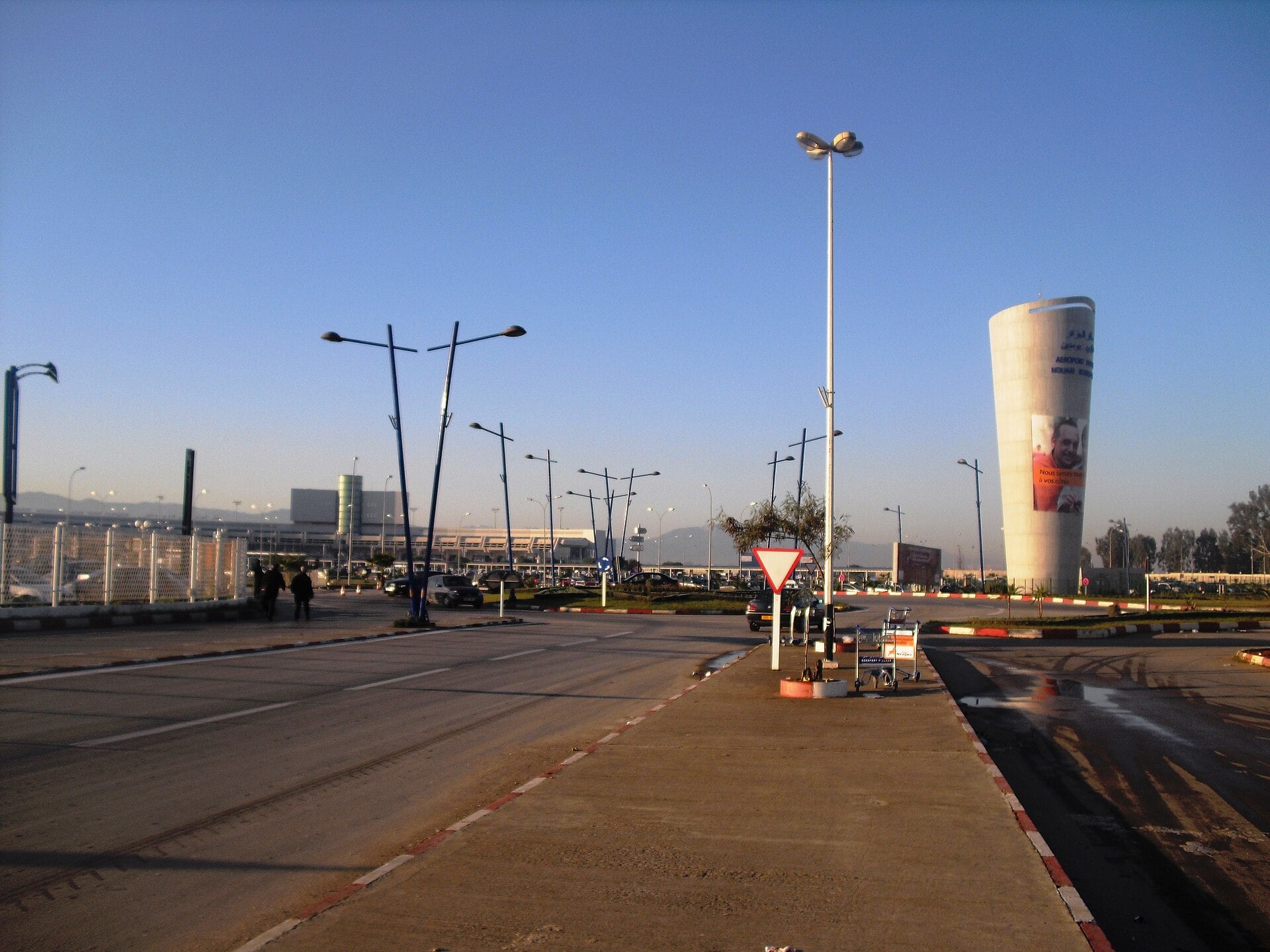
At midnight on September 11, 2026, Algeria made a significant move by closing its airspace to all civilian and military aircraft registered in the United Arab Emirates (UAE). Although the announcement may appear substantial, its actual impact on commercial aviation appears minimal. The UAE airline that previously operated flights to Algiers had ceased operations months earlier, rendering this action more of a symbolic diplomatic statement than a practical disruption.
Background of the Airspace Closure
The decision to close airspace does not stem from immediate events but rather marks a culmination of tensions that began earlier in the year. In February 2026, Algeria’s General Civil Aviation Authority notified the UAE that it was terminating a bilateral air services agreement signed in 2013. Such agreements are essential in international aviation, dictating routes, frequencies, and operational rights between countries. The Emirati airline Emirates had already indicated that its last flight to Algiers was scheduled for February 3, 2027, but actual service ended earlier, with the final flight recorded in March 2026. Consequently, when Algeria enacted this airspace closure, it effectively had no active commercial flights from the UAE to disrupt.
The Diplomatic Rhetoric
Algeria’s Ministry of Foreign Affairs announced the severing of diplomatic ties on September 10, citing “exhausting all means capable of preserving bilateral relations.” While the severity of the statement was clear, it lacked specific incidents or facts to substantiate the claims. President Abdelmadjid Tebboune has previously characterized the UAE’s influence in the region negatively, indicating long-standing tensions related to North Africa and the Sahel.
In contrast, the UAE’s response was notably restrained, expressing hope that the situation would be temporary and affirming the importance of maintaining fraternal ties between the two nations. This juxtaposition of reactions highlights the complexities of international relations, where strong rhetoric can often accompany significant diplomatic actions.
The Role of Airspace in Modern Diplomacy
Using airspace closures as a diplomatic tool has become increasingly common, given its immediate visibility and low cost. Such actions can serve as powerful statements of intent without requiring external approvals. A parallel can be drawn to Russia’s 2022 closure of its airspace to European carriers, which resulted in dramatically longer flight paths and increased operational costs for airlines, affecting routes as far as Asia.
In Algeria’s case, although it shares some strategic routes with Europe and West Africa, the effect of this closure will likely be limited due to the minimal UAE-registered traffic in that corridor. However, what stands out is the allowance for commercial flights into Algiers to continue until the end of 2026, suggesting that underlying obligations or arrangements still hold significant value for Algeria.
Algeria’s decision may have been motivated more by diplomatic messaging than by immediate economic consequences. The nuances behind this gesture illustrate a complex landscape of international relations where actions often carry hidden implications and commitments.
This airspace closure serves as a stark reminder of how aviation is intertwined with diplomacy. It reflects not only the current geopolitical climate but also the ongoing complexities of interactions between nations. In the end, while the immediate effects may be modest, the long-term implications of such decisions can resonate far beyond the realms of commercial aviation.