
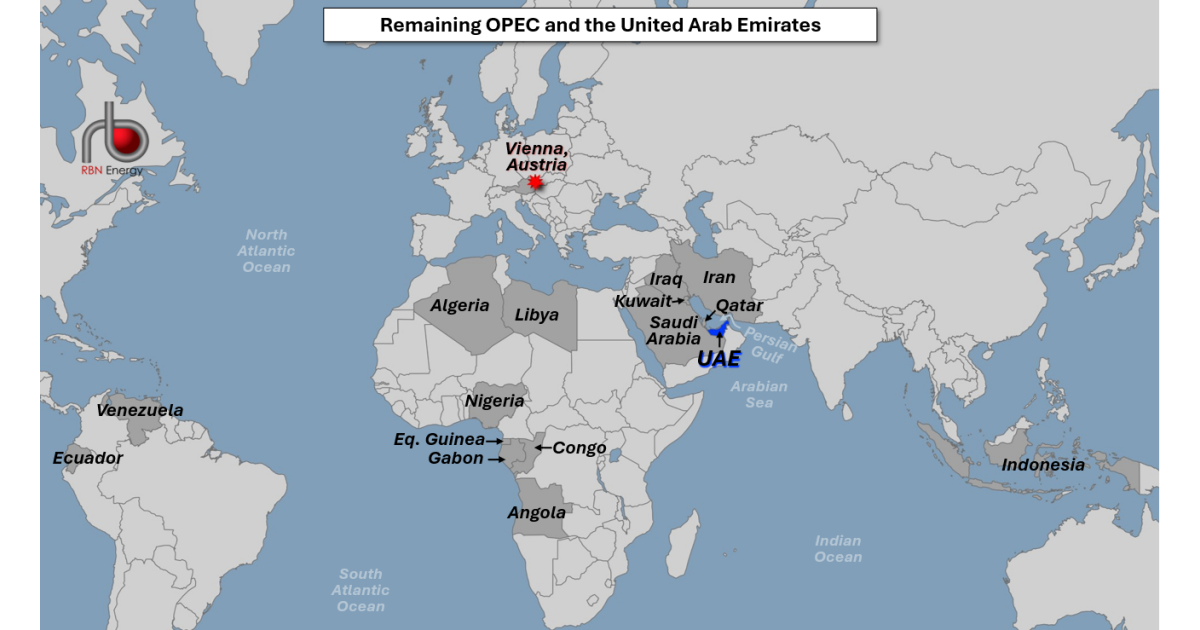
The oil market has witnessed significant fluctuations this year, but the recent move by the United Arab Emirates (UAE) to withdraw from the Organization of the Petroleum Exporting Countries (OPEC) has sent shockwaves across the industry. In this discussion, we will explore the reasons behind the UAE’s decision and its potential effects on the global oil landscape as well as U.S. oil producers.
Reasons Behind the UAE’s Withdrawal
The UAE’s exit from OPEC is an indication of shifting priorities and a desire for increased autonomy in its oil production strategy. As one of the major oil-producing nations, the UAE has been striving to maintain its market share in an increasingly competitive environment. By stepping away from OPEC, the UAE aims to implement a more flexible approach to oil production, allowing it to respond to market demands swiftly and strategically.
Moreover, ongoing tensions within OPEC regarding production quotas have created a challenging dynamic for member states. The UAE has often disagreed with other members about capacity limits and production increases. By leaving the organization, the UAE hopes to eliminate these constraints, enabling it to capitalize on opportunities in both regional and global markets.
Implications for the Global Oil Market
The UAE’s exit from OPEC could have far-reaching implications for global oil prices and supply dynamics. Removing a significant player from the group may lead to adjustments in production levels, potentially causing increased volatility in the market. With the UAE now free from the organization’s limitations, its production levels could rise, adding more oil to the market. This influx might temporarily lower prices, affecting both consumers and producers worldwide.
Furthermore, as the UAE pursues its independent agenda, it could redefine relationships with other oil-exporting nations. Countries that remain in OPEC may seek to compensate for the loss of UAE oil, and tensions may arise as different nations try to balance their own production goals. This scenario could lead to a fragmented global oil market where collaboration becomes more challenging, potentially complicating efforts to stabilize prices.
Impact on U.S. Oil Producers
The implications of the UAE’s exit are particularly significant for U.S. oil producers. As the U.S. has ramped up its production capabilities in recent years, the ability of OPEC and non-OPEC countries like the UAE to coordinate output decisions has been vital in influencing global oil prices. An increase in UAE production could mean increased competition for U.S. oil exporters, potentially squeezing profit margins.
On the other hand, should the UAE’s withdrawal lead to lower oil prices, U.S. consumers may benefit in the short term. Cheap oil translates to lower gasoline prices, which can stimulate economic activity. However, if U.S. producers are forced to cut production due to reduced prices, it may lead to a slowdown in domestic investment and job creation in the energy sector.
In conclusion, the UAE’s decision to leave OPEC is a pivotal moment that could reshape the global oil market. As the nation pursues a more independent approach to its oil production strategy, the resulting changes may create new dynamics in pricing and supply. U.S. oil producers, while facing both challenges and opportunities, will need to navigate this evolving landscape with caution and strategic foresight. Ultimately, only time will reveal the long-term consequences of this withdrawal for the global economy.