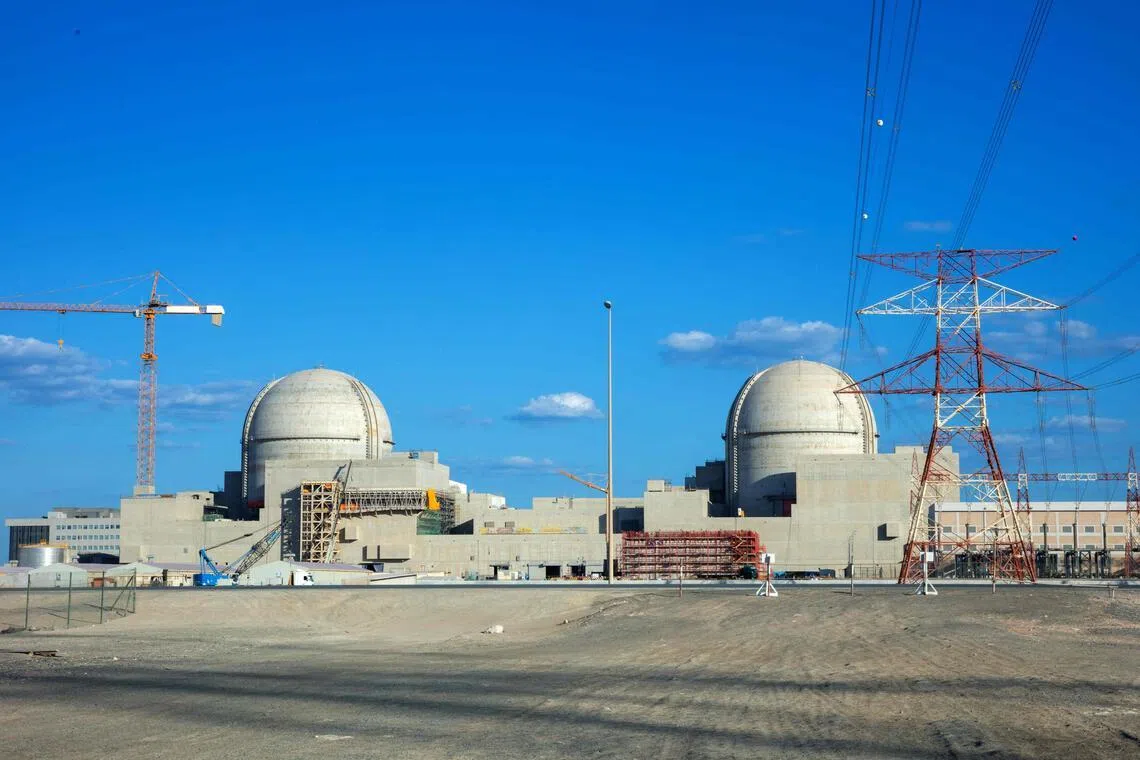
On June 2, Rafael Grossi, the head of the International Atomic Energy Agency (IAEA), revealed the alarming nature of a targeted drone assault on the UAE’s nuclear facility. This incident raises critical questions about nuclear safety and regional security.
The Drone Attack on the Nuclear Plant
On May 17, the nuclear facility at Barakah suffered a drone attack aimed at its electricity section, which posed a significant risk of a shutdown. Grossi described the situation as “serious,” emphasizing that the precision of the operation indicated the attackers had a clear intent and understanding of the plant’s operational structure. The UAE government attributed the perpetration of this attack to militant forces in Iraq, which followed escalating hostilities involving Iranian drones and missiles in the region. The implications of this assault extend beyond immediate safety concerns, highlighting vulnerabilities in nuclear infrastructure amid geopolitical tensions in the Middle East.
Response and Concerns
Grossi underscored the swift actions taken by Emirati professionals, which averted a potential crisis. However, he noted that the attack had the potential to compromise the reactor’s full functionality due to loss of external power. He remarked that the strategic targeting revealed an unsettling level of sophistication in the attackers’ approach. The IAEA head is also interacting with Gulf neighbors, emphasizing their need for reassurance in light of this incident. He expressed that multiple countries in the region harbor serious concerns about their safety, and hence he is engaging in discussions spanning Kuwait, Qatar, and Saudi Arabia.
Future Implications for Nuclear Safety
In the aftermath of the attack, Grossi announced plans to convene a special IAEA board meeting to address these troubling developments and provide technical assistance to the UAE. He articulated the “worst-case scenario” could arise from a direct strike on Barakah or Iran’s Bushehr facility, possibly leading to radioactive leakage. The necessity for emergency power generation to maintain safety functions illustrates the critical nature of reliable energy sources for nuclear sites. Although reaching a meltdown would require significantly more disruption, the risks associated with power outages are serious.
International Perspectives on Nuclear Security
The seriousness of the matter is echoed by Hamad Al Kaabi, deputy chairman of the Federal Authority for Nuclear Regulation in the UAE. He remarked that Grossi’s visit signifies a global stance against any assault on nuclear facilities. Barakah, fully operational since 2024, is deemed essential for the energy landscape of the UAE. The discussions surrounding future nuclear ventures hinge upon the successes demonstrated by the Barakah plant, reassuring stakeholders that such facilities can be maintained securely.
In summary, the drone attack on the UAE’s nuclear plant has triggered significant alarm over nuclear safety and regional security. As detailed analysis and international discussions continue, it remains imperative that the UAE enhances its security protocols to mitigate the risks posed by hostile entities. The implications for regional stability and energy infrastructure are profound, laying the groundwork for future diplomatic and safety-oriented initiatives crucial in safeguarding nuclear facilities.